The International Criminal Court (ICC) has initiated disciplinary proceedings involving its Prosecutor, Karim Khan. On June 8, 2026, the Court’s Bureau released a formal decision regarding the outcome of these proceedings, marking a significant development for the institution based in The Hague. As an international body governed by the Rome Statute, the ICC serves as a court of last resort, investigating individuals charged with the most serious crimes of international concern, including genocide, war crimes, crimes against humanity, and the crime of aggression, as detailed in the official records of the International Criminal Court.
The status of the Prosecutor remains a subject of intense scrutiny as the Court balances its mandate to pursue justice with the necessity of maintaining internal integrity. The ICC functions as a complement to national judicial systems, and its operations are overseen by the Assembly of States Parties, which acts as the Court’s management and legislative body. This oversight framework is essential to the Court’s function, ensuring that the institution remains accountable to the states that have ratified the Rome Statute, according to the ICC’s public documentation.
The Role of the Assembly of States Parties
The management of the Court is complex, involving various organs that ensure the continuity of investigations and trials. While the Prosecutor leads the investigation of cases, the Bureau and the Assembly of States Parties provide the necessary administrative and legislative framework. As of June 2026, the Court continues to manage a wide array of responsibilities, ranging from the administration of the Trust Fund for Victims to the oversight of ongoing trials, such as the case involving Rodrigo Duterte, which is scheduled to open on November 30, 2026, as noted in the Court’s recent news updates.

These developments occur within a broader context of international diplomacy. For example, the Court recently welcomed the decision of Hungary to remain a State Party to the Rome Statute, a move supported by the Presidency of the Assembly of States Parties in late May 2026. Such engagement reflects the ongoing efforts by various nations to uphold their commitments to international justice, even as the Court addresses internal challenges concerning its leadership and procedural conduct.
Maintaining Institutional Integrity
For observers of international law, the current disciplinary focus underscores the importance of the internal mechanisms designed to address allegations of misconduct within the Court. Because the ICC acts as a global arbiter for the most severe crimes, the perceived impartiality and ethical standing of its personnel are critical to its legitimacy. The Bureau’s recent decision, published on June 8, 2026, serves as a formal entry in the Court’s history of managing its internal governance, as documented by the International Criminal Court.
The Court’s work continues across multiple fronts. Beyond the procedural matters involving the Prosecutor, the institution maintains its focus on supporting survivors of violence. Recent contributions from countries like Slovenia and Portugal to the Trust Fund for Victims highlight the international community’s ongoing commitment to the Court’s reparative mandate. These voluntary contributions are vital for the implementation of court-ordered reparations, which remain a cornerstone of the ICC’s mission to provide justice to those affected by conflict and systemic atrocities.
Looking Ahead: The Path for the ICC
As the legal community monitors these events, the focus remains on how the Court will navigate its administrative responsibilities while continuing its judicial proceedings. With 34 active cases and 13 investigations currently on its docket, the ICC’s capacity to function effectively is a matter of global importance. The upcoming trial in the Duterte case in November represents a critical milestone for the Office of the Prosecutor and the Court at large, serving as a test of the institution’s resilience in the face of both external pressures and internal reviews.
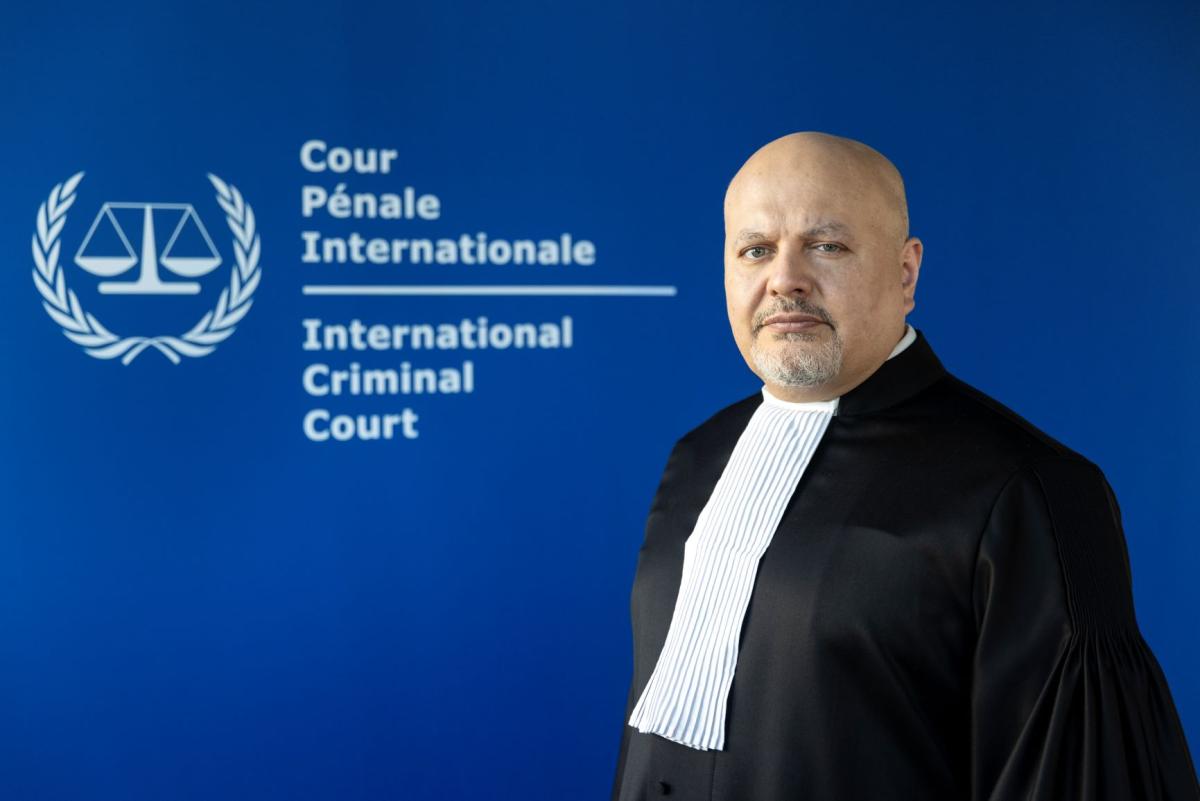
The Court has not indicated any shift in its broader strategic goals following the June 8 decision. Stakeholders and observers are encouraged to follow official announcements through the International Criminal Court website, which remains the primary source for updates on disciplinary outcomes, trial schedules, and the Court’s ongoing efforts to uphold the Rome Statute. We will continue to track these developments as more information becomes available through official channels. Please share your perspectives or questions in the comments below.