
At the Delaney Hall detention center in Newark, New Jersey, a quiet but significant labor standoff is testing the operational model of one of the nation’s largest private prison contractors. For over two weeks, individuals held in the facility—which operates under the oversight of U.S. Immigration and Customs Enforcement (ICE)—have engaged in a coordinated work stoppage and hunger strike. The action, which began in late May, represents a direct challenge to the internal labor practices that keep the facility functioning, with participants demanding improved case reviews, direct communication with state leadership, and their release.
The facility, operated by The GEO Group, relies on a “voluntary work program” to maintain daily operations such as sanitation, food preparation, and laundry services. However, the current labor action has highlighted a growing tension between these for-profit operational requirements and the rights of those detained within the system. As the strike continues, the facility’s reliance on this labor pool has come under intense scrutiny from labor unions, legal advocates, and human rights organizations, raising broader questions about the ethics of labor in detention environments.
The GEO Group, a publicly traded real estate investment trust that manages correctional and detention facilities, has faced consistent criticism regarding its labor programs. According to the company’s own 2023 annual report filed with the U.S. Securities and Exchange Commission, the firm provides a range of services for federal and state agencies, emphasizing its role in managing both secure and community-based facilities. Yet, the specific conditions at Delaney Hall—where detained individuals report performing essential facility maintenance for minimal compensation—have become a focal point for activists who argue that such programs are coercive by design.
The Economics of Detention Labor
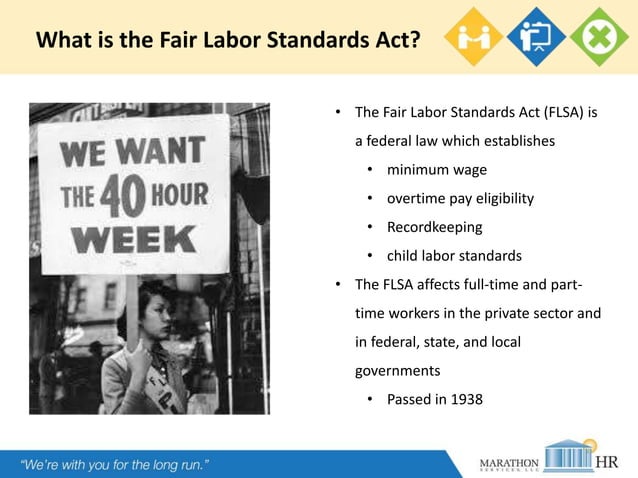
The structure of the work program at facilities like Delaney Hall is rooted in federal policies that have remained largely static for decades. Under current U.S. Law, the Fair Labor Standards Act (FLSA) generally does not extend federal minimum wage protections to those held in immigration detention. This legal framework allows for the compensation rates often cited by critics, which can be as low as one dollar per day for various work assignments. These rates are often compared to historical standards, such as those established for prisoners of war, rather than contemporary labor market benchmarks.

For GEO Group and other private operators, this labor model is integral to facility management. When detainees refuse to work, the administrative burden on the facility increases significantly. Reports from organizers on the ground suggest that the absence of regular cleaning and kitchen staff has led to deteriorating conditions within the center. While the company maintains that its operations are subject to rigorous oversight by ICE and adhere to established detention standards, the current impasse suggests that the facility is struggling to maintain its customary service levels without the participation of the detained population.
Legal experts following the situation note that the current strike is part of a larger trend of litigation across the United States. According to records from the U.S. District Court for the District of New Jersey, there have been multiple ongoing legal challenges regarding the classification of detention labor. These cases often hinge on whether the work performed is truly voluntary or if the threat of disciplinary action—such as isolation or the loss of privileges—creates an environment of compelled service.
Union Solidarity and External Pressure
The strike at Delaney Hall has gained momentum through the involvement of various labor unions and advocacy groups, including the American Federation of Teachers and the International Brotherhood of Teamsters. These groups have organized vigils and protests near the facility, aiming to draw public attention to the intersection of labor rights and immigration detention. For these organizations, the fight is not merely local; It’s viewed as an extension of broader efforts to challenge the influence of private equity and corporate contractors in the public sector.
Isaac Jimenez, an organizer representing administrative workers, has emphasized that the coalition supporting the strikers is focused on long-term policy shifts, including the push for sanctuary status at academic institutions and broader reforms to the immigration system. The strategy involves leveraging public pressure on elected officials, such as New Jersey Governor Phil Murphy, to intervene in the management of state-contracted facilities. On June 13, the state of New Jersey announced a significant increase in funding for legal services for detainees, an action that activists have interpreted as a direct response to the mounting pressure from the hunger and labor strike.
This development, while separate from the direct demands of the strikers regarding their labor conditions, represents a critical shift in the state’s approach to the population at Delaney Hall. The $12 million allocated for legal aid is intended to provide representation to low-income individuals, which legal advocates argue is a necessary step toward ensuring due process and potentially reducing the length of time individuals spend in detention.
What Happens Next?
As the standoff continues, the primary point of contention remains the sustainability of the facility’s current operational model. With the strike now entering its third week, the attention of both the public and state regulators is firmly fixed on the conditions inside the Newark facility. The GEO Group has remained largely silent on the specifics of the strike, reiterating in brief statements that its services are monitored by federal agencies to ensure contract compliance.
For those watching this situation, the next key milestones will likely involve:
- Direct Negotiations: Potential meetings between representatives of the detainees and state officials regarding the specific grievances raised in the “We Demand Freedom” letter.
- Legal Filings: Further updates in the ongoing class-action lawsuits currently pending in federal courts that address the legality of the “voluntary” work programs in detention centers.
- Regulatory Oversight: Increased scrutiny from the Department of Homeland Security’s Office of Inspector General regarding the facility’s adherence to performance-based national detention standards during the strike period.
The situation at Delaney Hall underscores a persistent, systemic tension in the American immigration system. Whether this strike results in a permanent shift in labor policy or remains a localized protest, it has forced a national conversation about the role of private companies in the detention of migrants and the fundamental rights of those held within that system.
The World Today Journal will continue to monitor the situation at Delaney Hall as new information becomes available. We invite our readers to share their perspectives on the intersection of labor policy and immigration detention in the comments section below.