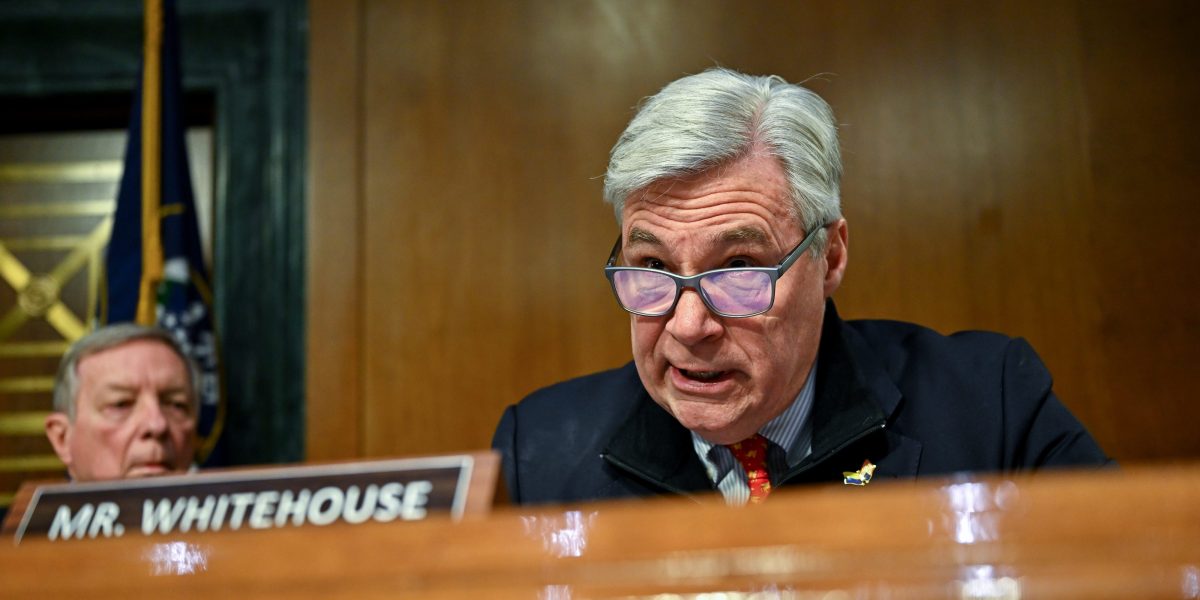
Senator Sheldon Whitehouse, D-R.I., has formally requested that Homeland Security Secretary Markwayne Mullin provide evidence that U.S. Immigration and Customs Enforcement (ICE) has not been infiltrated by violent extremists. In a letter dated Wednesday, the senator urged the department to disavow past recruitment strategies and clarify the vetting processes currently in place to prevent the hiring of individuals with ties to extremist organizations.
The request follows a March bulletin issued by the Colorado Information Analysis Center, which warned that certain DHS recruitment materials—specifically those utilizing language identified as popular within neo-Nazi circles—could potentially radicalize applicants or encourage white supremacists to join the federal workforce. According to the bulletin, these recruitment efforts have spurred online discussions among extremist groups regarding the prospect of enlisting in ICE to further ideological goals.
Origins of the Congressional Inquiry
The controversy centers on a series of social media recruitment posts published under the tenure of former DHS Secretary Kristi Noem. Law enforcement analysts have noted that these advertisements frequently mirrored the rhetoric, memes, and tropes often associated with white nationalist discourse. Senator Whitehouse previously initiated inquiries into these materials on Feb. 23, seeking information on who authorized the content and whether the department had established sufficient safeguards to screen for extremist affiliations.
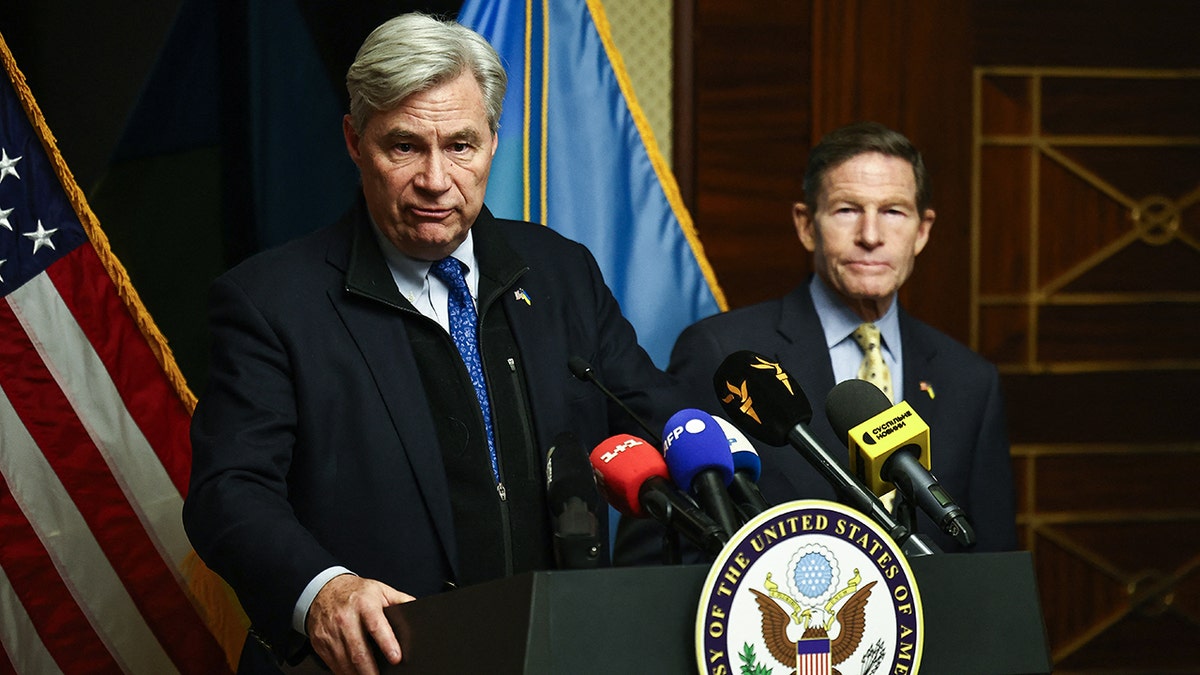
The Department of Homeland Security has maintained that these criticisms are unfounded. In a statement provided to the press, a DHS spokesperson characterized the concerns raised by Senator Whitehouse and the Colorado Information Analysis Center as an attempt to “weaponize official law enforcement bulletins to promote dangerous anti-ICE conspiracy theories.” The agency further argued that equating recruitment drives to extremist rhetoric undermines the work of federal officers.
Departmental Response and Leadership Shifts
The current DHS leadership has faced repeated questioning regarding these recruitment tactics. During a June 3 hearing, Representative Shri Thanedar, D-Mich., challenged Secretary Mullin on the department’s social media presence, citing the findings from the Colorado fusion center report. Secretary Mullin dismissed the concerns as lacking factual basis, stating, “There is no facts,” and suggesting that the use of terms like “nationalism” in political discourse contributes to the hostility directed toward federal personnel.
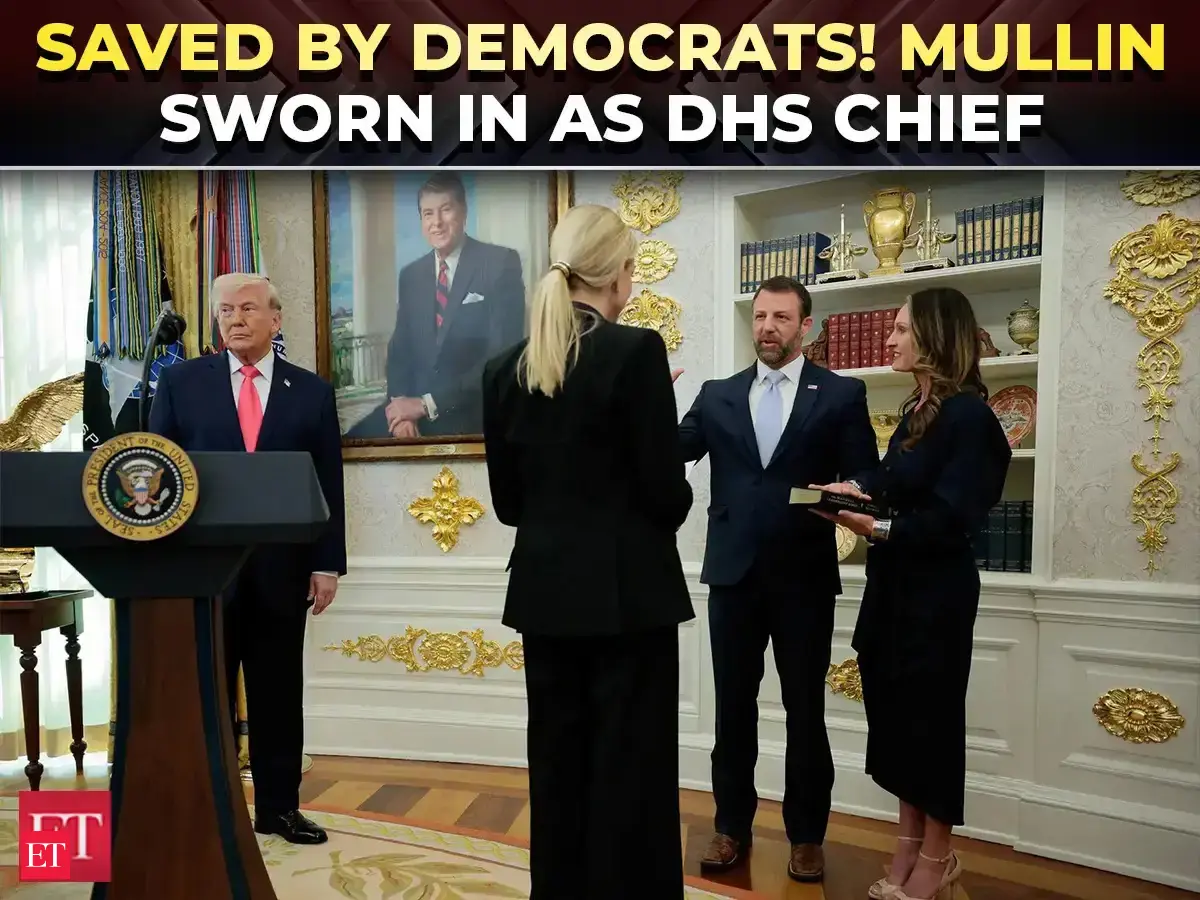
Since his confirmation, Secretary Mullin has implemented administrative changes that appear to move the department away from the strategies employed during the Noem administration. These adjustments include a reduction in the volume of provocative social media posts and the reversal of a policy that had lowered training standards for new ICE officers. Despite these shifts, Senator Whitehouse continues to push for transparency regarding the individuals responsible for the previous recruitment campaign and the current vetting protocols.
Broader Context of Extremism in Law Enforcement
The concerns raised by Senator Whitehouse reflect a long-standing debate regarding the presence of extremist ideologies within public safety institutions. The March bulletin from the Colorado Information Analysis Center specifically highlighted online claims by white supremacists suggesting that members of their organizations had already secured positions within ICE-contracted detention facilities. Such reports have intensified the call for rigorous background checks and oversight of federal hiring practices.
The figures involved in the prior administration’s policies have largely exited the public sphere or shifted roles. Kristi Noem, who served as DHS Secretary during the period when the controversial posts were published, has since transitioned to a position as special envoy for the “Shield of the Americas” program. Former U.S. Border Patrol official Greg Bovino, who was a prominent figure in mass deportation efforts, has remained active in public discourse, notably appearing at a “remigration” conference in Portugal. In a recorded interview conducted prior to that event, Bovino expressed admiration for Nazi general Erwin Rommel, describing him as an individual who “captured the imagination of the public.”
Future Oversight and Accountability
Senator Whitehouse has indicated that his office is still seeking a comprehensive response to the questions initially posed to the department in February. As of this week, the senator is pressing for a clear audit of the authorization process for the past recruitment campaign and a concrete explanation of how the department ensures that no agents with histories of violent extremism are currently employed. No further hearings have been scheduled at this time, though the senator’s letter serves as an ongoing demand for official documentation.
Federal oversight of the Department of Homeland Security remains a focal point for lawmakers concerned with the integrity of the agency’s workforce. As the department moves forward under new leadership, the tension between maintaining robust recruitment numbers and ensuring the ideological neutrality of personnel is expected to remain a significant subject of legislative review.
Keep reading