Iceland’s national tourism board, Visit Iceland, has concluded a lighthearted search for the “world’s worst photographer” as part of a strategic marketing campaign designed to encourage more mindful, authentic travel. The initiative, which generated significant international attention, sought to contrast the polished, often digitally altered images common on social media with the raw, unscripted reality of travel in Iceland, according to official statements from the tourism body.
The campaign, titled “OutHorse Your Email” in previous iterations, has consistently utilized humor to address modern travel habits. By inviting tourists to capture “bad” photos—blurry, poorly composed, or unintentionally humorous shots—the board aimed to reduce the pressure on visitors to create perfect content. This approach aligns with broader industry efforts to promote sustainable tourism practices by encouraging travelers to engage with their surroundings rather than focusing exclusively on their screens, a trend monitored by the United Nations World Tourism Organization.
The Strategy Behind the Campaign
The search for the world’s worst photographer was not merely a social media stunt but a calculated effort to shift the narrative around Icelandic tourism. According to Visit Iceland, the goal was to highlight the accessibility and natural beauty of the country without the barrier of perfectionism. By celebrating amateur photography, the organization sought to lower the barrier for entry for those who feel intimidated by the high standards of professional travel influencers.
This initiative follows a pattern of creative marketing from the Icelandic tourism sector. In recent years, the country has faced the challenge of balancing high visitor numbers with the need to protect fragile ecosystems. By encouraging a more relaxed style of documentation, the board hopes to influence visitor behavior toward more spontaneous, less curated experiences. Data from the Icelandic Tourist Board indicates that managing visitor expectations and dispersing tourism across the country remains a key priority for the national economy.
Why Authentic Imagery Matters in Tourism
In the digital age, the “Instagrammability” of a destination often dictates travel patterns, leading to overcrowding at iconic locations. By promoting the “worst” photos, Iceland is attempting to decentralize the importance of specific “perfect” shots. This movement toward authenticity is recognized by tourism experts as a way to mitigate the negative impacts of over-tourism, as noted in reports by the OECD’s Committee on Tourism.
The campaign successfully leveraged social media platforms to reach a global audience, moving away from traditional, high-budget advertising. Participants were encouraged to share their most unflattering or poorly framed photos taken in Iceland, with the tourism board providing lighthearted feedback. This interaction serves to humanize the destination, presenting Iceland as a place where the experience itself is more valuable than the photographic evidence shared online.
What Happens Next for Icelandic Tourism
As the campaign concludes, the focus for Icelandic officials shifts to the upcoming winter season and the ongoing management of infrastructure. The tourism board continues to emphasize the “Icelandic Pledge,” a commitment to responsible travel that asks visitors to respect the environment and local communities. Travelers interested in the latest updates or official travel advisories can monitor the SafeTravel Iceland portal, which provides real-time information on weather conditions and road safety, critical factors for anyone planning a visit to the island.
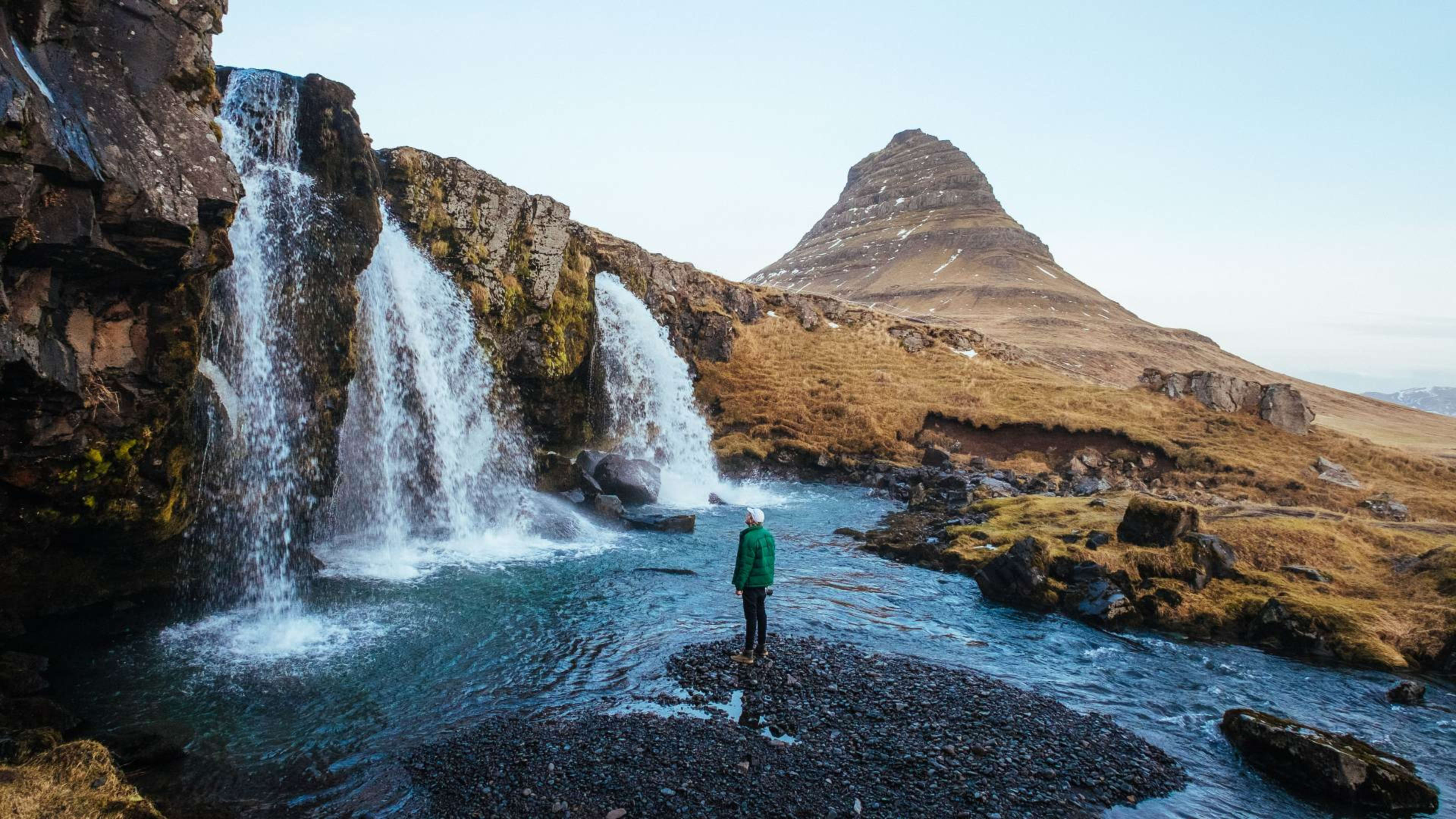
The success of this campaign may influence how other nations approach their own tourism marketing in the coming year. As global travel continues to rebound, the demand for authentic, sustainable, and less performative tourism is expected to grow. Whether this trend will lead to a permanent shift in how destinations are promoted remains to be seen, but for now, Iceland continues to position itself as a pioneer in unconventional, human-centric marketing.
We invite readers to share their thoughts on the evolution of travel marketing and the role of social media in shaping our perceptions of global destinations. Join the conversation in the comments section below.