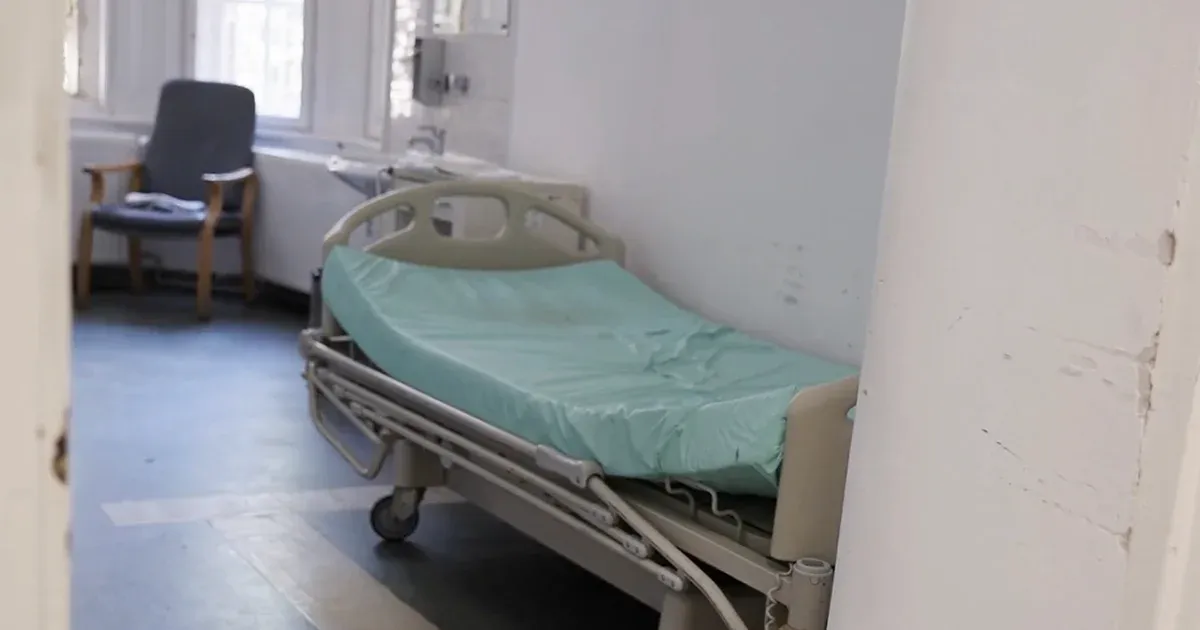
Recent investigations into the psychiatric ward at Szent János Hospital in Budapest have identified significant concerns regarding patient care and facility conditions. Allegations include inadequate staffing levels and substandard hygiene within the ward, raising questions about the quality of mental health services provided in the Hungarian capital.
Reports concerning the facility have detailed a series of distressing conditions that allegedly compromise the well-being of patients under psychiatric care. The concerns primarily focus on the physical environment of the ward, the availability of essential hygiene supplies, and the capacity of the medical staff to meet the intensive needs of those admitted.
While the hospital has historically served as a major medical hub for the Budapest metropolitan area, these new allegations suggest a breakdown in the standard of care expected in specialized mental health units. The situation has drawn attention to the systemic pressures facing the Hungarian healthcare system, particularly within the psychiatric sector.
What specific issues were identified at the Szent János psychiatric ward?
The allegations brought forward regarding the Szent János Hospital psychiatric department center on the daily living conditions of patients. According to reported accounts, the ward has struggled with maintaining basic sanitary standards, which are critical for patients in a vulnerable mental state. Specific complaints include inadequate cleanliness in common areas and patient rooms, as well as a lack of consistent access to personal hygiene necessities.
Beyond hygiene, the physical infrastructure of the ward has come under scrutiny. Observers have noted that the environment does not always meet the therapeutic standards required for psychiatric recovery. This includes concerns regarding the layout of the facility and whether the environment provides the necessary level of safety and comfort for individuals experiencing acute mental health crises.
Staffing levels have also emerged as a critical point of contention. The reports suggest that the ratio of trained medical professionals to patients is insufficient to manage the ward effectively. In psychiatric care, staffing shortages can lead to delayed responses to patient needs and a diminished ability to monitor safety, which is a primary concern for hospital administrators and patient advocates alike.
What are the legal standards for psychiatric patient care in Hungary?
In Hungary, the rights and care standards for psychiatric patients are governed by national legislation, including the Act on the Rights of Patients. This legal framework mandates that medical facilities provide a safe, dignified, and hygienic environment. Furthermore, hospitals are required to ensure that patients receive appropriate medical attention and that their human rights are respected during treatment.
The standards for psychiatric wards are particularly stringent due to the nature of the care provided. Legal mandates require that:
- Safety Protocols: Facilities must implement rigorous safety measures to prevent self-harm or harm to others.
- Dignity in Care: Patients must be treated with respect, ensuring that even in restrictive settings, their basic human dignity is preserved.
- Hygiene and Nutrition: Hospitals are legally obligated to provide clean living quarters and adequate nutritional support.
- Professional Supervision: Adequate medical and nursing staff must be present to manage clinical risks.
When these standards are not met, patients or their legal representatives have the right to file complaints with the National Center for Patient Rights (Országos Betegjogi Hivatal). This body is responsible for investigating whether hospital protocols align with the statutory requirements for patient safety and dignity.
How does this situation reflect broader mental health challenges in Budapest?
The situation at Szent János Hospital is not an isolated incident but rather a symptom of wider structural issues within the Hungarian mental health system. For several years, healthcare experts have pointed to a chronic shortage of specialized staff, including psychiatric nurses and doctors, across the country. This shortage is driven by competitive salaries in the private sector and high levels of burnout within the public hospital system.
Furthermore, the Hungarian mental health landscape is currently undergoing a slow transition toward “deinstitutionalization.” This policy aims to move away from large, centralized hospital-based care toward community-based mental health services. However, the transition has been hampered by inconsistent funding and a lack of localized infrastructure, leaving existing large hospitals like Szent János to manage high patient volumes with outdated resources.
The impact of these systemic issues can be summarized as follows:
| Issue | Impact on Patients | Systemic Cause |
|---|---|---|
| Staffing Shortages | Reduced monitoring and slower response times. | Low public sector wages and high burnout. |
| Facility Decay | Substandard hygiene and therapeutic environments. | Underfunding of hospital infrastructure. |
| Overcrowding | Increased stress and diminished privacy. | Lack of community-based alternatives. |
What is the current status of hospital oversight?
Following the emergence of these reports, the focus has shifted to how regulatory bodies will respond. In Hungary, the oversight of hospital operations falls under the jurisdiction of the Ministry of Interior and the relevant health directorates. These agencies are responsible for conducting inspections when allegations of substandard care are made public.
An official investigation would typically involve an unannounced audit of the ward’s hygiene, staffing logs, and patient records. The goal of such an inspection is to determine if the hospital is in breach of the health regulations and whether immediate corrective actions are required to ensure patient safety. Until such an inspection is completed and the findings are released, the allegations remain part of an ongoing scrutiny of the facility’s management.
Hospital administration at Szent János has previously cited resource constraints as a challenge in maintaining all service levels, though the specific response to these latest allegations regarding the psychiatric ward is still being monitored. The ability of the hospital to rectify these issues will depend heavily on both administrative changes and increased budgetary support from the central government.
The next confirmed checkpoint regarding this matter will be the release of any official statement from the National Center for Patient Rights or the Hungarian health authorities following their review of the hospital’s compliance with care standards. We will continue to monitor for updates on any formal investigations or scheduled hearings regarding hospital oversight.
What are your thoughts on the state of mental health services in urban hospitals? Share your views in the comments below and share this article to raise awareness.
Worth a look
- Senate Panel Votes to Hold Anthony Fauci in Contempt: Rand Paul Seeks Prosecution
- Norfolk Police Respond to Thetford Residential Area as Third Night of Protests Begins
- Canter Warns Acting Attorney General Blanche May Weaponize Justice Department (newsdirectory3.com)
- Carson City Community and Economic Development Department Overview (archyde.com)