
Manuel Adorni, the government spokesperson for President Javier Milei, is facing increased political pressure from members of the ruling coalition’s PRO party following allegations regarding the origin of his cryptocurrency investments. Buenos Aires legislator Darío Nieto has publicly challenged the transparency of Adorni’s Bitcoin holdings, signaling a potential rift within the alliance supporting the Milei administration.
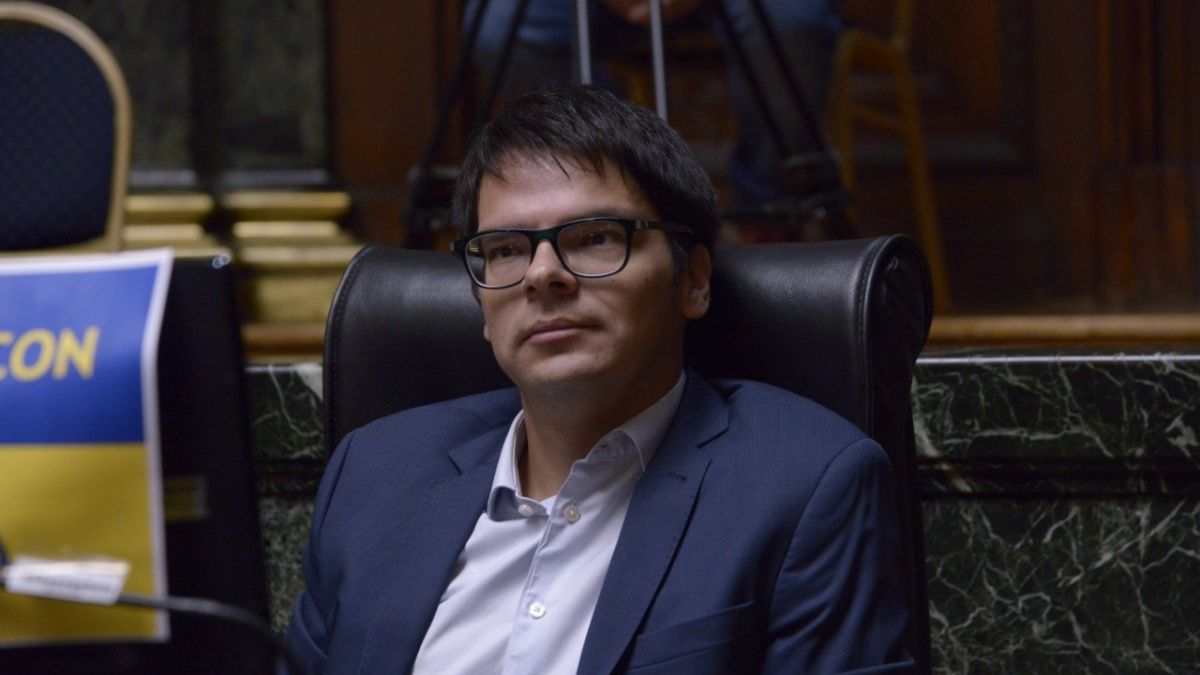
The controversy centers on questions raised by Nieto, a legislator from the PRO party in the Buenos Aires City Legislature, concerning the financial disclosures of the spokesperson. Nieto has contested the explanations provided by Adorni regarding how the official acquired his digital assets, suggesting that the current justifications may not sufficiently account for the source of the funds.
This development marks a significant moment of internal friction for the coalition. Although the PRO party remains a critical legislative partner for President Milei, the public questioning of a high-ranking administration official by a member of the same political bloc highlights growing tensions over governance and transparency standards.
What are the allegations against Manuel Adorni?
The scrutiny began when Darío Nieto, a prominent legislator for the PRO party, questioned the consistency of the information provided by Adorni regarding his Bitcoin investments. According to reports regarding the legislative discourse, Nieto has expressed skepticism toward the official version of events provided by the spokesperson, specifically focusing on the timeline and the economic origin of the cryptocurrency assets.
While Adorni has maintained that his investments are legitimate, Nieto has pushed for greater clarity. The legislator’s primary contention is that the disclosures made by the spokesperson do not align with the financial patterns expected of a public official in his position. The demand for a more detailed accounting of these assets is part of a broader push for fiscal transparency within the Argentine government.
As of this report, no formal legal charges have been filed, but the legislative questioning serves as a formal challenge to the spokesperson’s credibility. The controversy has placed Adorni in a position where he must reconcile his private financial activities with the high standards of public accountability demanded by his critics within the coalition.
How is the PRO party responding to the controversy?
The reaction within the PRO party has been characterized by a split between those seeking to maintain coalition unity and those demanding strict adherence to transparency protocols. The PRO party, which serves as a cornerstone of the political support for the Milei administration, is navigating a delicate balance between supporting the executive branch and fulfilling its role as a check on government conduct.

Legislator Nieto’s stance reflects a faction of the party that prioritizes the “anti-caste” rhetoric that helped propel the Milei administration to power. By questioning a government official’s finances, these lawmakers aim to demonstrate that the administration’s commitment to transparency applies to its own members. However, this approach risks destabilizing the legislative math required for the government to pass its economic reform packages.
Other members of the PRO have expressed caution, suggesting that public disputes over individual financial matters could distract from the administration’s broader economic agenda. The tension underscores a recurring theme in Argentine politics: the difficulty of maintaining a unified front when the ideological demands for transparency clash with the practicalities of coalition management.
Why does cryptocurrency transparency matter in Argentina?
The focus on Bitcoin and other digital assets is particularly sensitive in the Argentine context due to the country’s unique economic landscape. Argentina has one of the highest rates of cryptocurrency adoption in the world, driven largely by high inflation rates and a historical lack of trust in the national currency, the peso.

For public officials, the ownership of significant cryptocurrency holdings introduces specific regulatory and ethical complexities:
- Asset Disclosure: Officials are required to declare their assets to prevent illicit enrichment, and the volatile and often pseudonymous nature of cryptocurrency makes this oversight more challenging for regulators.
- Conflict of Interest: Given Argentina’s shifting regulatory stance on digital assets, officials with significant holdings could be perceived as having an interest in specific policy outcomes.
- Public Perception: In a climate where the government has campaigned on exposing corruption, any perceived lack of clarity regarding a spokesperson’s wealth can be used by political opponents to undermine the administration’s legitimacy.
The debate surrounding Adorni is not merely a personal matter for the spokesperson but a test case for how the Argentine state will monitor and regulate the intersection of digital wealth and public service.
Comparison: Transparency Standards for Argentine Officials
To understand the gravity of the claims made by Nieto, it is helpful to compare the expectations for digital asset disclosure against traditional financial assets for public officials in Argentina.
| Asset Type | Standard Disclosure Requirement | Primary Oversight Challenge |
|---|---|---|
| Real Estate & Property | Mandatory registry via national property records. | Verification of true ownership through shell companies. |
| Bank Accounts & Fiat Currency | Direct reporting through financial institutions. | Tracking offshore accounts and complex transfers. |
| Cryptocurrency (Bitcoin, etc.) | Required under recent transparency guidelines. | Anonymity of wallets and difficulty in tracing origin of funds. |
The difficulty in verifying the “origin” of Bitcoin, as Nieto has noted, stems from the inherent structure of blockchain technology, which allows for transactions that are difficult for traditional state auditors to link to specific income events without advanced forensic tools.
The next scheduled checkpoint in this matter will be the response from the administration’s ethics committee or any forthcoming legislative hearings in the Buenos Aires City Legislature where further details regarding the spokesperson’s financial filings may be examined. Stakeholders will be looking for an official statement from the Presidency regarding the internal handling of these allegations.
What are your thoughts on the intersection of cryptocurrency and political transparency? Share this article and join the conversation in the comments below.
Keep reading
- Europa Clipper Enroute to Jupiter on 1.8-Billion-Mile Journey
- Vogue World San Francisco: How Tech Bros Infiltrated the Fashion Zeitgeist
- Trump Denies US Munitions Shortages Amid Reports of Tense Cabinet Meeting (time.news)
- Elizabeth Warren Questions Changes to Fed’s Preferred PCE Inflation Gauge (news-usa.today)