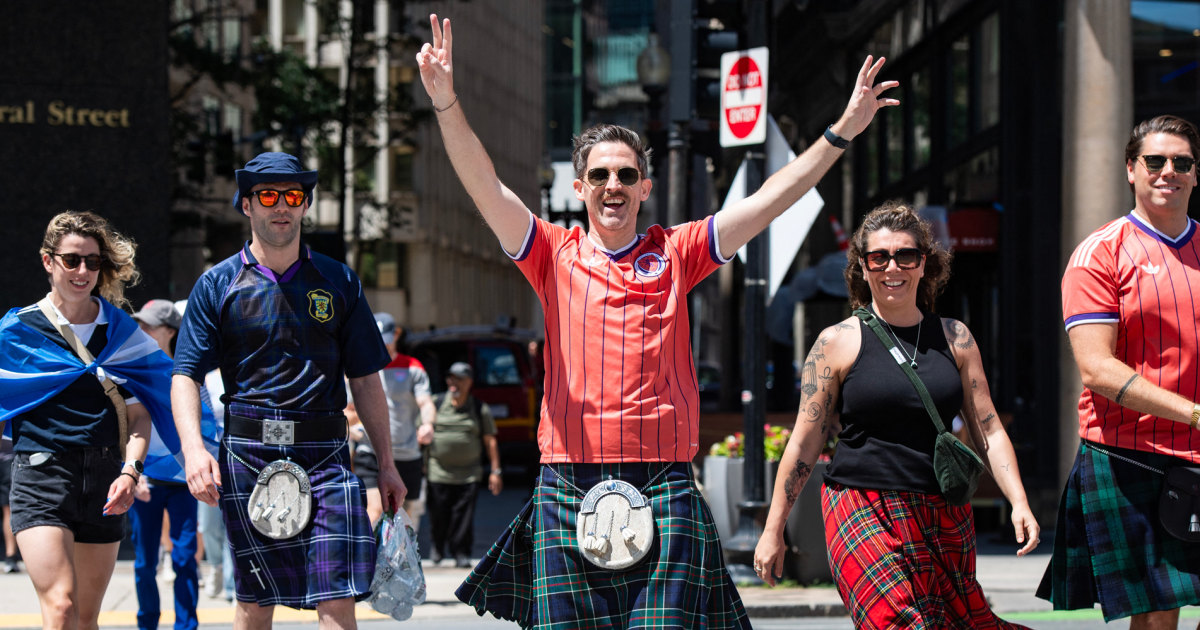
International fans traveling to major global football tournaments are increasingly shaping host nations’ cultural landscapes through elaborate displays of national identity. From the rhythmic chants of the “Viking Row” to the pervasive presence of national dress, these fan traditions have transformed local stadiums into global stages, creating moments that resonate far beyond the final whistle of a match.
The influx of international supporters creates a significant economic and cultural ripple effect in host cities. According to data from the FIFA World Cup 2022 final review, the tournament saw over 3.4 million spectators attend matches, underscoring the massive scale of fan movement and the associated cultural exchange. As fans from diverse backgrounds congregate, they introduce unique traditions—such as the synchronized rowing motions popularized by Icelandic supporters—which have become visual hallmarks of the modern fan experience.
The Evolution of Fan Culture
Fan identity at global tournaments is no longer defined solely by wearing a team jersey. It has evolved into a performative art form that blends heritage with modern stadium choreography. The “Viking Row,” characterized by fans sitting in unison and mimicking the rowing of a longship, gained international prominence during the UEFA Euro 2016 tournament and has since been adopted by various fan bases as a symbol of unity and collective strength. This shift toward highly choreographed, group-oriented displays represents a departure from the individualistic cheering styles of previous decades.

Beyond choreography, the use of traditional attire—often referred to as a “Tartan takeover” when Scottish fans travel in high volumes—serves as a visual marker of national pride. These displays are not merely aesthetic; they function as a form of “soft power,” allowing visiting nations to assert their cultural identity on a global platform. Research published by the Sport in Society journal suggests that these manifestations of identity are essential for fostering a sense of community among traveling supporters who often find themselves far from home in unfamiliar cultural environments.
Economic and Social Impact
The economic impact of these fan displays is substantial for host cities. When fans arrive in large numbers, they stimulate local tourism, hospitality, and retail sectors. As noted in the World Bank’s analysis of major sporting events, the surge in international visitors necessitates significant infrastructure investment and creates temporary employment opportunities, though the long-term economic benefits remain a subject of debate among fiscal policy experts.
The presence of “human statues”—fans who remain perfectly still in intricate, often humorous costumes for hours—has also become a frequent sight in fan zones. These performers, often self-funded, add a layer of street theater to the tournament experience. While these displays are grassroots in nature, they are frequently highlighted in official media broadcasts, effectively blending amateur fan expression with professional media coverage.
Looking Ahead to Future Tournaments
As the international football calendar shifts toward the 2026 World Cup, which will be hosted across Canada, Mexico, and the United States, organizers are preparing for a new wave of fan-driven cultural expressions. The official FIFA 2026 portal indicates that the expanded format will likely draw an even more diverse array of national identities to North American cities.
For local businesses and municipal planners, the challenge lies in balancing the enthusiasm of visiting fans with the logistical requirements of managing large, diverse crowds. As we look toward the next official FIFA council meeting regarding tournament logistics, the focus remains on ensuring that these cultural exchanges occur in a safe and inclusive environment. We invite our readers to share their own experiences of fan traditions in the comments below, as we continue to track how global sports continue to reshape our shared cultural narrative.