Philadelphia new Year’s Day Snow Squall: A Deep Dive into Road Safety & what You Need to Know
Did you know a seemingly quick burst of snow can create incredibly dangerous driving conditions? On January 1st, 2026, Philadelphia experienced precisely that – a potent snow squall that led to multiple crashes and critical injuries. This wasn’t just a dusting; it was a stark reminder of winter weather’s power. This article breaks down what happened, explains the science behind snow squalls, and, most importantly, provides actionable advice to keep you safe when these events strike.
the January 1st Squall: What Happened?
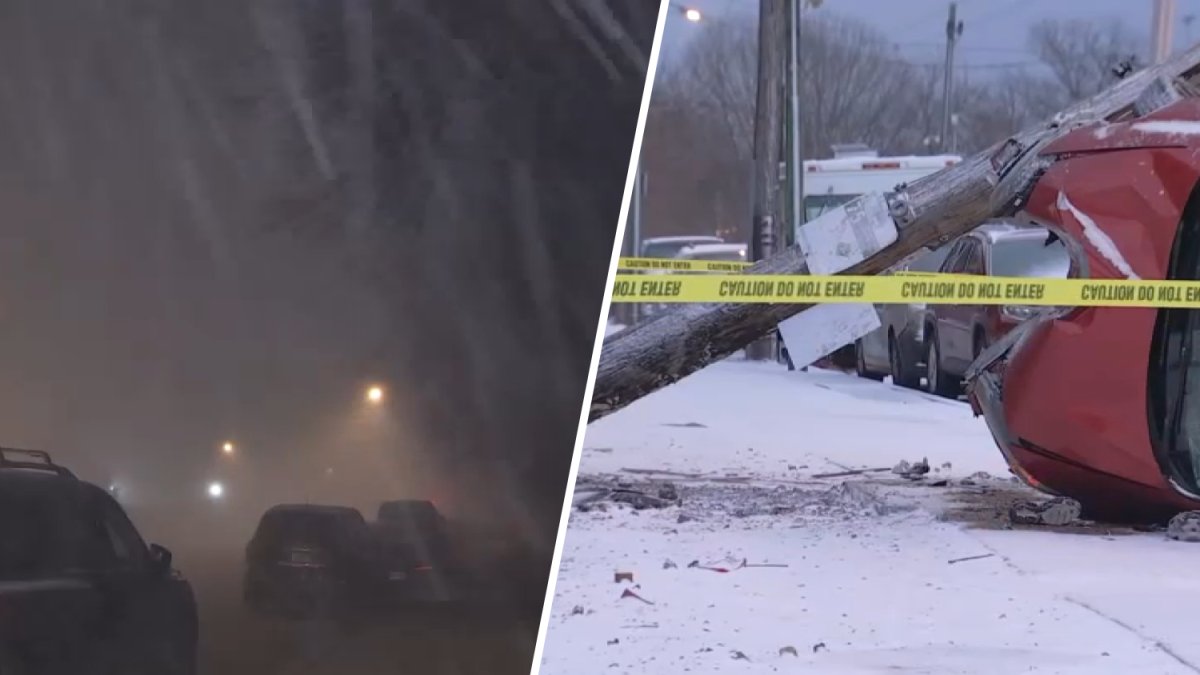
A fast-moving cold front swept thru the Philadelphia area around 5 a.m. on New Year’s Day, unleashing an intense snow squall. While brief, the impact was significant. Visibility plummeted, roads became treacherous, and emergency services responded to a series of accidents.
Here’s a breakdown of the incidents reported:
* G Street & East Wyoming Avenue: A 21-year-old driver lost control on icy roads, colliding with a utility pole. The driver and a female passenger were hospitalized in critical condition, while a 17-year-old passenger was stable.
* Bells Mill Road (Andorra): A driver crashed into the back of a truck due to slick conditions. Fortunately, no serious injuries were reported. NBC10 captured the incident firsthand.
* Aramingo Avenue (3100 block): Another crash occurred on an icy stretch of road around 11 a.m.
These incidents highlight the sudden and severe nature of the threat. The temperature remained below freezing throughout the day, with wind gusts up to 35 mph creating wind chills in the teens, exacerbating the hazardous conditions.
understanding Snow Squalls: beyond a Heavy Snowfall
Many people confuse snow squalls with typical snowstorms. Though, they are distinctly different and require a different level of preparedness. According to the National Weather Service (https://www.weather.gov/safety/winter-snow-squall), a snow squall is characterized by:
* Intense Snowfall: Moderate to heavy snowfall rates.
* Gusty Winds: Strong winds that significantly reduce visibility.
* Rapid Onset: Conditions deteriorate quickly, often within minutes.
* whiteout Conditions: near-zero visibility, making driving extremely dangerous.
Unlike lake-effect or nor’easter snowstorms that build gradually, snow squalls are explosive events.This rapid change is what makes them so dangerous, as drivers have little time to react. Recent research from the University of Michigan (December 2025) indicates that snow squall-related crashes are disproportionately severe, with a higher likelihood of injuries and fatalities due to the sudden loss of control.
Your Safety Checklist: Before, During, and After a Snow Squall
Knowing what to do can dramatically increase your safety. Here’s a step-by-step guide:
Before a Squall:
- Stay Informed: Download the NBC10 app (https://www.nbcphiladelphia.com/products/) and follow the NBC10 First Alert Weather team (https://www.nbcphiladelphia.com/weather/) for the latest forecasts and warnings. Sign up for local weather alerts on your smartphone.
- Check Road Conditions: Before any winter drive, check the Pennsylvania Department of Transportation (PennDOT) website (https://www.penndot.pa.gov/) for road closures and conditions.
- Prepare Your Vehicle: Ensure your car has snow tires, a full tank of gas, a winter emergency kit (see below), and a charged cell phone.
During a Squall:
- Pull Over: If a snow squall hits while you’re driving, instantly pull over to a safe location – away from traffic – and turn on your hazard lights. Do not attempt to drive through it.
- Increase following Distance: If you must drive, drastically increase your following distance. Assume bridges and
Worth a look