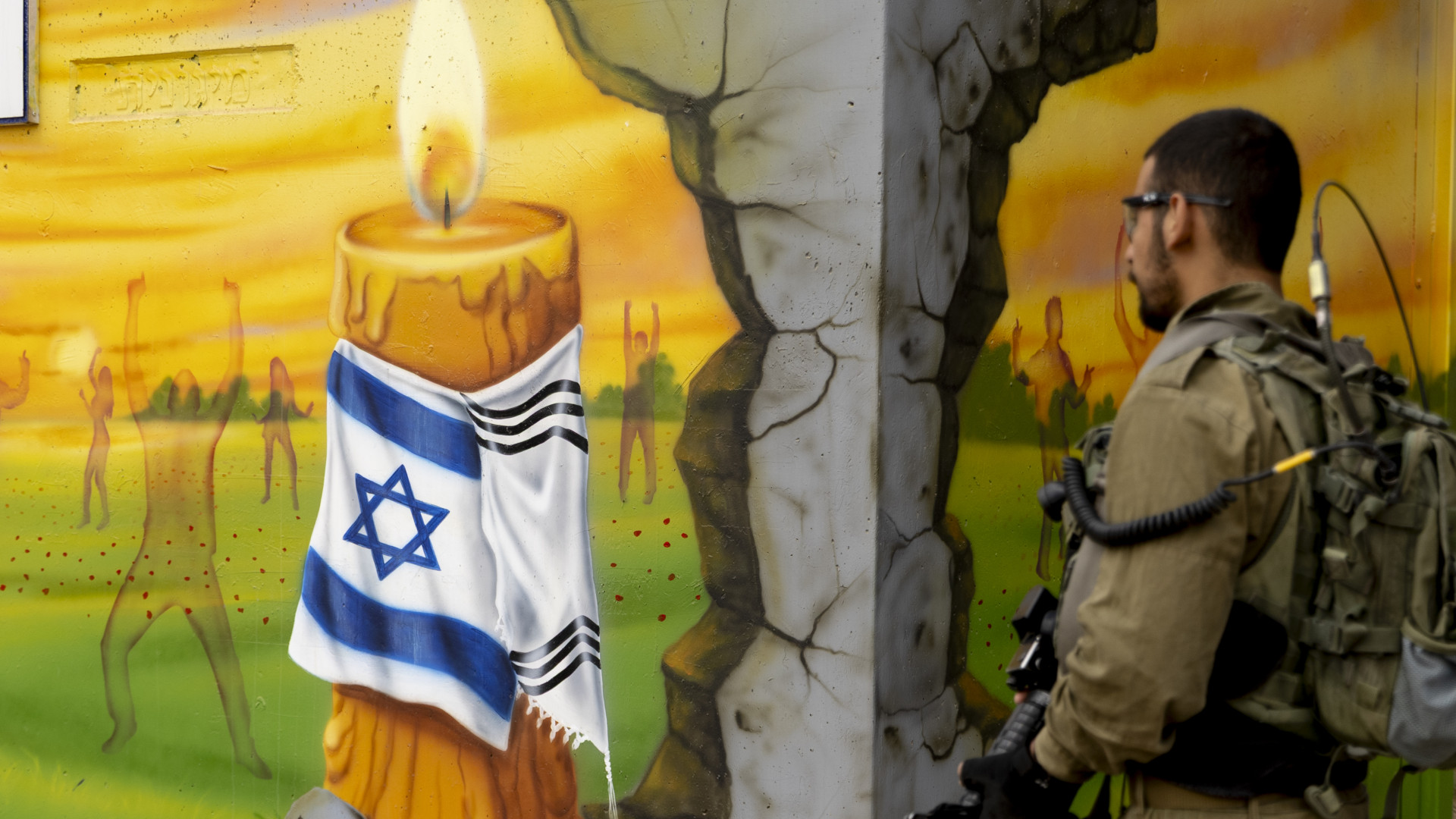
On Sunday morning, April 26, 2026, an Israeli military outpost in southern Lebanon came under attack by a kamikaze drone launched by Hezbollah, resulting in the death of one soldier and injuries to six others, according to the Israel Defense Forces (IDF). The Times of Israel reported that the strike targeted a position belonging to the 77th Battalion of the 7th Armored Brigade, killing a 19-year-old sergeant and wounding six comrades, three of whom were in serious condition. The IDF confirmed the incident and stated that medical teams evacuated the wounded from the battlefield whereas one attacking drone was intercepted and another missed its target.
This attack marks the latest escalation along the Israel-Lebanon border despite the nominal ceasefire in place, with Hezbollah having killed three Israeli soldiers since the beginning of the ceasefire period. The IDF has responded with periodic aerial strikes against Hezbollah positions in Lebanese territory. The Times of Israel too reported that Hezbollah launched a second attack while evacuation efforts were underway, though details of that follow-up strike were not independently verified in the initial reports.
The drone strike occurred amid ongoing regional tensions following the Israel-Hamas war, which began after Hamas-led attacks on southern Israel on October 7, 2023. While the current confrontation involves Hezbollah in Lebanon, the broader context includes continued hostilities in Gaza, where Israeli military operations persist against Hamas militants. The IDF maintains real-time updates on its official website regarding developments in both theaters.
Israeli officials have not publicly disclosed the identity of the deceased soldier beyond confirming his age and rank, in accordance with standard military protocols for notifying next of kin before releasing names. The wounded soldiers were transported to medical facilities in northern Israel for treatment, though specific hospitals were not named in the initial reports. Medical sources indicated that the three seriously injured personnel were undergoing surgery for shrapnel wounds and trauma related to the blast impact.
The attack prompted immediate condemnation from Israeli leadership, with Prime Minister Benjamin Netanyahu convening an emergency security assessment. Defense Minister Israel Katz stated that Israel reserves the right to respond decisively to any threats against its soldiers, emphasizing that the IDF would continue to operate freely to secure the northern border. No formal declaration of war or mobilization orders were issued following the incident.
Internationally, the United Nations Interim Force in Lebanon (UNIFIL) issued a statement calling for maximum restraint and urging all parties to avoid actions that could escalate tensions along the Blue Line. UNIFIL patrols increased in the sector following the drone strike to monitor compliance with ceasefire arrangements and prevent further incidents. The Lebanese government, through its Foreign Ministry, denied any official involvement in the attack while reiterating its commitment to UN Security Council Resolution 1701, which governs the cessation of hostilities between Israel and Lebanon.
Analysts note that the employ of kamikaze drones represents a tactical evolution in Hezbollah’s arsenal, reflecting increased investment in precision-guided munitions capable of bypassing traditional defense systems. The IDF’s Iron Dome and David’s Sling systems are primarily designed to intercept rockets and short-range missiles, presenting challenges against low-flying, slow-moving aerial threats like commercial-grade drones modified for explosive payloads. Military experts suggest that layered defense strategies incorporating electronic warfare and short-range air defense systems are being reviewed to address this vulnerability.
The incident has reignited debate within Israel’s security establishment regarding the sustainability of the current ceasefire understanding, particularly given repeated violations by Hezbollah since its inception. Opposition leaders have called for a clearer strategic objective in southern Lebanon, arguing that periodic retaliatory strikes fail to deter future attacks. Government officials maintain that diplomatic channels remain open and that military action is calibrated to avoid triggering a broader regional conflict.
As of the latest update, the IDF has not announced any changes to troop deployments or rules of engagement along the Lebanese border. Officials stated that assessments of the attack are ongoing and that future responses will be based on intelligence evaluations and strategic considerations. The next scheduled security cabinet meeting is set for Tuesday, April 29, 2026, where further developments along the northern frontier are expected to be reviewed.
For real-time updates on IDF operations and official statements regarding the Israel-Hezbollah situation, the public is encouraged to consult the Israel Defense Forces’ official website and verified social media channels. Readers seeking context on the broader regional dynamics may refer to reputable international sources covering developments in Syria, Iran, and Palestinian territories, all of which influence the strategic calculations along Israel’s northern border.
We invite our global audience to share perspectives and engage in respectful dialogue on this developing story. Your insights help foster informed discussion on critical international affairs.
Worth a look
- France Wildfires: Gironde Fires Turn “Extremely Virulent” Amid Worsening National Crisis
- Andrew Burnham: Führt er Grossbritannien zurück in die EU? – NZZ
- Israeli settlers set fire to Al-Rahma Mosque in Qusra, West Bank (time.news)
- Berlin Pride Van Attack Kills One and Injures 16 Near Tiergarten Park (archyworldys.com)