
IKEA Job Cuts: 850 Positions Eliminated in Global Cost-Cutting Drive
Inter IKEA Systems, the franchise behind the world’s largest furniture retailer, has announced a significant workforce reduction, eliminating 850 positions globally as part of a cost-cutting strategy aimed at addressing declining consumer spending. The cuts, which include 300 roles in Sweden—home to the company’s headquarters in Almhult—mark one of the most substantial restructuring efforts in IKEA’s history. With implications for employees, suppliers, and local economies, the move underscores the challenges facing the retail sector amid shifting consumer priorities and economic pressures.
The job reductions, confirmed by Reuters on May 18, 2026, come as IKEA navigates a period of financial strain, with the company citing a need to streamline operations to remain competitive. While the announcement has sparked concerns among labor advocates and industry analysts, IKEA has framed the cuts as necessary to ensure long-term sustainability. The decision also coincides with a broader trend of layoffs across the retail and manufacturing sectors, as companies grapple with inflation, supply chain disruptions, and changing shopping behaviors.
For IKEA, the timing of the job cuts is particularly notable. The company has been expanding its digital presence and exploring new product lines, including its upcoming “IKEA PS 2026” collection, which debuts in stores on May 28, 2026. However, the cost-cutting measures suggest that even as IKEA innovates, it is also confronting the harsh realities of a slowing economy. The reductions are expected to affect roles across various departments, including operations, logistics, and corporate functions, though specific details about the distribution of cuts remain limited.
The impact of the layoffs extends beyond IKEA’s workforce. Suppliers and local communities, particularly in Sweden where the company was founded in 1943, may also feel the effects. Almhult, the town where IKEA’s first store opened, has long been synonymous with the brand’s success, and the job cuts could signal broader economic challenges for the region. Meanwhile, employees affected by the reductions are likely to face uncertainty as they navigate their next career steps, with some potentially exploring opportunities in IKEA’s growing digital and e-commerce divisions.
Why Is IKEA Cutting Jobs?
The primary driver behind the job cuts is IKEA’s response to declining consumer spending, a trend that has accelerated in recent years. According to recent financial reports and industry analyses, retail giants—including IKEA—have faced pressure from rising costs, shifting consumer preferences, and economic uncertainty. The company’s decision to reduce its workforce is part of a broader strategy to optimize operations and reduce expenses, ensuring that it can continue to innovate and compete in a rapidly evolving market.

While IKEA has not disclosed specific financial figures, the layoffs are indicative of the challenges facing the retail sector. In a statement, Inter IKEA Systems emphasized that the reductions are aimed at “creating a more efficient and agile organization.” The company has also highlighted its commitment to supporting affected employees through severance packages and outplacement services, though details about the scope of these benefits remain unclear.
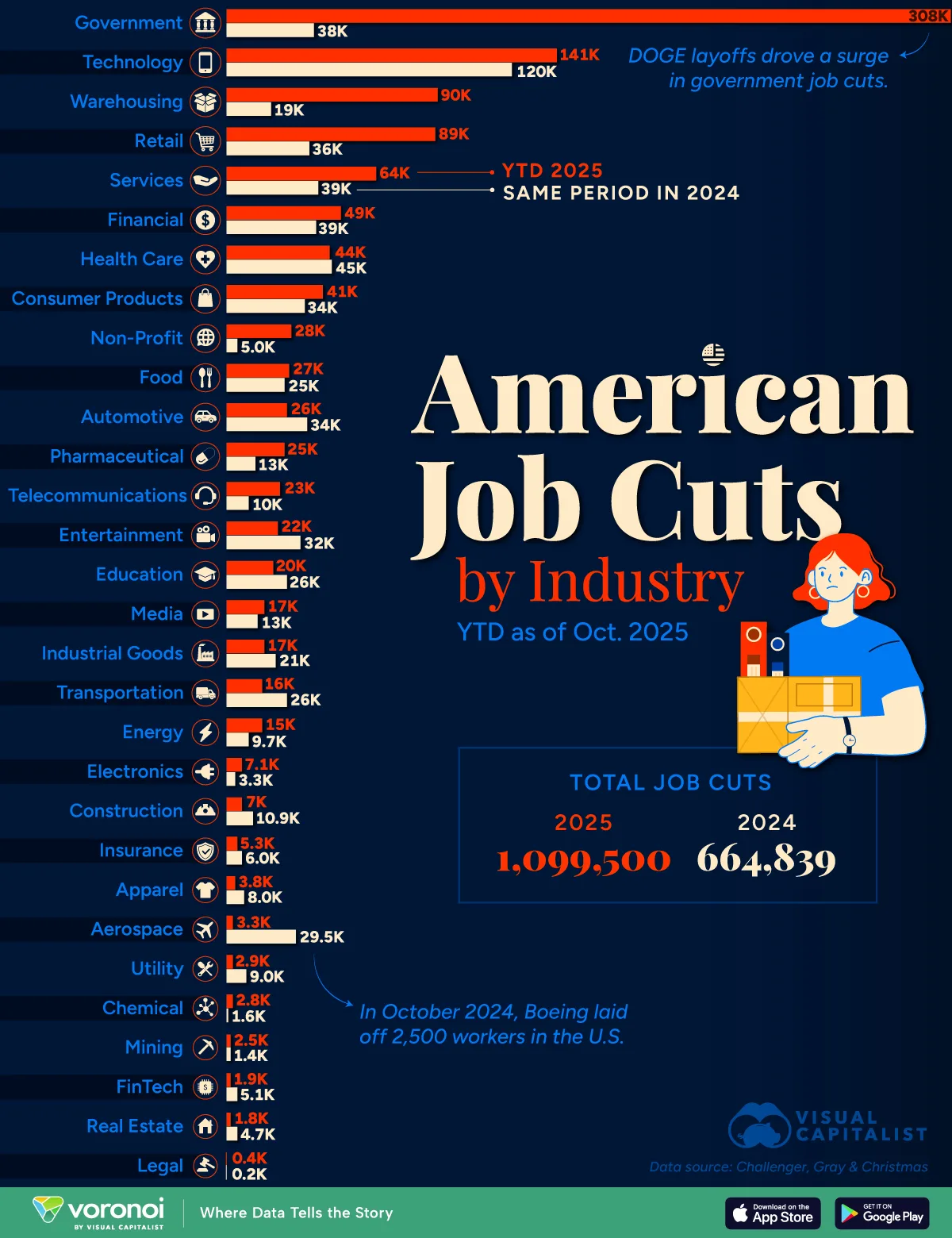
The job cuts are not isolated to IKEA. Across the retail and manufacturing industries, companies have been downsizing in response to economic pressures. For example, major retailers and automakers have announced layoffs in recent months, reflecting a broader trend of cost-cutting measures. However, IKEA’s scale—with over 460 stores in more than 60 markets—makes its workforce reductions particularly significant, both for the company and for the global furniture retail industry.
Who Is Affected?
The 850 job cuts announced by IKEA are distributed across multiple regions, with a notable concentration in Sweden. Specifically, 300 of the affected roles are in Almhult, where IKEA’s headquarters and one of its main production hubs are located. This region has historically been a cornerstone of IKEA’s operations, and the layoffs could have ripple effects on local businesses and the broader economy.
Employees in other parts of the world, including the United States, Europe, and Asia, are also impacted, though the exact number of positions being eliminated in each region has not been specified. The cuts are expected to affect a diverse range of roles, from warehouse and logistics staff to corporate employees in areas such as finance, marketing, and supply chain management. While IKEA has not provided a breakdown of the affected departments, industry observers suggest that the reductions may disproportionately impact lower-level and mid-level positions.
For affected employees, the job cuts present both challenges and opportunities. Many may qualify for severance packages and career counseling services offered by IKEA, but the transition to new roles—particularly in a competitive job market—could be difficult. Some employees may explore opportunities within IKEA’s expanding digital and e-commerce divisions, while others could seek positions with competitors or in related industries. The company has not yet announced plans for hiring in other areas, leaving many questions about the future of its workforce.
What Happens Next?
As IKEA implements the job cuts, the company will need to balance the immediate impact on its workforce with its long-term strategic goals. The upcoming launch of the “IKEA PS 2026” collection on May 28, 2026, presents an opportunity for the company to showcase its innovation and appeal to consumers. However, the success of this initiative will depend in part on whether IKEA can effectively manage its cost structure and maintain customer trust during this period of transition.
For employees, the next steps will involve navigating the severance process, exploring new career opportunities, and potentially seeking support from labor organizations or government programs. IKEA has not yet provided a detailed timeline for the layoffs, but affected employees are likely to receive notices in the coming weeks. The company may also offer additional resources, such as job placement services or training programs, to assist those transitioning out of their roles.
Industry analysts will be closely watching IKEA’s financial performance in the coming quarters to assess the impact of the job cuts. If consumer spending continues to decline, the company may face further pressure to reduce costs, potentially leading to additional layoffs or restructuring efforts. Conversely, if IKEA’s new product lines and digital initiatives gain traction, the company could stabilize its workforce and even explore hiring in key areas.
Key Takeaways
- 850 jobs eliminated: Inter IKEA Systems has announced a global reduction of 850 positions as part of a cost-cutting strategy, with 300 of those cuts in Sweden, including Almhult, the company’s headquarters.
- Declining consumer spending: The layoffs are primarily driven by economic pressures, including reduced consumer spending and inflation, which have affected retail and manufacturing sectors worldwide.
- Impact on local economies: The job cuts could have significant ripple effects on communities, particularly in Sweden, where IKEA has long been a major employer and economic driver.
- Employee support: While IKEA has not disclosed full details, affected employees are expected to receive severance packages and outplacement services to assist with their transition.
- Future outlook: The success of IKEA’s upcoming “IKEA PS 2026” collection and its digital initiatives will be critical in determining whether the company can stabilize its workforce and avoid further layoffs.
- Broader industry trend: The layoffs at IKEA reflect a wider pattern of cost-cutting measures across retail and manufacturing, as companies adapt to economic challenges.
FAQ: What You Need to Know About IKEA’s Job Cuts
- Q: How many jobs are being cut at IKEA?
A: IKEA has announced the elimination of 850 positions globally, with 300 of those in Sweden, including its headquarters in Almhult.

IKEA employees protesting layoffs - Q: Why is IKEA cutting jobs?
A: The job cuts are part of a cost-cutting strategy in response to declining consumer spending and economic pressures, including inflation and supply chain disruptions.
- Q: Will IKEA hire new employees in the future?
A: While IKEA has not announced specific hiring plans, the company is expanding its digital and e-commerce divisions, which may create new opportunities for affected employees or others in the industry.
From Instagram — related to Job Cuts - Q: What support is IKEA providing to affected employees?
A: IKEA has indicated that affected employees will receive severance packages and outplacement services, though the exact details of these benefits have not been fully disclosed.
- Q: How will this affect IKEA’s stores and products?
A: The job cuts are aimed at optimizing operations, but the impact on stores and products remains to be seen. IKEA’s upcoming “IKEA PS 2026” collection and digital initiatives will be key indicators of the company’s ability to adapt and thrive.
- Q: What should affected employees do next?
A: Employees should review their severance packages, explore career counseling services offered by IKEA, and consider opportunities in the company’s digital divisions or with competitors. Labor organizations and government programs may also provide additional support.
Final Thoughts: A Moment of Transition for IKEA
The job cuts at IKEA mark a pivotal moment for the company, reflecting both the challenges and opportunities it faces in the current economic climate. While the layoffs are a difficult reality for affected employees and their communities, they also signal IKEA’s determination to adapt and remain competitive. The coming months will be critical in determining whether the company can successfully navigate this transition and emerge stronger in the long run.
For now, the focus remains on supporting those impacted by the layoffs and monitoring IKEA’s next steps. The company’s ability to balance cost-cutting with innovation will be closely watched by investors, employees, and customers alike. As IKEA moves forward, the story of its workforce reduction serves as a reminder of the broader economic challenges facing the retail sector—and the resilience required to overcome them.
Stay Informed: What’s Next for IKEA?
The next major checkpoint for IKEA will be the launch of its “IKEA PS 2026” collection on May 28, 2026. This event will provide insight into the company’s strategic direction and its ability to innovate amid financial constraints. Industry analysts will be monitoring IKEA’s financial reports in the coming quarters to assess the impact of the job cuts and any potential further restructuring.
We encourage readers to share their thoughts on this development in the comments below. Have you been affected by these layoffs, or are you an IKEA employee navigating this transition? Your experiences and insights are valuable to our community. If you have questions about your rights or options as an affected employee, we recommend consulting with labor organizations or legal professionals for personalized advice.
Worth a look