
When people imagine Paris, they typically envision the wide, elegant boulevards of Haussmann’s design, iconic museums, or the bustling energy of its diverse arrondissements. However, the city did not begin as a sprawling metropolis. Long before it became one of Europe’s primary capitals, Paris was a modest settlement on a compact island in the middle of a river.
The Île de la Cité is the ancestral cradle of the city, serving as the original urban nucleus where the history of the French capital truly began. Situated in the heart of the Seine, this natural island provided the strategic foundation necessary for a small community to evolve into a global center of power, culture, and religion.
Today, the island remains the historical heart of the city, though its scale is modest compared to the surrounding urban expanse. According to official data, the Île de la Cité covers an area of approximately 0.22 square kilometers, or roughly 22.5 hectares Île de la Cité (Wikipedia). As of January 1, 2016, its resident population was recorded at 891 inhabitants Île de la Cité (Wikipedia).
The Strategic Origins of Lutetia
The birth of Paris is inextricably linked to the geography of the Seine. Around the 3rd century BC, the Celtic tribe known as the Parisii chose this specific enclave to establish their settlement. This was a calculated decision; the island offered natural protection against attacks and provided a privileged vantage point to control the river, which served as a critical artery for communication and trade.
This early settlement was known as Lutetia. Over time, Lutetia expanded and evolved, eventually transitioning from a Celtic outpost to a Roman city. Whereas the urban area grew to encompass both banks of the Seine during the Roman era, the Île de la Cité remained the central core. The very name “Cité” reflects the Latin word civitas, recalling a time at the end of Antiquity when Paris was limited primarily to this island Île de la Cité (Wikipedia).
From Celtic Outpost to Royal Capital
The symbolic and political importance of the island surged in the early 6th century. In the year 506, the city was consolidated as the capital of the Frankish kingdom, marking a turning point in its development. From this moment forward, the island was no longer just a place of origin but the definitive seat of power.
During the Middle Ages, the island became the administrative, religious, and cultural epicenter of the region. To protect this concentration of power, the island was fortified. Records indicate it was fortified in 308 Île de la Cité (Wikipedia), and further defenses were maintained to resist attacks, particularly those from the Normans.
The prestige of the site was noted by historical chroniclers. In 1190, the chronicler Gui de Bazoches described the Île de la Cité as being “the head, the heart and the marrow of Paris” Île de la Cité (Wikipedia).
The Architectural Heart of the French Capital
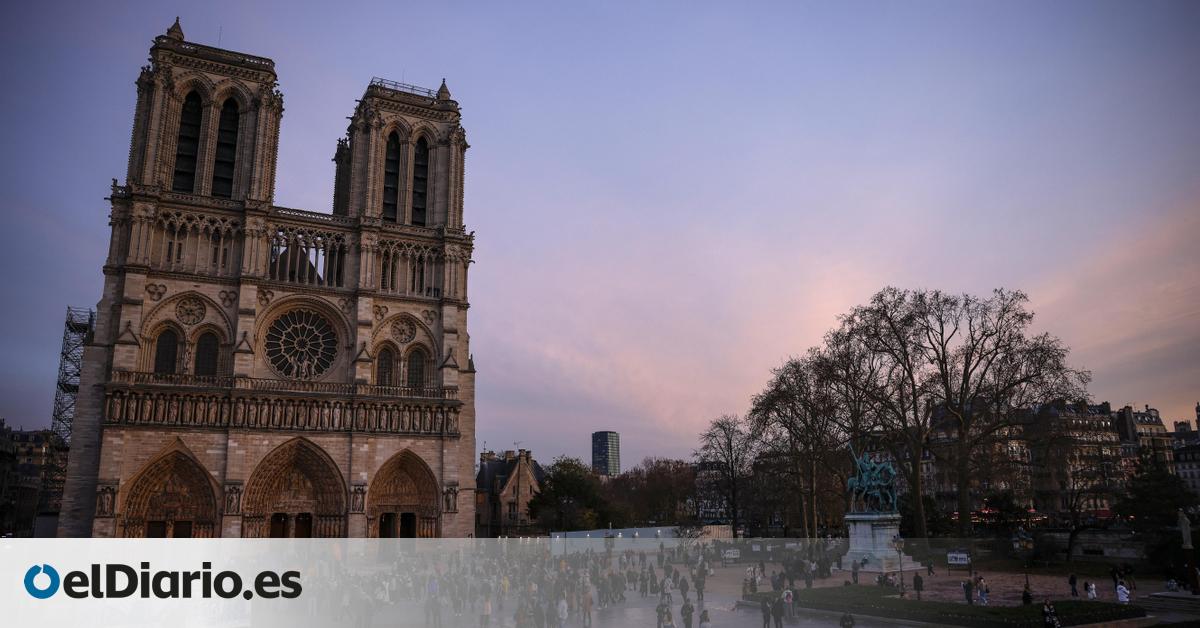
Walking through the Île de la Cité today reveals why it was so vital to the city’s growth. The island hosts some of the most emblematic buildings in France, reflecting different eras of political and spiritual history. The Cathedral of Notre Dame stands as a primary symbol of European Gothic architecture, while the Sainte-Chapelle and the Conciergerie represent the island’s role as a center of royal and judicial authority.
Because of its central role, the island is currently divided between the 1st and 4th arrondissements of Paris Île de la Cité (Wikipedia). It remains highly accessible to the public, served by the Cité and Saint-Michel metro stations Île de la Cité (Wikipedia).
Key Historical Timeline of the Île de la Cité
| Period/Date | Key Development |
|---|---|
| 3rd Century BC | Establishment of the Parisii Celtic tribe (Lutetia). |
| 308 AD | The island is fortified Île de la Cité (Wikipedia). |
| 506 AD | Consolidation as the capital of the Frankish kingdom. |
| 1190 AD | Described by Gui de Bazoches as the “heart and marrow of Paris” Île de la Cité (Wikipedia). |
Why the Location Defined the City
The success of the Île de la Cité was not accidental; it was a result of strategic geography. The Seine River did not merely divide the land; it articulated the movement of people and goods. By controlling this specific point, the early settlers could dominate trade routes, facilitate the defense of their population, and ensure a stable environment for urban growth.

While Paris eventually expanded across both banks of the river, the island never lost its central significance. It transitioned from a defensive stronghold to a symbolic core. Today, millions of visitors cross the Île de la Cité, often unaware that they are walking upon the exact coordinates where the foundation of the modern French capital was laid.
The island is more than a tourist destination; it is the starting point of a city that would eventually shape the history of Europe. Its persistence as the “heart” of Paris is a testament to the enduring value of its original strategic location.
For those interested in the continued preservation and restoration of the island’s landmarks, official updates regarding the reconstruction of Notre Dame and other heritage sites can be found through the French Ministry of Culture and the official city portals of Paris.
World Today Journal encourages readers to share their thoughts on the preservation of historical urban centers in the comments below.