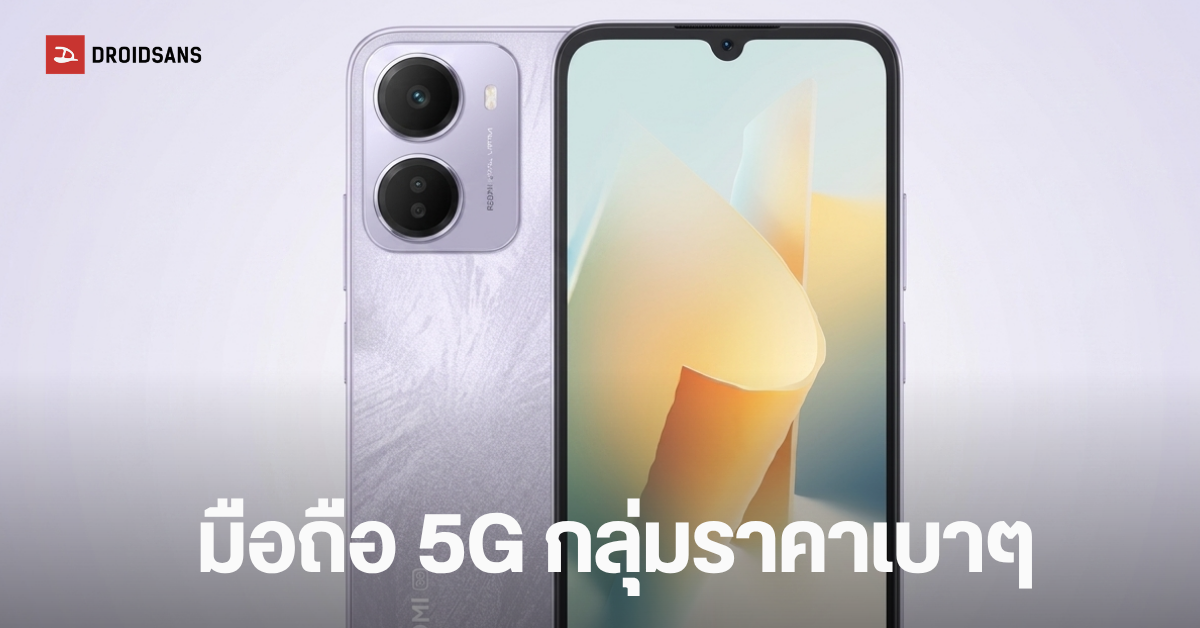
Xiaomi is aggressively expanding its footprint in the entry-level smartphone market, signaling a strategic shift toward combining high-capacity endurance with essential 5G connectivity. The recent emergence of the Redmi R70m 5G in regulatory databases, alongside the official rollout of the Redmi A7 Pro, suggests the company is targeting a global audience that prioritizes battery life and screen real estate over flagship performance.
As a journalist who has tracked the evolution of consumer electronics for nearly a decade, I find Xiaomi’s current trajectory particularly fascinating. By leveraging specialized chipsets and the latest software iterations, the company is attempting to bridge the gap between “basic” phones and “smart” devices, ensuring that budget-conscious users are not left behind in the transition to 5G networks.
The Redmi R70m 5G represents the debut of a new “R” lineup, appearing primarily in China Telecom’s product database. This device is designed for maximum utility, featuring a massive 6,300mAh battery and a sprawling 6.9-inch display, positioning it as a powerhouse for users who rely heavily on their devices for long durations without access to a charger according to recent leaks.
Redmi R70m 5G: A New Standard for Budget Endurance
The Redmi R70m 5G (which may likewise be marketed simply as the Redmi R70) is built around the concept of “extreme utility.” The most striking specification is its 6,300mAh battery, housed within a chassis that measures 171.56 x 79.47 x 8.2mm and weighs approximately 211.5 grams as detailed in database listings. This capacity is significantly higher than the industry average for budget devices, catering to a demographic that uses smartphones for extended periods of media consumption or as primary work tools.
Visually, the device maintains a pragmatic design with a flat, right-angled frame. It features a 6.9-inch display with a waterdrop notch and a resolution of 1600 x 720 (HD+). While the resolution is modest, the sheer size of the panel ensures an immersive experience for basic tasks. The hardware is rounded out with a 3.5mm headphone jack and a USB-C port, maintaining essential legacy connectivity for the budget market per the leaked specifications.
Under the hood, the R70m 5G utilizes the Unisoc UMS9632 platform. Unisoc chipsets are frequently employed in affordable devices to keep costs low while providing stable performance for daily applications. To support various user needs, the device is expected to launch in five memory configurations: 4GB+128GB, 6GB+128GB, 6GB+256GB, 8GB+256GB, and 12GB+256GB. It also runs Android 16 out of the box, ensuring the latest security and software features are available from day one according to the China Telecom listing.
The camera system remains basic, focusing on functionality over professional photography. The rear setup consists of a 13-megapixel main sensor paired with an 8-megapixel secondary lens, while the front-facing camera is an 8-megapixel sensor as reported in the leak. For those concerned with aesthetics, the phone will be available in Starry Night Black, Feather White, Cold Mist Blue, and Feather Purple.
Redmi A7 Pro: Bringing 120Hz to the Entry Level
While the R70m 5G targets the ultra-endurance niche, the Redmi A7 Pro, released on March 13, 2026, focuses on enhancing the user interface experience as listed on GSMArena. The A7 Pro features a 6.9-inch display that supports an adaptive refresh rate of up to 120Hz. In my experience, a high refresh rate is one of the most noticeable upgrades in a smartphone, as it makes scrolling and animations sense significantly more fluid, a feature typically reserved for mid-range or flagship devices.
The A7 Pro is also designed for outdoor visibility, featuring an 800-nits HBM (High Brightness Mode) screen. To protect users from eye strain during prolonged use, the display holds triple TÜV Rheinland certifications for Low Blue Light, Flicker-Free operation, and Circadian Friendly viewing according to official Xiaomi specifications. It includes “Wet Touch Technology 2.0,” which allows the screen to remain responsive even if the user’s fingers are wet or oily.
Powering the A7 Pro is the Unisoc T7250 chipset, paired with either 4GB or 6GB of RAM and storage options of 64GB or 128GB per technical specifications. The device is powered by a 6,000mAh battery that supports 15W charging. Xiaomi claims this battery remains high-performing even after 1,000 charging cycles, which is a critical detail for users who intend to keep their phones for several years via Xiaomi Global.
One of the most modern additions to the A7 Pro is the deep integration of Google Gemini. The device allows users to access the AI assistant via an overlay without switching apps, and supports “Gemini Live” for real-time voice conversations and screen sharing. This integration brings advanced AI capabilities—such as image generation and cross-app information retrieval—to a device segment that usually lacks such sophisticated software according to the product page.
Comparative Analysis: R70m 5G vs. A7 Pro
When comparing these two devices, it becomes clear that Xiaomi is segmenting the budget market based on specific user priorities: endurance versus fluidity. The R70m 5G is the choice for the “power user on a budget,” offering a larger battery and 5G connectivity for better network speeds in the future. The A7 Pro is the choice for the “media consumer,” offering a smoother 120Hz screen and more advanced AI tools.

| Feature | Redmi R70m 5G | Redmi A7 Pro |
|---|---|---|
| Battery Capacity | 6,300mAh | 6,000mAh |
| Display Refresh Rate | Standard (Not specified) | Up to 120Hz Adaptive |
| Chipset | Unisoc UMS9632 | Unisoc T7250 |
| Operating System | Android 16 | Android 16 / HyperOS 3 |
| Connectivity | 5G Enabled | 4G/Entry-level |
| Weight | 211.5g | 208g |
What Which means for the Budget Smartphone Market
The deployment of Android 16 across these budget devices is a significant move. Typically, entry-level phones are the last to receive OS updates, or they ship with outdated versions. By launching with the latest software, Xiaomi is ensuring that budget users have access to the latest security patches and system optimizations from the start.
the reliance on Unisoc chipsets highlights a broader industry trend. As Qualcomm and MediaTek focus their high-end resources on AI-integrated flagship chips, Unisoc has filled the void in the entry-level sector, providing “good enough” performance that allows manufacturers to keep the retail price low without sacrificing basic 5G or 4G functionality.
For the global consumer, this means that “budget” no longer has to mean “obsolete.” The inclusion of features like 120Hz displays and 6,000mAh+ batteries indicates that the baseline for what constitutes an acceptable entry-level phone has risen. Users are no longer forced to choose between a phone that lasts all day and a phone that feels responsive; they can now find devices that offer a balance of both.
The next confirmed checkpoint for this lineup will be the official pricing and availability announcement for the Redmi R70 series, which has yet to be released by Xiaomi. We expect more details on the global launch of the “R” series as the company moves beyond the initial China Telecom database listings.
Do you think a 6,300mAh battery is a game-changer for budget phones, or is 5G connectivity more important? Share your thoughts in the comments below.
Worth a look