
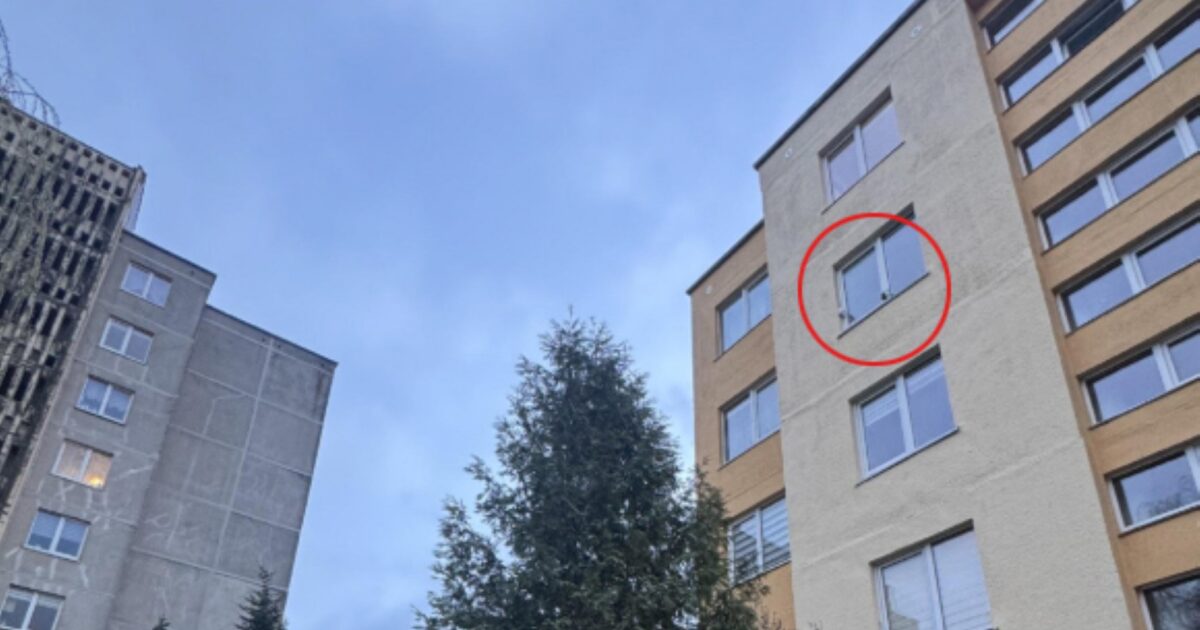
In recent months, residents of multi-apartment buildings in Panevėžys, Lithuania, have increasingly reported concerns about unauthorized video surveillance equipment installed in common areas. These complaints, submitted monthly to local authorities, often reveal that the cameras were installed without proper authorization, raising significant privacy and legal questions under national data protection laws.
The issue gained attention following a specific complaint regarding a surveillance camera mounted on the window frame of an apartment on the fourth floor of a building on Ateities Street. According to the head of the Public Order Division, Tadas Martinaitis, the device was confirmed to have been installed illegally. Citing the Law on Legal Protection of Personal Data, officials have demanded its removal, emphasizing that individuals captured by such unauthorized recordings have the right to seek compensation for violations of their privacy.
This pattern reflects a broader challenge across Lithuanian urban centers, where residents sometimes install surveillance systems in shared spaces like building entrances, hallways, or courtyards without consulting neighbors or adhering to legal requirements. While the intent may be to enhance security—particularly in response to vehicle thefts or vandalism—such actions can inadvertently breach data protection regulations if not implemented transparently and lawfully.
Under Lithuania’s implementation of the General Data Protection Regulation (GDPR) and national legislation, any video surveillance in areas accessible to multiple residents must comply with strict principles of necessity, proportionality, and transparency. Authorities stress that even well-intentioned security measures require either unanimous consent from building occupants or clear justification under legitimate interest, accompanied by visible signage and data retention policies.
Legal experts note that individuals recorded by unlawfully placed cameras may file complaints with the State Data Protection Inspectorate, which has the authority to investigate and impose fines. In some cases, affected parties may pursue civil claims for non-material damages resulting from the unauthorized processing of their personal data.
To prevent misuse, housing cooperatives and property managers are advised to consult legal guidelines before installing any surveillance equipment. Official recommendations include holding residents’ meetings to discuss security needs, drafting clear policies on camera usage, and ensuring that monitoring does not intrude into private spaces such as windows or balconies of neighboring units.
As of April 2026, Panevėžys municipal authorities continue to process monthly reports concerning suspicious surveillance devices in residential buildings. Each case undergoes technical and legal review to determine compliance with data protection standards. Residents seeking guidance on lawful surveillance practices or wishing to report suspected violations can contact the local Public Order Division or the State Data Protection Inspectorate.
Stay informed about developments in data privacy and residential security by following updates from official Lithuanian regulatory bodies. Share your thoughts or experiences regarding surveillance in apartment buildings in the comments below.