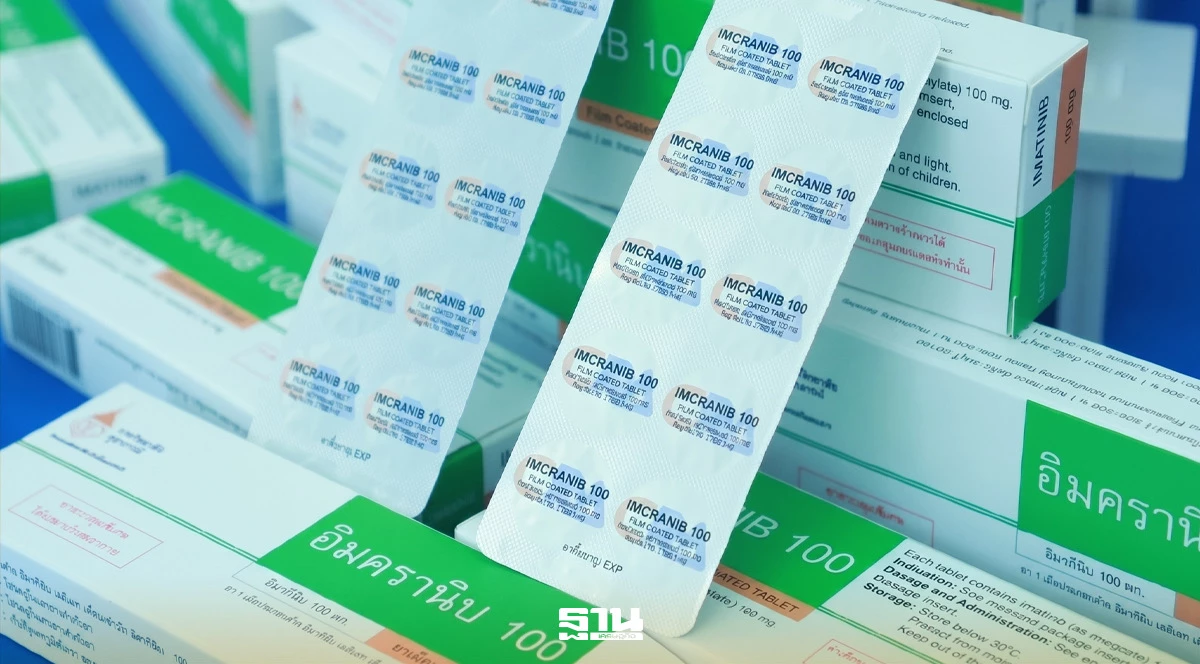
The first shipment of the targeted cancer therapy drug Imcranib 100 has been delivered to the Government Pharmaceutical Organization (GPO) in Thailand, marking a significant advancement in the nation’s oncology treatment landscape. This initiative, facilitated by the Chulabhorn Royal Academy, aims to expand access to advanced medication for patients enrolled in the country’s Universal Coverage Scheme.
According to official reports, the donation includes 690,000 tablets of the medication, which were provided in honor of the 69th birthday of Her Royal Highness Princess Chulabhorn Krom Phra Srisavangavadhana, which falls on July 4. The distribution process is now underway, with the GPO overseeing the transport of the medication to hospitals and healthcare facilities across the country to ensure equitable access for those in need, regardless of their financial circumstances.
Infrastructure and Distribution Standards
The successful delivery of this medication follows a rigorous production phase at the Pharmaceutical Manufacturing Center under the Chulabhorn Royal Academy. Deputy government spokeswoman Ploytalay Laksmeesangchan confirmed that the entire logistics chain—from the initial manufacturing stages to the final delivery at the GPO’s central distribution hub—has adhered to strict Good Distribution Practice (GDP) standards. These protocols are essential for maintaining the quality, safety, and therapeutic effectiveness of the drug as it moves through the national supply chain.

The GPO serves as the primary distribution hub for the National Health Security Office (NHSO), which manages the allocation of the drug to regional healthcare providers. By integrating this targeted therapy into the existing universal healthcare framework, the project seeks to reduce barriers to specialized care for cancer patients throughout Thailand. The initiative is a direct result of the royal benevolence of Her Royal Highness Princess Chulabhorn, who serves as the president of the Chulabhorn Royal Academy.
Understanding Targeted Cancer Therapy
Imcranib 100 belongs to a class of medications known as tyrosine kinase inhibitors, which are designed to target specific proteins that signal cancer cells to grow. By interfering with these signals, such medications can effectively slow or stop the progression of certain malignancies. This approach is often referred to as targeted therapy, as it focuses on the molecular mechanisms of the disease rather than traditional systemic treatments that may affect healthy cells more broadly.
In the broader medical context, medications within this pharmacological class, such as imatinib, are used to treat various cancers and specific bone marrow conditions. While specific clinical indications for Imcranib 100 are managed by the prescribing oncologists and healthcare facilities under the NHSO, the introduction of this domestic supply chain represents a strategic move to stabilize the availability of critical oncology treatments. Patients seeking information regarding their eligibility or the availability of this therapy at their local facility should consult with their primary care physician or oncology specialist, who will follow the established NHSO allocation protocols.
Looking Ahead
With the first batch now housed in the GPO’s central facility, the next phase involves the systematic rollout to provincial hospitals nationwide. The NHSO is currently finalizing the distribution schedule to ensure that healthcare facilities in every region are adequately stocked to support patients under the universal healthcare system. As the medication reaches clinical settings, healthcare providers will continue to monitor patient outcomes and safety data to ensure the project meets its objective of improving cancer care accessibility.
For patients and their families, this project provides a clearer path to accessing essential treatments without the burden of prohibitive costs. As the distribution progresses, further updates regarding the availability of the drug at specific hospitals will be provided through official NHSO channels and local health department announcements. We invite our readers to share their experiences or questions in the comments section below as this nationwide distribution effort continues to unfold.