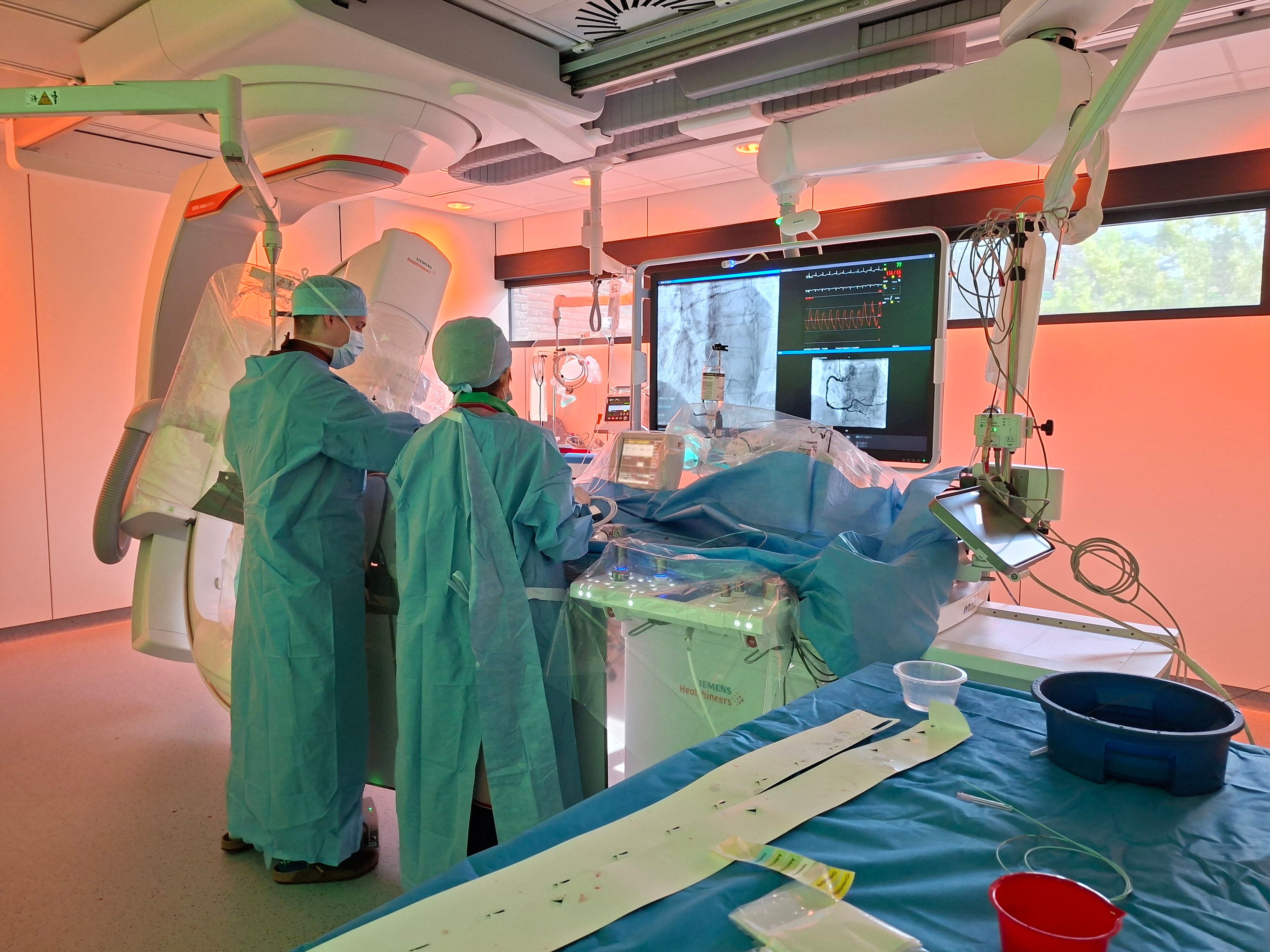
Imelda Hospital in Belgium is integrating artificial intelligence into its medical imaging workflows to accelerate the detection of abnormalities and reduce the workload for radiologists, according to reports from RTBF. The initiative focuses on using AI as a “second pair of eyes” to highlight potential issues in scans, allowing physicians to prioritize urgent cases and improve diagnostic accuracy.
The implementation of AI in medical imaging at Imelda Hospital aims to address the growing volume of radiological data and the shortage of specialized medical staff. By deploying algorithms that can scan thousands of images in seconds, the hospital intends to shorten the time between a patient’s scan and the delivery of a final diagnosis.
Medical imaging AI typically functions by identifying patterns in pixels that may indicate pathology, such as nodules in lungs or hemorrhages in the brain. At Imelda Hospital, these tools do not replace the radiologist; instead, they flag areas of interest for the human doctor to verify and interpret, maintaining a human-in-the-loop system to ensure patient safety.
How does AI improve diagnostic speed at Imelda Hospital?
AI algorithms process imaging data faster than human clinicians by automating the initial screening phase. According to the hospital’s reported approach, the software scans the images immediately after they are taken, marking suspicious regions before the radiologist even opens the file. This triage system ensures that a patient with a critical, life-threatening finding is moved to the top of the reading list.

The reduction in manual searching allows radiologists to spend more time on complex interpretations rather than routine scanning. This shift is particularly impactful in emergency settings where minutes can determine the outcome of a stroke or trauma patient. The AI acts as a filter, removing the “noise” of healthy tissue and directing the physician’s attention to the anomaly.
What are the risks and safeguards of AI in radiology?
The primary concern with AI in healthcare is the risk of “false positives,” where the software identifies a normal anatomical variation as a disease. To mitigate this, Imelda Hospital maintains a strict protocol where no AI finding is ever communicated to a patient without a verified signature from a licensed physician.

The hospital emphasizes that AI is a supportive tool, not a diagnostic authority. This distinction is critical in medical law and ethics, as the legal responsibility for a diagnosis remains with the healthcare provider. By using AI for detection and humans for diagnosis, the facility balances technological speed with clinical judgment.
Why is this transition happening now in Belgian healthcare?
Belgium, like much of Europe, faces a significant shortage of radiologists. The increasing resolution of modern imaging equipment—such as high-tesla MRI and multi-slice CT scanners—has resulted in a massive increase in the number of images per patient. A single chest CT can now produce hundreds of slices, making manual review exhaustive and time-consuming.
The integration of AI is a response to this “data deluge.” By automating the quantification of lesions or the measurement of organ volume, the hospital can maintain a high standard of care despite the increasing pressure on human resources. This technological shift is part of a broader trend across the European Union to digitize health records and optimize clinical pathways through the European Health Data Space.
Who is affected by these changes in imaging?
Patients are the primary beneficiaries through faster turnaround times for results and a lower likelihood of human oversight due to fatigue. For the medical staff, the technology reduces the cognitive load associated with repetitive screening tasks, potentially lowering burnout rates among radiology departments.

Hospital administrators also see a benefit in operational efficiency. Faster throughput in the radiology department reduces the time patients spend occupying beds while waiting for a diagnosis, which in turn frees up capacity for new admissions. This systemic efficiency is vital for the sustainability of the Belgian healthcare model.
The next phase for such implementations typically involves expanding AI capabilities from simple detection to predictive analytics, where software might suggest the likely progression of a disease based on historical data. Imelda Hospital’s current focus remains the verification of these tools in a live clinical environment to ensure they meet rigorous safety standards.
Readers can follow official updates on medical technology integration through the hospital’s administrative announcements or the Belgian Federal Public Service for Health.
Do you believe AI will eventually replace the need for human radiologists, or will it always remain a supportive tool? Share your thoughts in the comments below.