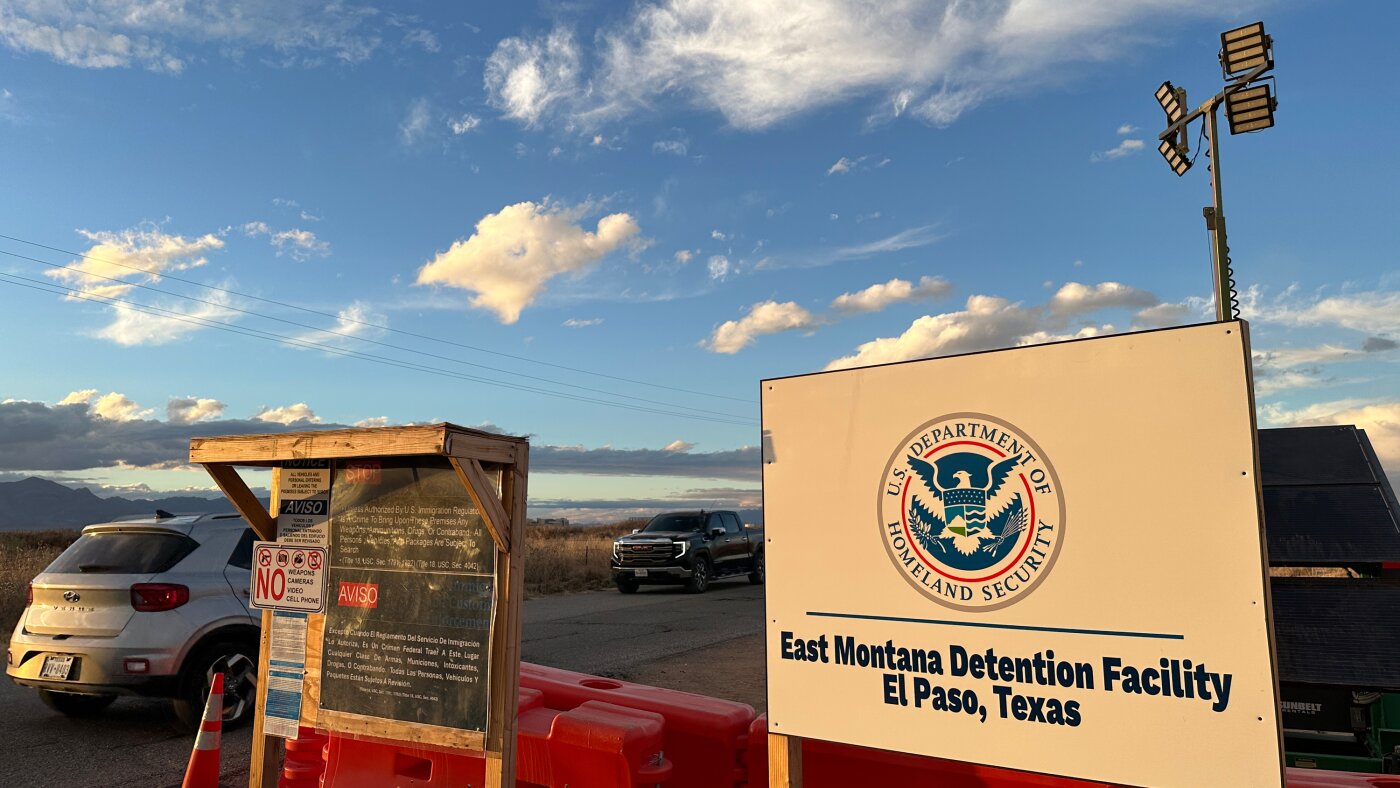
Legal organizations have filed a lawsuit against U.S. Immigration and Customs Enforcement (ICE) challenging the conditions at Camp East Montana, a large-scale immigration detention facility located on the Fort Bliss military base in El Paso, Texas. The legal action, filed on Friday, May 29, 2026, marks the first time the facility has faced a formal legal challenge regarding its operational standards, specifically concerning the treatment and safety of those detained within its tent-based infrastructure.
As a medical professional, I have closely monitored the intersection of public health and detention policy. The allegations brought forward by the American Civil Liberties Union (ACLU) of Texas, the ACLU, the Texas Civil Rights Project, Human Rights Watch, and the law firm Farella Braun + Martel LLP paint a concerning picture of systemic failures. The plaintiffs assert that the environment at the facility has contributed to severe medical neglect and significant health risks for the population housed there.
Documented Health and Safety Concerns
The lawsuit, which includes a motion for class certification, outlines a series of allegations regarding the living conditions at the El Paso site. Among the most pressing concerns raised by the legal teams are reports of inadequate medical care that have reportedly escalated into larger public health issues. The filing references a prolonged measles outbreak that affected at least 14 people, highlighting potential lapses in infection control and preventative health measures within the detention environment.
Beyond infectious disease control, the complaint details physical and environmental hazards. Detainees have reported that the facility’s tent structure offers insufficient protection against the local climate, specifically noting that gaps in the tent walls allow dust storms to penetrate living areas. Such exposure is a known risk factor for respiratory distress and exacerbations of underlying conditions, particularly in a high-density environment. The legal filing addresses concerns regarding nutrition, alleging that the food provided is both inadequate in quality and insufficient in quantity, leading to significant weight loss among the detained population.
Allegations of Misconduct and Solitary Confinement
The legal challenge also brings to light serious accusations regarding the conduct of personnel at the facility. The plaintiffs describe instances of violent uses of force by officers against detained individuals. The filing alleges that there have been coercive threats of deportation used to discourage individuals from seeking necessary assistance or reporting their grievances.

Of particular concern to human rights advocates is the reported use of solitary confinement. The lawsuit claims that this measure is frequently employed as a punitive response when detainees request basic necessities, such as medical attention or hygiene supplies. In the context of institutional health, the use of isolation as a disciplinary tool for those seeking care is generally viewed as a significant barrier to maintaining the health and well-being of a vulnerable population.
The Path Forward: Legal and Public Health Implications
This litigation represents a significant test of federal detention standards. As the case moves through the U.S. Court system, observers will be watching to see how the government addresses these specific claims of neglect and misconduct. The demand for improved conditions at Camp East Montana underscores a broader, ongoing debate regarding the intersection of immigration enforcement and the constitutional right to humane treatment while in government custody.
For those interested in following this case, official updates can be found through the ACLU of Texas, which is providing ongoing information regarding the lawsuit and its filings. As the court processes the motion for class certification, further details regarding the scope of the legal challenge will likely emerge in upcoming hearings.

The situation at Fort Bliss serves as a stark reminder of the complexities involved in managing large-scale detention facilities. Ensuring that medical standards are met and that human rights are protected remains a critical responsibility for any institution charged with the care of individuals, regardless of their legal status. We will continue to track the developments of this lawsuit as they unfold in the coming weeks.
What are your thoughts on the balance between immigration enforcement and humanitarian standards? We invite our readers to share their perspectives in the comments section below.