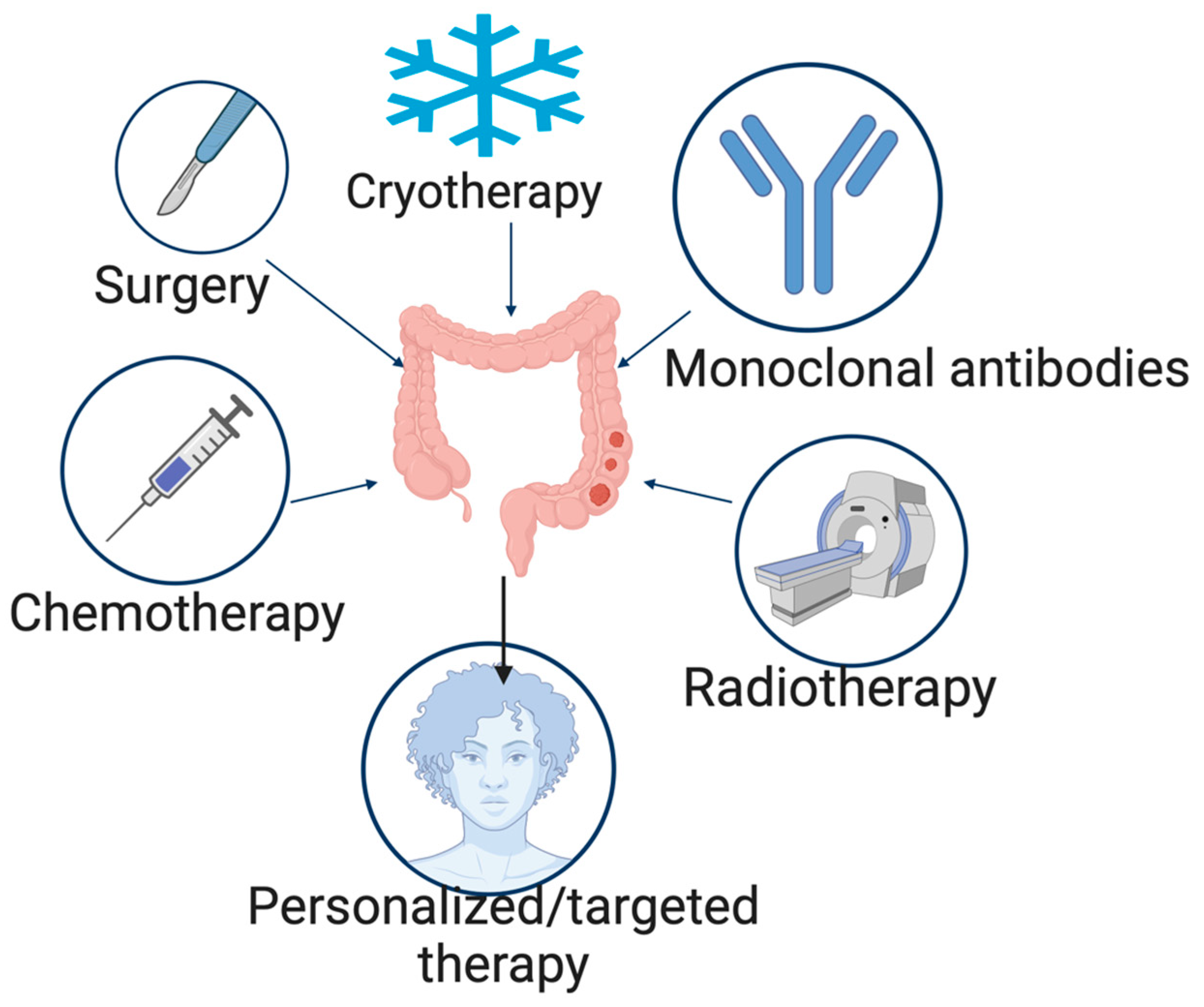
Immunotherapy has emerged as a promising treatment for certain types of colorectal cancer, particularly in patients with specific genetic profiles. Recent reports from Taiwan highlight a case involving a 26-year-old woman whose rectal cancer appeared to disappear after receiving immunotherapy, drawing attention to the potential of this approach in younger patients. While such individual outcomes are encouraging, medical experts emphasize the need for broader clinical validation before drawing definitive conclusions about efficacy across populations.
The case, reported by local media outlets, describes a young female patient diagnosed with rectal cancer who underwent treatment with an immune checkpoint inhibitor. Following therapy, subsequent examinations reportedly showed no detectable signs of tumor presence. Yet, the original source does not specify the exact immunotherapy agent used, the duration of treatment, or the specific diagnostic criteria used to confirm complete remission. These details remain unverified in independently accessible medical literature or clinical trial registries as of the current date.
To contextualize this report, it is important to understand which patients are typically considered candidates for immunotherapy in colorectal cancer. According to verified medical sources, immune checkpoint inhibitors such as pembrolizumab and nivolumab have demonstrated clinical benefit primarily in tumors exhibiting microsatellite instability-high (MSI-H) or deficient mismatch repair (dMMR) status. These molecular characteristics are found in approximately 4% to 5% of metastatic colorectal cancer cases, making the eligible patient population relatively small but potentially highly responsive to such treatments.
A study published by researchers at University College London and presented at the American Society of Clinical Oncology (ASCO) meeting investigated the use of pembrolizumab in patients with early-stage rectal cancer harboring high levels of genetic mutations. In this trial, 32 participants with stage II or III rectal cancer received pembrolizumab prior to surgery. Results indicated that approximately 59% of patients experienced complete disappearance of tumor cells in the rectum following preoperative immunotherapy, a pathological response known as complete histologic remission.
Further supporting evidence comes from a clinical trial conducted at Memorial Sloan Kettering Cancer Center, which examined the use of dostarlimab—a different immune checkpoint inhibitor—in patients with MSI-H rectal cancer. In this small but notable study, 18 patients received dostarlimab every three weeks for six months. All participants achieved complete clinical remission, with no evidence of tumor persistence on imaging, endoscopy, or biopsy, and remained cancer-free during follow-up periods extending beyond two years in some cases. This study, while limited in size, represents one of the most striking examples of immunotherapy-induced remission in rectal cancer to date.
Despite these encouraging results, experts caution against generalizing outcomes from small trials or individual case reports. The Taiwanese health authority has not yet approved immune checkpoint inhibitors for routine use in colorectal cancer treatment within the national health insurance system. Similarly, international guidelines continue to recommend immunotherapy primarily for metastatic or advanced cases with confirmed MSI-H/dMMR status, pending further data on long-term safety and survival benefits in earlier disease stages.
Medical professionals stress that immunotherapy is not universally effective and can carry risks, including immune-related adverse effects such as colitis, hepatitis, or endocrine disorders. Patient selection through comprehensive biomarker testing remains critical to identifying those most likely to benefit while avoiding unnecessary exposure to potentially harmful treatments in non-responders.
Ongoing research aims to clarify the role of immunotherapy across different stages of colorectal cancer. Trials are currently investigating neoadjuvant (preoperative) and adjuvant (postoperative) applications, as well as combination strategies involving immunotherapy alongside chemotherapy or targeted agents. Results from these studies are expected to inform future treatment guidelines and potentially expand access to immunotherapy for broader patient groups.
For individuals considering immunotherapy, consultation with a multidisciplinary oncology team is essential. Diagnostic evaluation should include microsatellite instability and mismatch repair testing to determine eligibility. Patients are encouraged to discuss available clinical trial opportunities with their healthcare providers, particularly if standard treatments have proven ineffective or if they possess tumor characteristics associated with heightened immunotherapy sensitivity.
As scientific understanding advances, the integration of immunotherapy into colorectal cancer care continues to evolve. While isolated cases of dramatic response offer hope, the medical community maintains a cautious optimism grounded in rigorous evidence generation. Continued investment in research, equitable access to biomarker testing, and transparent reporting of clinical outcomes will be vital in determining the true impact of immunotherapy on colorectal cancer survival and quality of life.
Those seeking updates on colorectal cancer treatment developments are advised to consult peer-reviewed journals, official announcements from regulatory agencies such as the U.S. Food and Drug Administration (FDA) or the European Medicines Agency (EMA), and reputable cancer information platforms including the American Cancer Society and World Health Organization (WHO) cancer portals.
Readers are invited to share their thoughts and experiences in the comments section below. If you found this article informative, please consider sharing it with others who may benefit from reliable, evidence-based health information.
Worth a look