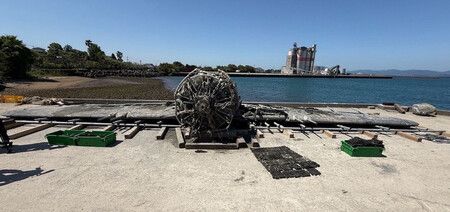
The maritime heritage of the Pacific theater continues to surface, quite literally, as researchers and recovery teams work to document the remnants of World War II. Among the most significant pieces of aviation history from this era is the Kawanishi N1K2-J Shiden Kai, a land-based fighter aircraft that served with the Imperial Japanese Navy during the final stages of the conflict. While the recovery of such artifacts often makes headlines, these efforts represent a complex intersection of historical preservation, environmental stewardship and the ongoing process of accounting for the material legacy of the 1940s.
The Shiden Kai—Allied reporting name “George”—holds a distinct place in aviation history. Unlike its predecessor, the N1K1 Kyōfū (Allied reporting name “Rex”), which was designed as a floatplane for offensive operations where runways were unavailable, the N1K2-J was engineered specifically as a high-performance interceptor. According to historical records archived by institutions such as the National Naval Aviation Museum, the aircraft was lauded by contemporary pilots for its speed and maneuverability, allowing it to hold its own against late-war Allied fighters such as the F6F Hellcat and the P-51 Mustang.
Engineering Innovation in the Shiden Kai
The technical sophistication of the Shiden Kai often surprises modern observers. The aircraft utilized an automatic flap-extension mechanism controlled by a mercury-tilt sensor. This system allowed the pilot to execute high-G maneuvers with increased lift, effectively tightening the turn radius without the need for additional manual input. This design choice was a direct response to the intense aerial combat conditions of 1944 and 1945, when Japanese engineers sought to bridge the performance gap between their domestic fleet and the rapidly evolving Allied air power.
Historical documentation notes that the N1K2-J made its first flight on January 1, 1944. Outfitted with four 20 mm cannons, the aircraft was a formidable adversary that represented the peak of the Kawanishi Aircraft Company’s wartime output. The preservation of these frames, whether they remain in situ or are raised from the seafloor, provides invaluable data for historians studying the rapid iterative design cycles that characterized military aviation during the mid-20th century.
The Challenges of Underwater Preservation
Recovery operations involving WWII-era aircraft are fraught with logistical and ethical considerations. When a fuselage is discovered in coastal waters, such as those near the Kagoshima Prefecture, the priority often shifts from simple salvage to the preservation of the site as a potential war grave or a protected historical asset. The corrosive nature of saltwater, combined with decades of sediment accumulation, makes the structural integrity of these wrecks highly unpredictable.
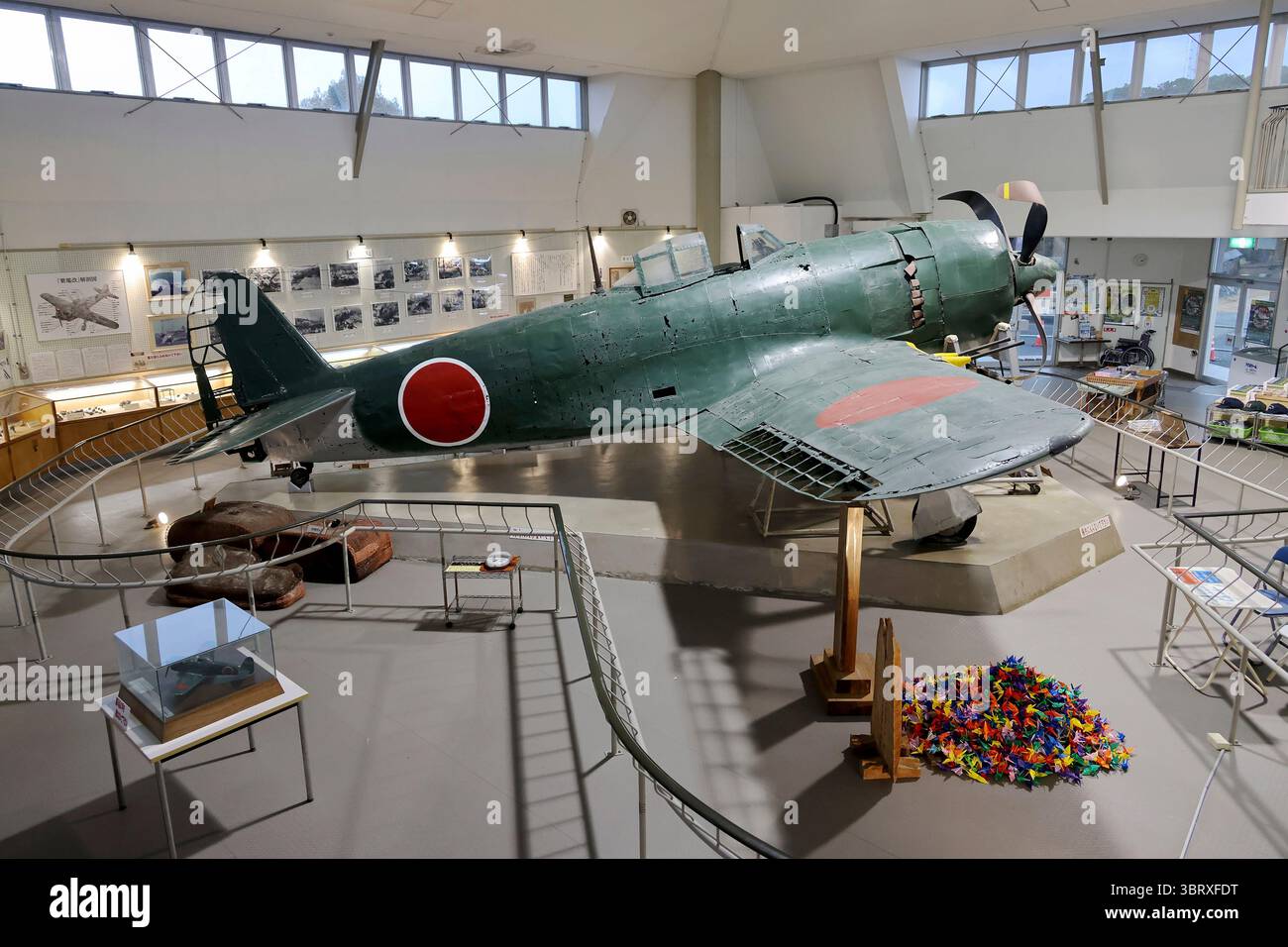
For maritime archaeologists, the “George” fighters discovered in locations like Jyoen Hisayoshi Bay serve as time capsules. Each recovery effort requires meticulous planning to ensure that the artifacts are not damaged during the transition from the seabed to the surface. The Agency for Cultural Affairs in Japan oversees the protection of significant cultural properties, ensuring that such recovery missions are conducted with the necessary permits and scientific rigor to maintain the historical context of the find.
Historical Significance and Legacy
Why does the recovery of a single fighter aircraft attract such sustained attention? For many, the Shiden Kai is not merely a machine, but a symbol of a specific period of technological desperation and ingenuity. The total production of these aircraft, including the N1K1 and N1K2 variants, totaled approximately 1,532 units, according to records maintained in historical aviation databases. As these machines become increasingly rare, their value to museums and educational institutions grows, offering a tangible link to the global conflict that reshaped the 20th century.
The ongoing documentation of these sites is essential. By mapping the locations of wrecks and studying the condition of the recovered airframes, researchers can better understand the final maneuvers of these aircraft. This proves a process that balances the desire to preserve history with the solemnity of acknowledging the human cost associated with the Pacific War.
Key Facts Regarding the Kawanishi N1K2-J
- Design Origin: Developed by the Kawanishi Aircraft Company as an evolution of the N1K1 Kyōfū floatplane.
- Primary Armament: The N1K2-J was typically armed with four 20 mm cannons.
- Technological Feature: Included a mercury-tilt sensor for automatic flap deployment during high-G maneuvers.
- Historical Context: Served primarily as an interceptor in the final years of WWII (1944–1945).
As recovery efforts continue, the public is encouraged to look toward official updates from regional Japanese authorities and cultural ministries for information regarding the future display or study of these recovered artifacts. Preservation of these sites remains a long-term endeavor, requiring both the technical expertise of salvage teams and the oversight of historical preservationists. We will continue to monitor any official announcements regarding the restoration or exhibition of newly recovered components from this historic aircraft.
What are your thoughts on the role of underwater archaeology in preserving mid-century military history? Share your insights with our community in the comments section below.
Related reading