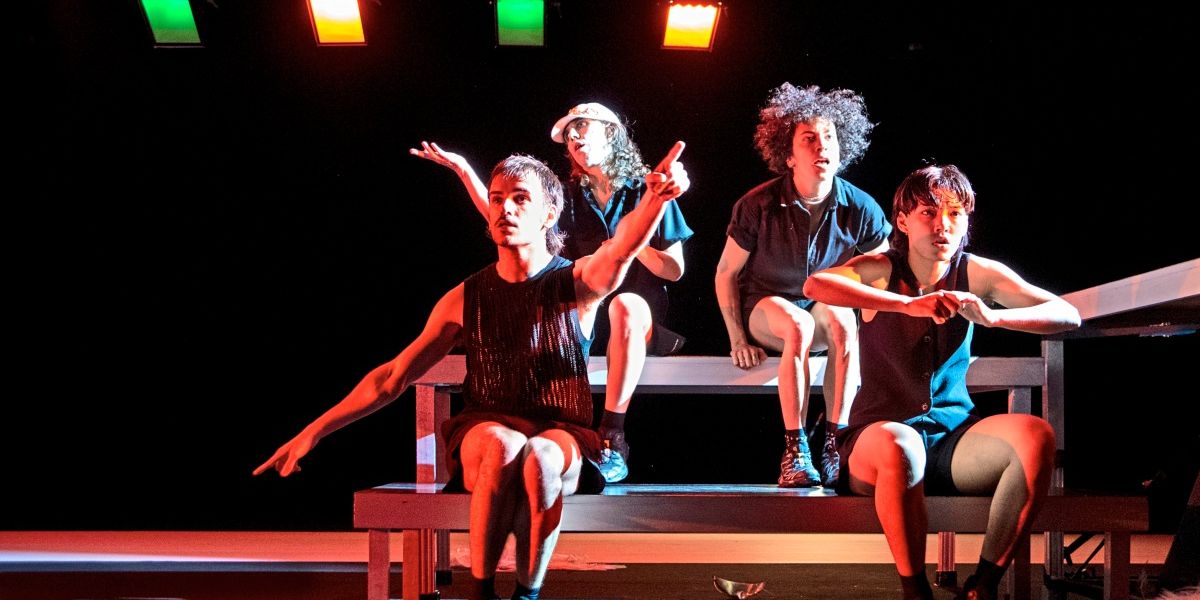
Contemporary performance art is stepping outside traditional temporal boundaries as major cultural institutions embrace extended temporalities and immersive choreography. In Vienna, major artistic showcases like the Impulstanz festival and specialized venue programming at locations such as the Kasino am Schwarzenbergplatz are challenging how audiences experience live movement and time itself, shifting away from fleeting entertainment toward sustained, immersive physical inquiry.
According to cultural programmers and festival organizers, contemporary choreography is increasingly designed to dismantle conventional time constraints. Rather than offering a brief diversion, modern productions invite spectators to dwell inside extended conceptual spaces. This aesthetic movement redefines performance art not as a transient evening out, but as a deliberate escape from the frantic pace of contemporary daily life.
Venues across European cultural capitals have steadily adapted to this shift, hosting site-specific works that stretch standard performance durations. Observers note that these artistic choices reflect a broader cultural desire to pause accelerated digital lifestyles through deep, physical storytelling. The trend emphasizes endurance, spatial awareness, and a radical rethinking of the relationship between performer and spectator.
Choreography Beyond Traditional Time Constraints
At the heart of this movement is a deliberate rejection of fast-paced consumption. Contemporary choreographers working within major European festivals construct environments where time appears to slow down or stretch indefinitely. This approach allows audiences to process physical movement on a granular level, noticing subtle shifts in tension, breath, and spatial geometry.
Dance scholars and critics point out that breaking away from conventional performance lengths transforms the viewing experience from passive observation into active contemplation. When a piece defies standard temporal limits, viewers are forced to recalibrate their own internal clocks. This technique fosters a meditative atmosphere inside traditional theater spaces, turning venues into zones of quiet resistance against modern urgency.
Institutional Spaces and Urban Performance Venues
Historic performance spaces have played a vital role in hosting these ambitious artistic experiments. Venues equipped to handle complex technical staging and large-scale spatial installations provide the necessary infrastructure for choreographers pushing structural boundaries. These physical sites act as neutral containers where time-bending concepts can unfold without architectural distraction.
Curators emphasize that site selection is critical for works dealing with temporal disruption. The juxtaposition of classical or municipal architecture with avant-garde choreography heightens the psychological effect on audiences. By situating experimental movement inside established urban cultural hubs, producers bridge the gap between niche contemporary art and broader public engagement.
Audience Impact and the Future of Live Performance
The reception of time-defying choreography highlights a growing appetite for immersive, unhurried cultural experiences. Attendees are increasingly drawn to works that demand sustained attention rather than quick gratification. This shift encourages artists to take greater risks, exploring themes of memory, endurance, and collective presence.
As festival programmers prepare upcoming seasonal lineups, the demand for boundary-pushing movement arts remains high. Cultural analysts suggest that this artistic direction will continue to influence mainstream theater and dance production, shaping how new generations engage with live performance. The focus stays fixed on creating spaces where time is not a limitation, but an active medium for creative expression.
Worth a look