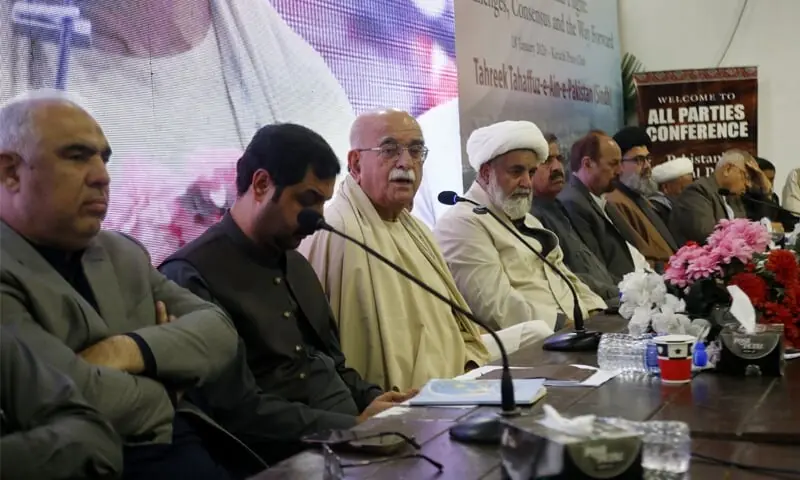
Islamabad – A coalition of opposition parties in Pakistan, the Tehreek Tahafuz Ayeen-i-Pakistan (TTAP), has issued a stark warning that any perceived negligence in the medical care of former Prime Minister Imran Khan could significantly exacerbate the country’s already fragile political climate. The alliance’s concerns, voiced during a central committee meeting held on Thursday, February 26, 2026, underscore the escalating tensions surrounding Khan’s imprisonment and the broader political landscape in Pakistan. This comes amid growing anxieties over rising terrorism, strained regional relations, and a deepening economic crisis.
The TTAP’s statement reflects a growing chorus of concern regarding the conditions of the former prime minister’s detention. The alliance is demanding immediate access to specialized medical treatment for Khan, specifically at Shifa International Hospital, and the ability for his personal physicians, including Dr. Faisal Sultan and Dr. Aasim Yusuf, to conduct a thorough examination. They are as well calling for the lifting of restrictions on Khan’s access to legal counsel and family visits. The core demand, however, remains Khan’s unconditional release, which the TTAP argues is supported by a majority of the Pakistani population. The situation is particularly sensitive given the allegations of political motivations behind Khan’s legal battles and the concerns over transparency surrounding his health.
TTAP Demands and Broad Opposition Concerns
The meeting, which took the form of an Iftar gathering at the Islamabad residence of TTAP leader Mustafa Nawaz Khokhar, drew a significant gathering of opposition figures. Attendees included National Assembly Opposition Leader Mehmood Khan Achakzai, Senate Opposition Leader Allama Raja Nasir Abbas, PTI Secretary General Salman Akram Raja, former Prime Minister Shahid Khaqan Abbasi, former National Assembly Speaker Asad Qaiser, and Sahibzada Hassan of the Sunni Ittehad Council (SIC). The breadth of representation highlights the unified front the opposition is attempting to present in response to what they perceive as a systematic crackdown on dissent and a disregard for due process. The TTAP’s concerns extend beyond Khan’s individual case, encompassing the broader issue of political prisoners and the erosion of democratic norms in Pakistan.
The alliance’s statement strongly condemned what they termed the “government’s continued illegal secrecy” surrounding Imran Khan’s health and medical treatment. They expressed grave concern over the withholding of medical reports and test results from his family, fueling fears about his condition and raising questions about the motives behind the lack of transparency. This lack of access to information, the TTAP argues, is not only a violation of Khan’s rights but also a deliberate attempt to create an atmosphere of uncertainty and distrust. The demand for a transparent and independent assessment of Khan’s health is central to their call for accountability and justice.
جو نظام حکومت لوگوں کو ڈلیور نہ کر رہا ہے لوگوں کو معاشی خوشالی ان کو نہ دے پا رہا ہو امن و امان اور بین الاقوامی طور پر ناکام ہو اس ہائبرڈ نظام سے پاکستان کے لوگوں کی بس ہو چکی ہے یہ اس طرح مزید کنٹینیو کرنا ملک کی بنیادوں کے ساتھ کھیلنے کے مترادف ہوگا اسی لیے ہمارا مطالبہ ہے…
— Tehreek-e-Tahafuz-e-Ayin-e-Pakistan (@TTAP_OFFICIAL) February 22, 2026
Broader Political and Economic Concerns
Beyond the immediate concerns surrounding Imran Khan’s health, the TTAP’s statement addressed a range of pressing issues facing Pakistan. The alliance voiced serious concerns over the “alarming increase” in terrorist attacks, particularly in Khyber Pakhtunkhwa and Balochistan, calling for a comprehensive national strategy to combat the threat. They also urged the governments of Pakistan and Afghanistan to engage in “concrete, sincere, and meaningful negotiations” to address the problem of terrorism, emphasizing the need for regional cooperation to ensure stability. The TTAP also called for engagement with neighboring countries, including Saudi Arabia and Türkiye, to seek support in addressing the security challenges.
The economic situation in Pakistan was another key focus of the TTAP’s concerns. The alliance highlighted recent figures indicating that poverty has risen to 29% and unemployment has reached a 21-year high, painting a grim picture of the country’s economic prospects. They criticized the government’s economic policies, arguing that despite claims of major economic agreements, both foreign and domestic investment have declined sharply. The TTAP pointed to the exodus of multinational companies from the Pakistani market as evidence of a deteriorating risk profile, suggesting a lack of confidence in the country’s economic stability. They pledged to present an alternative budget and a series of economic proposals in the coming months, aiming to offer concrete solutions to the economic crisis.
Regional Security and International Relations
The TTAP also expressed concerns regarding regional security, specifically cautioning against potential threats of a US attack on Iran. They argued that such a move would have devastating consequences for the region and urged the Pakistani government to play a diplomatic role in preventing any military action. The alliance further asserted that the United States and Israel are attempting to “encircle Iran and destroy and divide it through military attacks,” emphasizing the need for Pakistan to stand in solidarity with Iran to protect the region from further instability. This stance reflects a growing sentiment within Pakistan regarding the potential for escalating tensions in the Middle East and the need for a proactive diplomatic approach.
the TTAP criticized the current government’s decision to join Donald Trump’s “Board of Peace,” characterizing it as an attempt by the US to establish a non-representative alternative to the United Nations. They argued that the exclusion of Palestinians from the board exposes the “sinister intentions” behind the plan and asserted that Pakistan should not participate in such an initiative. This criticism underscores the TTAP’s commitment to multilateralism and its concerns about the potential for the US to undermine international institutions.
Calls for Release of Political Prisoners
In addition to Imran Khan, the TTAP demanded the release of other political prisoners, including Sahibzada Hamid Raza, Chairman of the Sunni Ittehad Council (SIC), as well as Bushra Bibi, Shah Mahmood Qureshi, Yasmin Rashid, Umar Sarfaraz Cheema, Ejaz Chaudhry, Ali Wazir, and Mahrang Baloch. The alliance argues that these individuals have been unjustly imprisoned and that their release is essential for restoring political stability and upholding the rule of law. The broad scope of the demands highlights the TTAP’s belief that a widespread crackdown on political opposition is underway in Pakistan.
The TTAP’s statement represents a significant challenge to the current government and underscores the growing discontent among opposition parties. The alliance’s demands for Imran Khan’s release, improved medical care, and the release of other political prisoners are likely to intensify the political pressure on the government in the coming weeks. The situation remains highly volatile, and the outcome will likely have a significant impact on the future of Pakistani politics. The TTAP has signaled its intention to continue its campaign for political reform and accountability, and further protests and demonstrations are expected.
The next key development to watch will be the outcome of any potential legal challenges regarding Imran Khan’s detention and the government’s response to the TTAP’s demands. The political climate in Pakistan remains highly charged, and the coming days and weeks will be crucial in determining the direction of the country. The TTAP’s continued pressure, coupled with the broader economic and security challenges facing Pakistan, suggests a period of continued political uncertainty.
What are your thoughts on the TTAP’s demands and the political situation in Pakistan? Share your comments below and join the conversation.
Keep reading