Imran Khan‘s Corruption Conviction: A Deep Dive into the Case and Its Implications
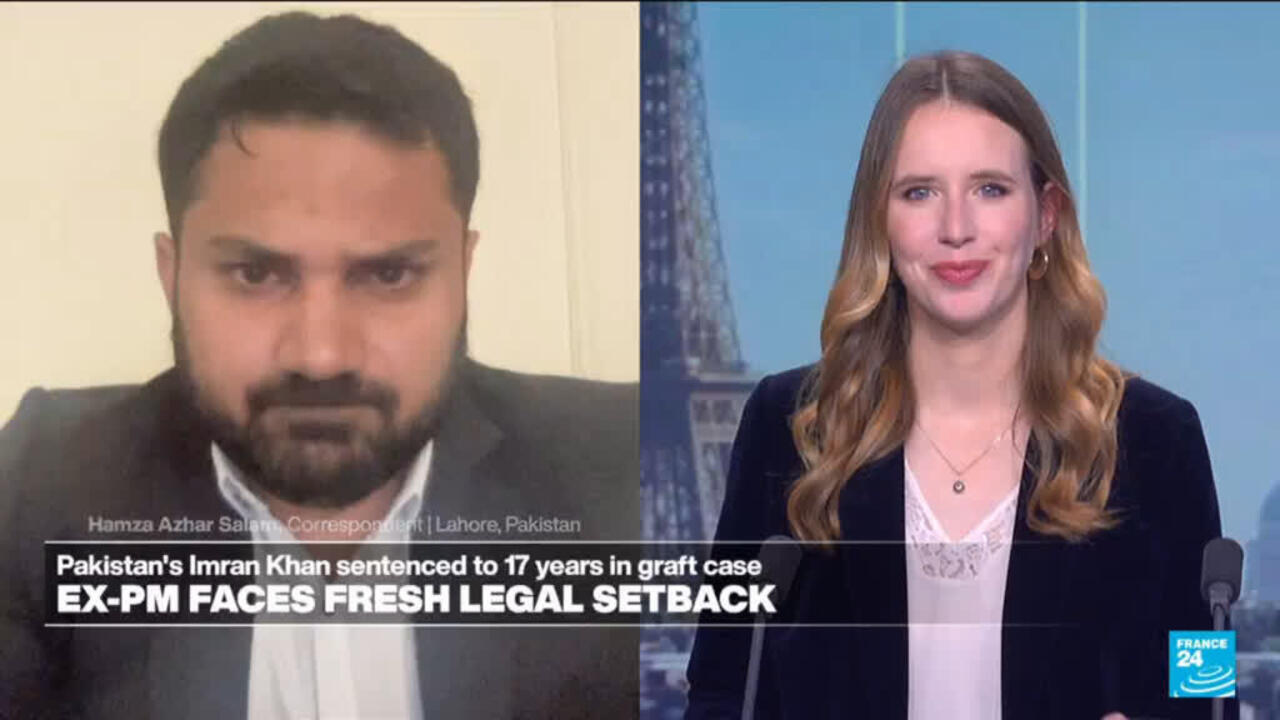
Recent events in Pakistan have once again thrust former Prime Minister Imran Khan into the spotlight.A court sentenced both him and his wife, Bushra Bibi, to 17 years in prison on Saturday, December 20th, 2024, following a conviction in a corruption case. This ruling centers around allegations of improperly acquiring and selling state gifts during Khan’s time in office. Understanding the details of this Imran Khan conviction requires a closer look at the charges, the legal proceedings, and the potential ramifications for Pakistan’s political landscape.
The Allegations: Undervalued state Gifts
The core of the case revolves around accusations that Khan and his wife retained and subsequently sold gifts received during official foreign visits. These gifts, intended for the state treasury, were allegedly acquired at undervalued prices, resulting in a financial benefit for the couple. Specifically, the charges relate to gifts including watches, jewelry, and other luxury items. The prosecution argued this constituted a misuse of public office and a violation of trust.
This isn’t an isolated incident for Khan. He is currently serving a 14-year sentence in a separate land graft case,adding to a growing list of legal challenges.
A Timeline of Events & Legal Battles
Let’s break down the key events leading to this latest sentencing:
* August 2023: Imran Khan was initially arrested and imprisoned on charges related to corruption.
* Late 2023 – Early 2024: Investigations into the state gift allegations intensified, with evidence presented to the court.
* December 20, 2024: The court delivered its verdict, sentencing Khan and Bibi to 17 years each.
* Ongoing: Khan’s legal team has vowed to appeal the decision, citing political motivations behind the charges.
The legal proceedings have been marked by controversy, with Khan and his supporters alleging a politically motivated witch hunt designed to prevent him from participating in upcoming elections. These claims have fueled further political polarization within Pakistan.
Understanding the Charges: Toshakhana & Corruption Laws
The case specifically centers around the Toshakhana – the state depository in Pakistan where gifts received by government officials are stored. According to Pakistani law, officials can purchase these gifts at a discounted rate. However, the prosecution alleges Khan did not fully disclose the value of the gifts and illegally profited from their sale.
Several legal experts have pointed to potential ambiguities in the existing laws regarding the Toshakhana, raising questions about the fairness and clarity of the charges.This has led to debates about the need for legislative reform to prevent similar controversies in the future. Related terms include political imprisonment, state asset misappropriation, and graft allegations.
Implications for Pakistan’s Political Future
This Imran Khan sentencing has meaningful implications for Pakistan’s political landscape. Khan remains a popular figure, and his imprisonment has galvanized his supporters. The upcoming elections are now even more uncertain, with questions surrounding the eligibility of Khan and his party to participate.
Recent data from a Gallup Pakistan poll (November 2024) indicates that despite his legal troubles, approximately 35% of respondents still view Khan favorably. This demonstrates his enduring influence, even from behind bars. The situation could potentially lead to increased political instability and further erosion of public trust in the government.
What Happens next? Appeals and Potential outcomes
Khan’s legal team is preparing to file an appeal with higher courts. The appeal process could take months, or even years, to resolve. Potential outcomes include:
* Upholding the conviction: The higher courts could confirm the original sentence.
* Reducing the sentence: The courts could reduce the length of the prison term.
* Overturning the conviction: The courts could acquit Khan and Bibi, dismissing the charges.
Regardless of the outcome, this case will likely continue to dominate Pakistani politics for the foreseeable future. The situation highlights the complex interplay between law,
Worth a look