exploring the Potential of Psychedelic-Assisted Therapy for Veterans: A Look at ”In Waves and War”
“in Waves and War,” now streaming on Netflix, dives into the burgeoning field of psychedelic-assisted therapy, specifically its request to treating PTSD in veterans. The documentary follows a clinical trial utilizing MDMA and psilocybin – substances historically stigmatized, but now undergoing rigorous scientific examination – to address deeply ingrained trauma. But how much does the film truly illuminate the science, and how effectively does it convey the experiences of those bravely participating?
This review will delve into the film’s strengths and weaknesses, offering a critical viewpoint on its portrayal of this complex and promising therapeutic approach. We’ll explore the science behind the treatment, the powerful testimonies of the veterans involved, and the film’s overall effectiveness in communicating this crucial story.
The Science: Promising,but Presented with Caution
The film highlights the work of the Multidisciplinary Association for Psychedelic Studies (MAPS) and the Brain Stimulation lab,organizations at the forefront of researching these therapies.While “In Waves and war” doesn’t deeply dissect the cognitive science,it relies on expert interviews to suggest efficacy.
However, it’s crucial to understand that this is still research.The film acknowledges this, but leans heavily on the authority of scientists with extraordinary credentials rather than a detailed explanation of the neurological mechanisms at play. You’ll see interviews, but a deeper dive into how these substances impact the brain would strengthen the scientific foundation presented.
The Power of Personal Testimony
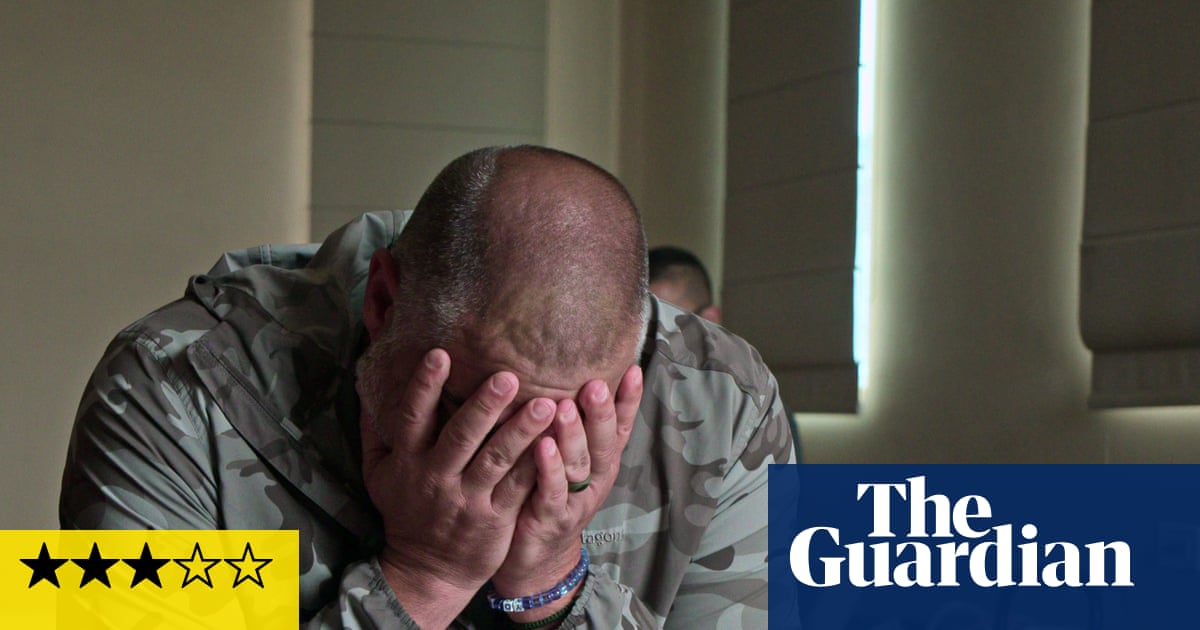
Where the documentary truly shines is in the raw, honest accounts of the veterans themselves. Six men share their struggles with PTSD, often linked to childhood trauma that predates their military service. Their willingness to discuss their pain, suicidal ideation, and the desperate search for relief is profoundly moving.
These aren’t actors portraying suffering; these are real people bravely confronting their demons.Their stories are the emotional core of the film, and arguably its most persuasive element. You’ll find yourself deeply invested in their journeys.
Visualizing the Internal Landscape
Psychedelic experiences are, by their nature, intensely personal and tough to convey. “In Waves and war” sidesteps the potential for sensationalism by opting for tasteful animation to represent the internal journeys of the participants.
These visuals depict swirling memories and emotional landscapes, offering a glimpse into the chaotic inner world of someone experiencing a breakthrough. A notably memorable scene shows a soldier revisiting hours spent watching “Malcolm in the Middle,” a surprisingly poignant detail that underscores the often-unexpected nature of trauma and memory.
A Somber Tone, Amplified by Music
The film’s emotional weight is further emphasized by its musical score.Predominantly featuring melancholic, Philip Glass-inspired violin chords, the music reinforces the cyclical nature of pain and the long road to recovery. While effective in creating a somber atmosphere, it occasionally feels repetitive and risks overshadowing the nuances of the veterans’ stories.
Key Takeaways & Considerations
* Psychedelic-assisted therapy is not a quick fix. It’s a carefully structured process involving preparation, guided sessions, and integration therapy.
* Childhood trauma frequently enough plays a notable role. Many veterans found that addressing past wounds was crucial to healing their PTSD.
* The research is ongoing. While promising, these therapies are not yet widely available and require further investigation.
* The film prioritizes emotional impact over scientific detail. This makes it accessible, but may leave some viewers wanting a more in-depth understanding of the science.
Where to Find Help
If you or someone you know is struggling with PTSD or suicidal thoughts, please reach out for help. Hear are some resources:
* Samaritans (UK & Ireland): Freephone 116 123, [email protected] (UK), [email protected] (Ireland)
* 988 Suicide & Crisis Lifeline (US): Call or text 988, or chat at 988lifeline.org
* Lifeline (Australia): 13 11 14,