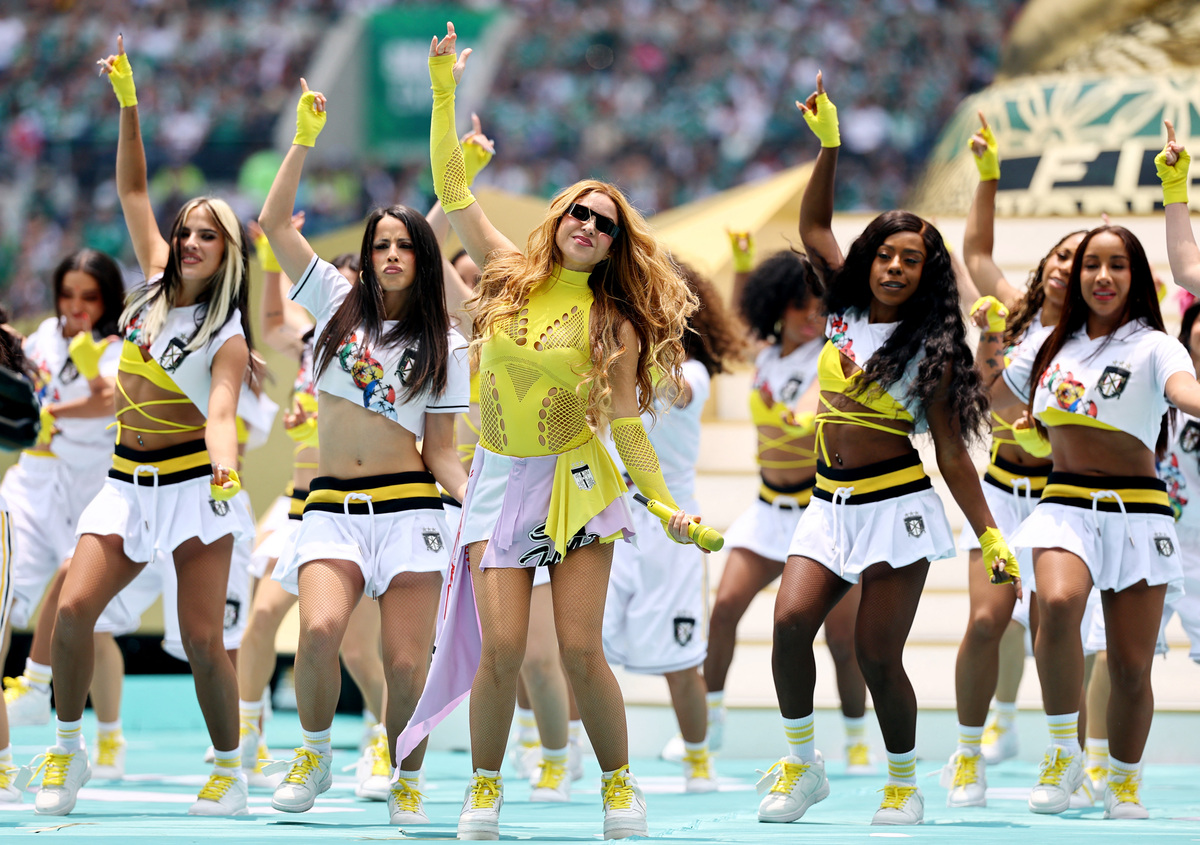
The 2026 FIFA World Cup officially commenced on June 11, 2026, at the Estadio Azteca in Mexico City, featuring a high-profile opening ceremony that highlighted regional cultural contributions alongside global musical performances. The event, which serves as the curtain-raiser for the first-ever tri-nation tournament hosted by Mexico, Canada, and the United States, saw performances from international artists including Shakira and regional acts such as Maná and Lila Downs. According to official FIFA match schedules, the ceremony preceded the tournament’s inaugural match, setting the stage for a month-long competition involving 48 teams for the first time in tournament history.
The selection of the Estadio Azteca as the host for the opening match carries historical significance, as the venue becomes the first stadium to host opening games in three different editions of the FIFA World Cup, having previously done so in 1970 and 1986. FIFA confirmed the venue selection as part of its broader strategy to utilize iconic stadiums across the three host nations, with the final scheduled to take place at MetLife Stadium in New Jersey, as detailed in the official FIFA tournament documentation.
Cultural Performances and Ceremony Details
The opening ceremony focused on a blend of Mexican heritage and modern pop music. Lila Downs, a Grammy-winning artist known for incorporating indigenous Mexican musical styles, performed alongside the rock band Maná. Their inclusion was intended to emphasize the host nation’s artistic identity. According to reports from regional media, the production sought to balance the festive atmosphere of a global sports tournament with the cultural gravity of the host venue. Shakira, a long-time fixture of FIFA World Cup musical programming, performed a set that included some of her most recognized tracks, bridging the gap between Latin American audiences and the tournament’s global viewership.


While the performances drew significant attention, the ceremony itself was noted for its adherence to a neutral, professional tone, a departure from some of the more elaborate or controversial productions seen in previous decades. Observers noted that the choreography and visual displays were centered on themes of unity and the collaborative nature of the 2026 host countries. As noted by the FIFA media center, the logistics for the opening of such a large-scale tournament require precise coordination between local organizing committees and the international governing body to ensure that the pitch remains suitable for the opening match immediately following the festivities.
Logistics of a Tri-Nation Tournament
The 2026 World Cup represents a significant expansion in scale, with 104 matches scheduled across 16 cities in North America. This expansion from the previous 32-team format to 48 teams has introduced new logistical requirements, including increased travel demands for teams and fans. The U.S. Department of Justice and other regulatory bodies have maintained oversight regarding the bidding and preparation processes to ensure compliance with international anti-corruption standards throughout the event’s lifecycle.
For fans, the tournament presents a complex travel landscape. With matches spread across three countries, the tournament organizers have launched integrated digital platforms to manage ticketing and travel logistics. According to the FIFA ticketing portal, all sales are processed through centralized systems to prevent fraud and manage the high volume of applications for group-stage and knockout matches.
What Happens Next in the Tournament
Following the opening match at the Estadio Azteca, the tournament shifts into a busy group-stage schedule. Teams are divided into 12 groups of four, with the top two teams from each group, along with the eight best third-placed teams, advancing to the Round of 32. This format ensures that teams play a minimum of three matches, providing more opportunities for smaller nations to compete on the global stage.
The next major checkpoint for the tournament will be the conclusion of the group stage, which is slated to run through late June. FIFA is expected to provide daily updates on match results, disciplinary actions, and injury reports via its official digital news feed. Fans looking for the latest information on match schedules or stadium access policies are encouraged to check the official FIFA website regularly. We invite our readers to share their thoughts on the opening ceremony and their predictions for the tournament in the comments section below.