India Deepens Defense Ties with Russia Despite Western Concerns: A Shift Towards Joint Production
New Delhi, December 17, 2025 – In a move signaling a recalibration of its long-standing defence strategy, india is actively pursuing deeper collaboration with Russia, evidenced by a series of previously unreported meetings held in Moscow this year. These discussions, involving executives from leading Indian arms manufacturers including Adani Defence and Bharat Forge, point towards a strategic shift from simply procuring Russian arms to joint research, advancement, and co-production of advanced defence technologies. This development comes amidst ongoing geopolitical tensions stemming from the conflict in Ukraine and increasing Western pressure on India to diversify its arms sourcing.
For decades, Russia has been India’s primary defence supplier, accounting for approximately 36% of India’s military hardware. Tho, the evolving global landscape and Prime Minister Narendra Modi’s ”Make in India” initiative – aimed at transforming the nation into a global manufacturing hub – are driving a desire for greater self-reliance and technological transfer.This latest move suggests India is seeking to achieve both goals concurrently, leveraging its relationship with Russia while navigating the complexities of Western partnerships.
Rare Meetings Signal Intent
The meetings in Moscow took place during the first visit by Indian defence business leaders to Russia since the 2022 invasion of Ukraine, and were held on the sidelines of a Defence Production Secretary-led delegation (October 29-30) preparing for President Vladimir Putin’s December visit to india. Sources familiar with the matter reveal that at least half a dozen executives participated, exploring potential joint ventures focused on bolstering India’s domestic defence capabilities.
Discussions centered on several key areas, including:
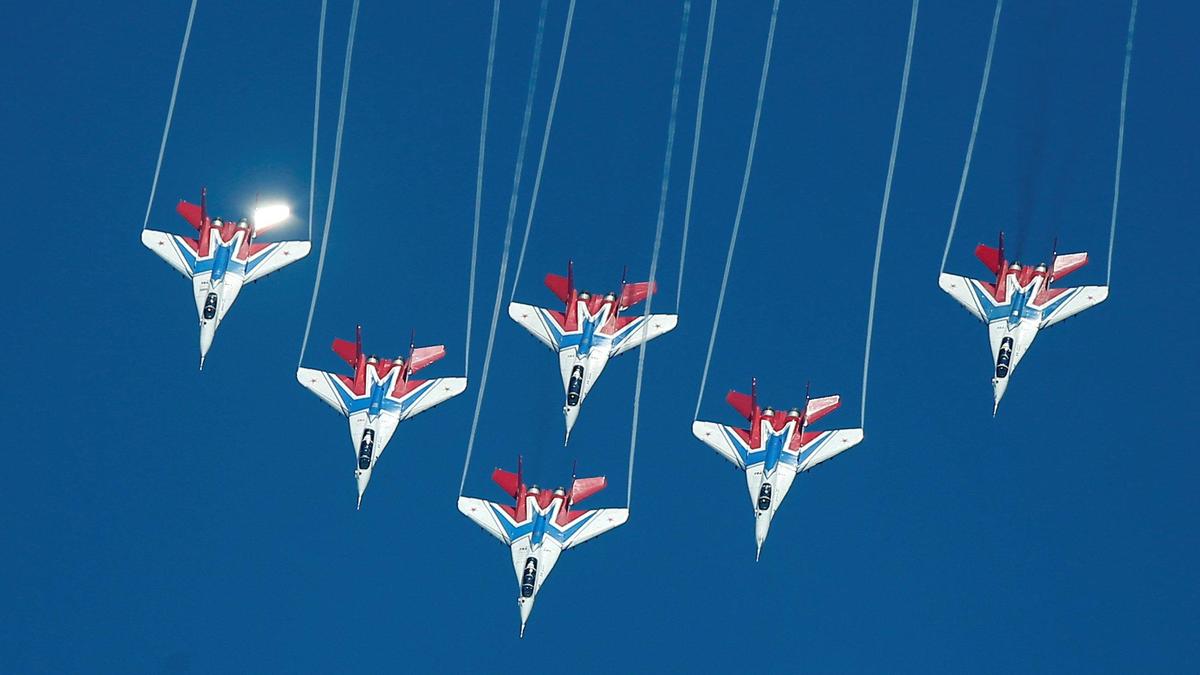
* Manufacturing of Spares: Production of critical components for existing Russian-origin platforms like the mikoyan MiG-29 fighter jet and various air defence systems. This addresses a critical need for maintaining operational readiness of India’s substantial Russian-equipped military.
* Production Units in India: A Russian proposal to establish manufacturing facilities within India, not only to support domestic requirements but also to potentially export equipment to Russia – a meaningful reversal of the traditional arms flow.
* Component Sourcing & Future Collaboration: Exploration of joint development and sourcing of components for Russian tanks and aircraft, with potential expansion into helicopter technology.
Key Players Involved
While spokespeople for Adani Group and Bharat Forge have denied direct executive participation,sources confirm representation from:
* Adani Defence and Aerospace: CEO Ashish Rajvanshi reportedly attended,indicating the conglomerate’s interest in expanding its role in the defence sector through collaboration with Russia.
* Bharat Forge (Kalyani Group): An executive participated,focusing on sourcing and co-development of components for Russian platforms.
* Society of Indian Defence Manufacturers (SIDM): Representation from this influential advisory group, encompassing over 500 Indian arms and military equipment manufacturers, including Tata Sons, Larsen & Toubro, and Bharat Electronics, underscores the broad industry interest.
Navigating the Sanctions Landscape & Western Concerns
This renewed engagement with Russia isn’t without its challenges. Western diplomats have consistently highlighted India’s reliance on Russian arms as a barrier to the transfer of sensitive military technology. the concern stems from potential interoperability issues and the risk of undermining Western efforts to isolate Russia.
Moreover, the risk of secondary sanctions looms large. Recent reports indicate that a Bharat Forge subsidiary was involved in the export of artillery shells to Europe, some of which were allegedly diverted to Ukraine, prompting a diplomatic protest from Moscow.
“Indian firms would be hesitant about striking new deals with russia due to the risk of secondary sanctions,” stated an Indian executive, speaking on condition of anonymity. While India can leverage diplomatic channels to mitigate some of these risks, companies are ultimately responsible for assessing and managing the political and financial implications.
A Strategic Balancing Act
India’s approach represents a delicate balancing act. The nation recognizes the need to maintain its operational readiness with existing Russian equipment while simultaneously pursuing partnerships with Western defence firms to access cutting-edge technology. The shift towards joint development and co-production with Russia is, therefore, a pragmatic attempt to achieve both objectives.
During President Putin’s visit, both countries affirmed their commitment to “joint research and development, co-development and co-production of advanced defence technology and systems,” solidifying this new phase in their defence relationship.
Looking Ahead
The coming months will be crucial in determining the extent of this collaboration. Successful implementation of joint ventures will require navigating complex geopolitical considerations, addressing potential sanctions risks, and ensuring the transfer of meaningful technology to India. However, the recent meetings in Moscow clearly demonstrate India’s determination to forge a new path in its defence strategy – one that prioritizes self-reliance, technological advancement, and a
Worth a look