
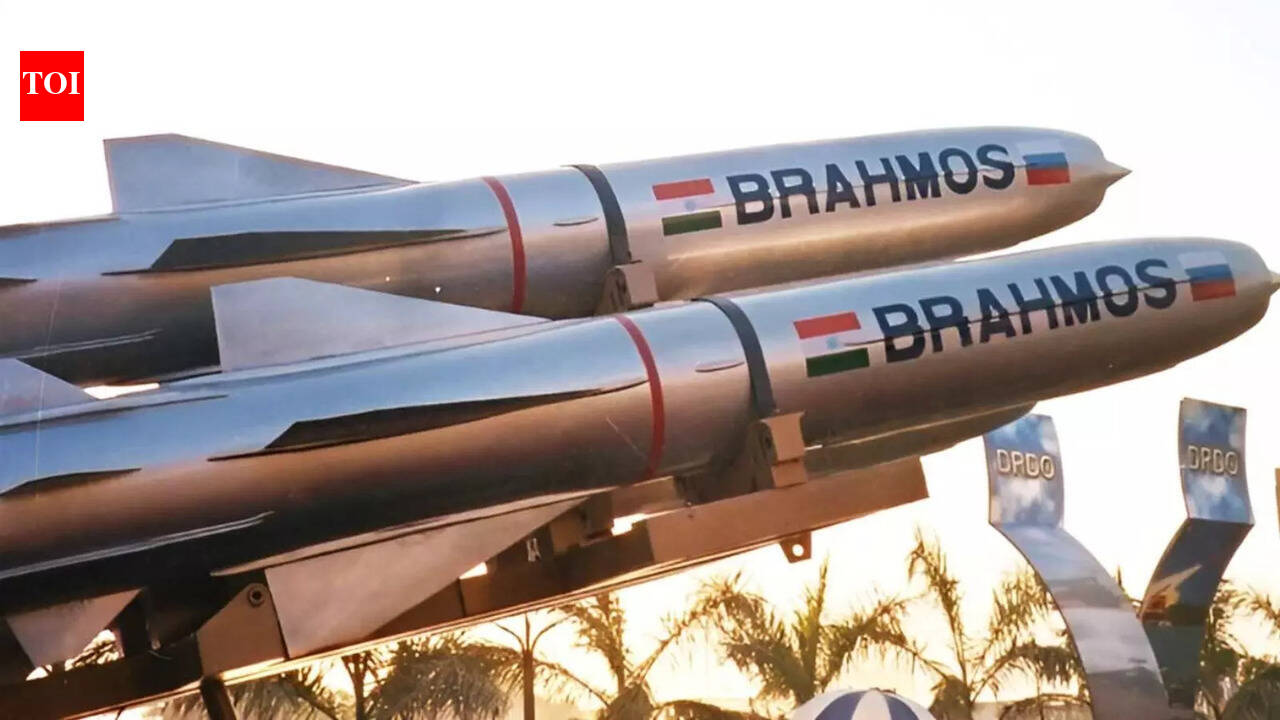
As the geopolitical landscape in the Indo-Pacific undergoes a significant shift, India is rapidly cementing its position as a major defense exporter. Recent reports regarding the BrahMos supersonic cruise missile deal with Vietnam underscore New Delhi’s growing strategic footprint in Southeast Asia. While high-level discussions have been ongoing for years, the focus has now turned toward the operationalization of these partnerships, with Indonesia emerging as a key next-step in India’s regional defense diplomacy.
I have spent over 14 years covering international affairs, and We see rare to see such a deliberate, phased approach to defense integration. The BrahMos, a joint venture between India’s Defence Research and Development Organisation (DRDO) and Russia’s NPO Mashinostroyeniya, represents one of the most potent tactical weapons systems in the region. Its supersonic speed and precision strike capabilities make it a sought-after asset for nations seeking to bolster their maritime deterrence in the contested waters of the South China Sea, and beyond.
Strategic Expansion in the Indo-Pacific
The push to export the BrahMos missile system is not merely a commercial endeavor. it is a cornerstone of India’s “Act East” policy. By providing advanced military hardware to regional partners, India is effectively creating a network of security-aligned nations that share concerns regarding maritime sovereignty and regional stability. According to the Ministry of External Affairs of India, the strategic partnership between India and Vietnam has deepened significantly, with defense cooperation forming a vital pillar of their bilateral engagement.
The BrahMos system, which can be launched from ships, submarines, aircraft, or land platforms, provides a versatile solution for nations with diverse geographical challenges. Vietnam, which maintains a long coastline and has significant maritime interests, has long been identified by analysts as a logical fit for the system. While official confirmation of specific contract signings is often handled with extreme discretion due to the sensitivity of defense procurement, the broader trend of India-Vietnam military cooperation is well-documented by the International Institute for Strategic Studies (IISS) in their annual Military Balance assessments.
Indonesia and the Path Toward Finalization
Indonesia represents a different, yet equally significant, frontier for Indian defense exports. As the largest economy in Southeast Asia, Jakarta has been modernizing its armed forces to protect its vast archipelago. Reports have indicated that discussions between Indian and Indonesian officials regarding the potential procurement of BrahMos missiles have matured significantly over the past 24 months. These talks, often held on the sidelines of major security summits, are focused on technical integration and long-term maintenance support.
Unlike some other regional players, Indonesia’s defense procurement process is highly methodical, requiring rigorous oversight and parliamentary approval. The potential sale is viewed by regional observers as a move by Jakarta to diversify its defense suppliers, moving away from a reliance on traditional Western or Russian equipment. Following the successful delivery of the BrahMos system to the Philippines—the first export customer for the missile—the pathway for Indonesia has become clearer, as the integration protocols have been tested and standardized for international clients.
Key Factors Driving Regional Demand
- Maritime Deterrence: The need for rapid-response systems to monitor and protect Exclusive Economic Zones (EEZ).
- Technological Versatility: The BrahMos’s ability to be deployed across multiple platforms (land, sea, air).
- Supply Chain Security: India’s emergence as a reliable, non-Western alternative for high-end military technology.
- Regional Stability: A shared interest among Southeast Asian nations in maintaining a rules-based order in the Indo-Pacific.
The Role of the Shangri-La Dialogue
The Shangri-La Dialogue, held annually in Singapore, serves as the premier forum for defense ministers and military chiefs to address regional security challenges. It is in this venue that the nuances of defense diplomacy are often articulated. While public statements at such events are carefully calibrated, they provide the necessary signal to the global market that bilateral defense arrangements are moving from the negotiation phase to the implementation phase.

For India, leveraging these dialogues is crucial. By engaging in transparent, high-level discussions, New Delhi minimizes the risk of regional friction while maximizing the impact of its defense exports. The discussions surrounding missile technology are not just about hardware; they are about the long-term commitment to shared security interests. As reported by the Stockholm International Peace Research Institute (SIPRI), India’s efforts to increase its defense exports are part of a broader national goal to reach $5 billion in annual defense exports by the mid-2020s, a target that necessitates successful partnerships with nations like Vietnam and Indonesia.
What Happens Next?
For observers and stakeholders, the next major milestone will be the formal announcement of joint training exercises and technical handover protocols between India and its new partners. These steps are essential to ensure the operational readiness of the BrahMos systems. The global defense community will be watching for any follow-up agreements that might include collaborative research or local assembly, which would signify a deeper level of trust and integration.
As these developments unfold, the focus remains on regional stability and the modernization of maritime security architectures. I will continue to monitor official statements from the Indian Ministry of Defence and the respective foreign ministries of Vietnam and Indonesia for further updates on these procurement timelines. We invite our readers to share their perspectives on the shifting balance of power in the Indo-Pacific in the comments section below.