
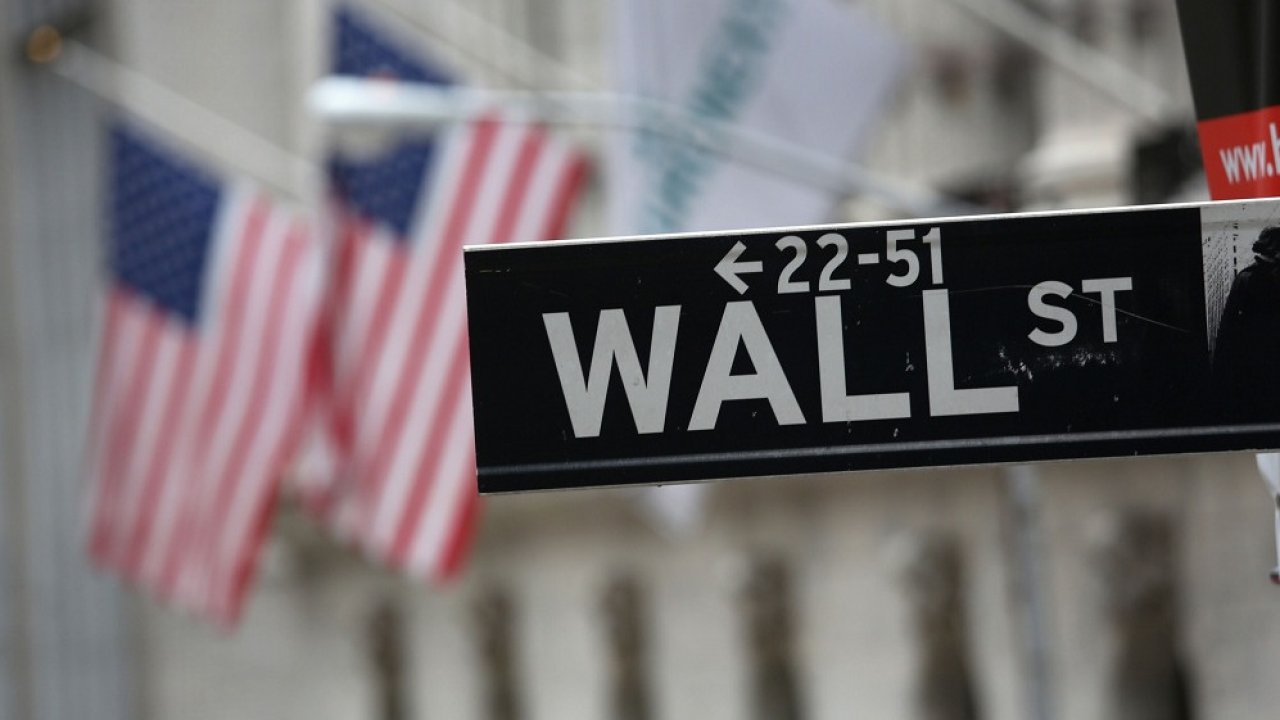
Wall Street has recently navigated a complex landscape of market optimism and geopolitical caution, with investors closely monitoring the interplay between corporate performance and international relations. As equity markets reached record highs, the prevailing sentiment among traders remains sensitive to developments in global policy, particularly regarding diplomatic discussions involving the United States and Iran. While the prospect of a breakthrough in international relations often influences commodity prices and risk appetite, current market behavior reflects a broader, multifaceted approach to asset valuation.
In recent trading sessions, the focus on U.S. Markets has been driven by a combination of robust corporate earnings reports and the ongoing assessment of macroeconomic headwinds. Notably, companies like Micron Technology have played a significant role in guiding market sentiment. Following the release of its quarterly financial results, Micron saw its share price surge—a move that underscored the high demand for memory chips in an era of rapid artificial intelligence adoption. According to the company’s official fiscal report, the company experienced substantial revenue growth, providing a tangible catalyst for investors looking past geopolitical uncertainties.
The broader indices, including the S&. P 500 and the Nasdaq, have shown resilience even as analysts debate the potential impact of a formal U.S.-Iran agreement. Historical market data suggests that while geopolitical tensions can create short-term volatility in oil prices and energy stocks, the underlying momentum of the U.S. Economy—anchored by consumer spending and technological innovation—often serves as a stabilizing force. Investors are currently weighing these risks against the backdrop of Federal Reserve policy, which remains a primary driver of long-term capital allocation.
Corporate Performance as a Market Anchor
While headlines frequently focus on the potential for geopolitical shifts, the reality of market movement is often found in the boardroom. The recent performance of the semiconductor sector serves as a prime example of how company-specific news can override broader macroeconomic concerns. When Micron Technology announced its optimistic outlook, it signaled to the market that despite concerns regarding global supply chains and international trade, the fundamental value proposition of the tech sector remains intact.

Investors are increasingly looking for companies that demonstrate strong balance sheets and clear paths to profitability. According to the U.S. Securities and Exchange Commission (SEC) filings, institutional interest in high-growth technology stocks has remained steady throughout the current quarter. This suggests that while traders maintain a watchful eye on Washington and the potential for new international agreements, they are not retreating from the market. Instead, they are prioritizing companies that have shown an ability to navigate the complexities of a globalized economy.
Geopolitical Sentiment and Market Volatility
The discussion surrounding a potential U.S.-Iran agreement remains a point of interest for energy analysts and currency traders. Historically, any easing of sanctions or the formalization of trade agreements involving oil-producing nations leads to speculation regarding global energy supply. If an agreement were to materialize, the potential increase in oil exports could theoretically lead to a decrease in global energy prices. However, market participants are cautious about over-interpreting these signals, as the diplomatic path between the two nations has historically been characterized by prolonged negotiations and intermittent setbacks.
For the average investor, this environment highlights the importance of diversification. As reported by the International Monetary Fund in their latest World Economic Outlook, global growth remains uneven, and geopolitical friction continues to be a primary risk factor for international trade. Market participants are advised to focus on long-term fundamentals rather than reacting to daily news cycles. The resilience of U.S. Indices suggests that the market is currently pricing in a “wait-and-see” approach, where the potential for a diplomatic breakthrough is viewed as a secondary factor compared to earnings growth and interest rate policy.
What Investors Should Watch Next
Looking ahead, the market will likely focus on three key areas to gauge future movement:

- Federal Reserve Policy Updates: Market participants are closely awaiting the next Federal Open Market Committee (FOMC) meeting, where interest rate decisions will be finalized. Official schedules and meeting minutes can be tracked through the official Federal Reserve website.
- Corporate Earnings Season: As the quarter concludes, the focus will shift to the broader earnings season, where companies across various sectors will provide updated guidance for the coming year.
- International Diplomatic Filings: Any formal updates regarding U.S. Policy will likely be disseminated through official channels such as the U.S. Department of State, which remains the authoritative source for any changes in diplomatic status.
The current market climate is a testament to the sophistication of modern investors who are adept at balancing geopolitical concerns with corporate reality. While the prospect of a U.S.-Iran agreement continues to occupy news cycles, the underlying strength of the U.S. Corporate sector—as evidenced by the performance of leaders in the semiconductor and tech industries—remains the primary engine of growth. As we head into the next quarter, the key for market participants will be to distinguish between short-term geopolitical noise and the long-term trends that actually move the needle on asset prices.
We invite our readers to share their perspectives on these market developments in the comments section below. How are you adjusting your portfolio in light of current international developments? We look forward to a robust discussion on the future of global market trends.