
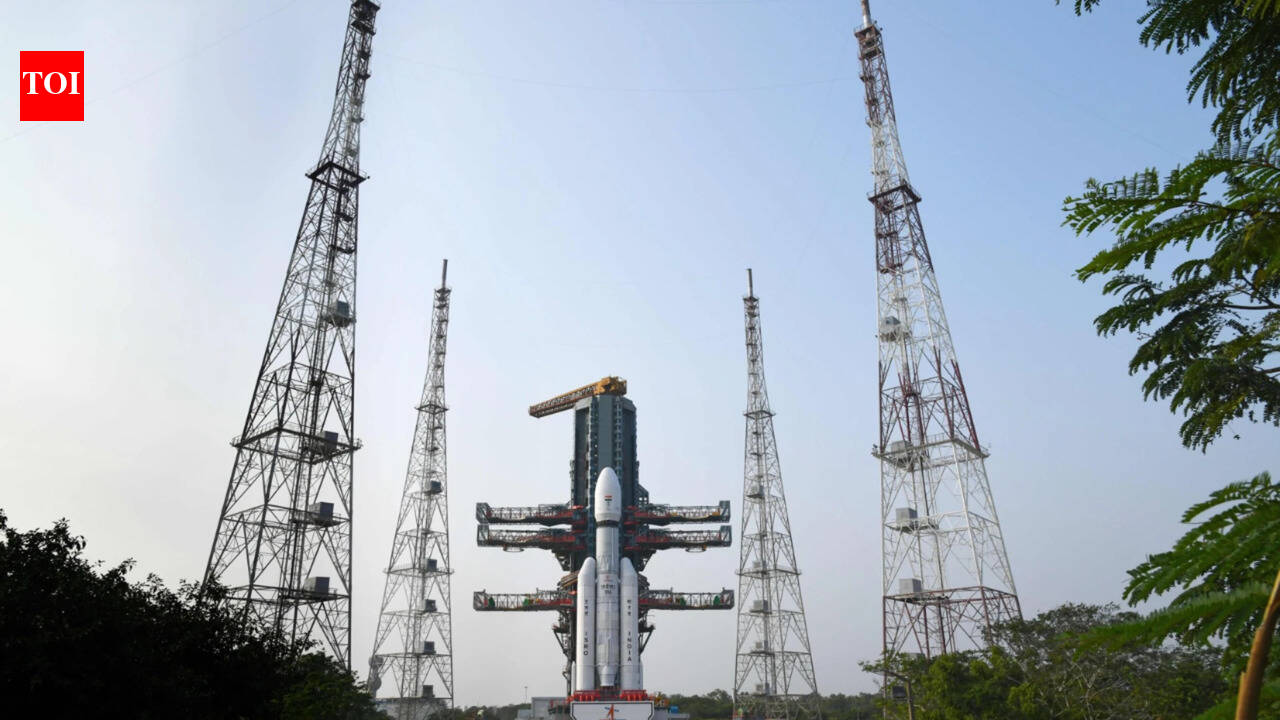
India is moving to significantly expand its military space capabilities, initiating a large-scale project to deploy a 52-satellite surveillance constellation by 2029. This strategic effort, often referred to as the Space-Based Surveillance Phase-III (SBS-3) program, represents a major shift in how the nation intends to monitor its borders and secure its interests in an increasingly competitive orbital environment.
As the global geopolitical landscape shifts toward the high-ground of space, India’s move is widely interpreted as a response to evolving security challenges along its northern and western frontiers. By integrating advanced night-time imaging and high-resolution surveillance, the project aims to bolster national security through enhanced situational awareness. The initiative is set to be executed through a combination of state-led efforts and an expanding private sector, reflecting a broader trend of public-private partnership in modern defense infrastructure.
Strategic Rationale and Operational Goals
The core objective of the 52-satellite grid is to provide persistent, multi-layered monitoring of terrestrial threats. According to official defense policy documents, the integration of these assets into a unified military space doctrine is designed to move beyond traditional ground-based intelligence, surveillance, and reconnaissance (ISR) methods. By utilizing a constellation of satellites, the Indian armed forces aim to reduce reliance on external data providers and ensure operational independence.

The program is specifically focused on addressing the challenges of monitoring mountainous terrain and high-altitude regions. Advanced imaging technology is expected to provide critical data regardless of lighting conditions, a capability that historically hampered surveillance operations. The deployment will be phased, with the initial satellites scheduled to test core communication and imaging protocols before full-scale integration occurs over the next several years.
The Role of the Private Sector
A distinctive feature of this program is the active involvement of India’s private space industry. The government has increasingly looked to domestic aerospace startups and established manufacturing firms to accelerate the development and launch of satellite buses and payload components. This policy is consistent with the broader “Atmanirbhar Bharat” (Self-Reliant India) initiative, which seeks to reduce defense imports and foster local technological innovation.

By leveraging private-sector efficiency, the program intends to reduce the per-unit cost of the constellation while simultaneously building a robust industrial base capable of maintaining and upgrading the network over its operational lifespan. This shift toward a “space-based surveillance grid” is also intended to improve secure communications for tactical units, ensuring that intelligence gathered in orbit can be transmitted directly to commanders in the field with minimal latency.
Geopolitics of the Orbital Domain
The decision to deploy a 52-satellite constellation arrives as major global powers are treating space as a critical theater for national security. The ability to track military movements in real-time has become a benchmark for modern military readiness. For India, the primary driver remains the stabilization of its immediate neighborhood, where territorial disputes have historically required intensive monitoring efforts.
While the project is framed as defensive, its scale and capabilities are likely to influence the regional strategic calculus. By hardening its space assets against interference and improving its “space situational awareness,” India is positioning itself to be a key player in the Indo-Pacific, ensuring that it can protect its infrastructure from potential anti-satellite threats or signal disruption efforts.
Looking Ahead: Implementation Timeline
The rollout of the satellite constellation is expected to occur in incremental stages. While the full deployment is targeted for completion by 2029, the immediate focus remains on the successful launch and validation of the first batch of satellites. Observers expect that the Indian Space Research Organisation (ISRO) will play a pivotal role in the launch logistics, though private launch providers are expected to play an increasingly prominent role as the program matures.

As the program progresses, stakeholders will be looking for updates regarding the budget allocation and the specific technological benchmarks for each launch phase. The government has indicated that the total financial outlay for the SBS-3 program is estimated at approximately ₹26,000 crore, a figure that underscores the scale of the commitment to modernized national security infrastructure.
For those tracking these developments, official updates will continue to emerge through the Ministry of Defence and ISRO’s public communications channels. As the first launch milestones approach, further details regarding the satellite specifications and their integration into existing military command-and-control systems are expected to be disclosed in forthcoming parliamentary briefings.
We welcome your thoughts on the evolving role of space technology in regional security. Please share this article and join the discussion below.