
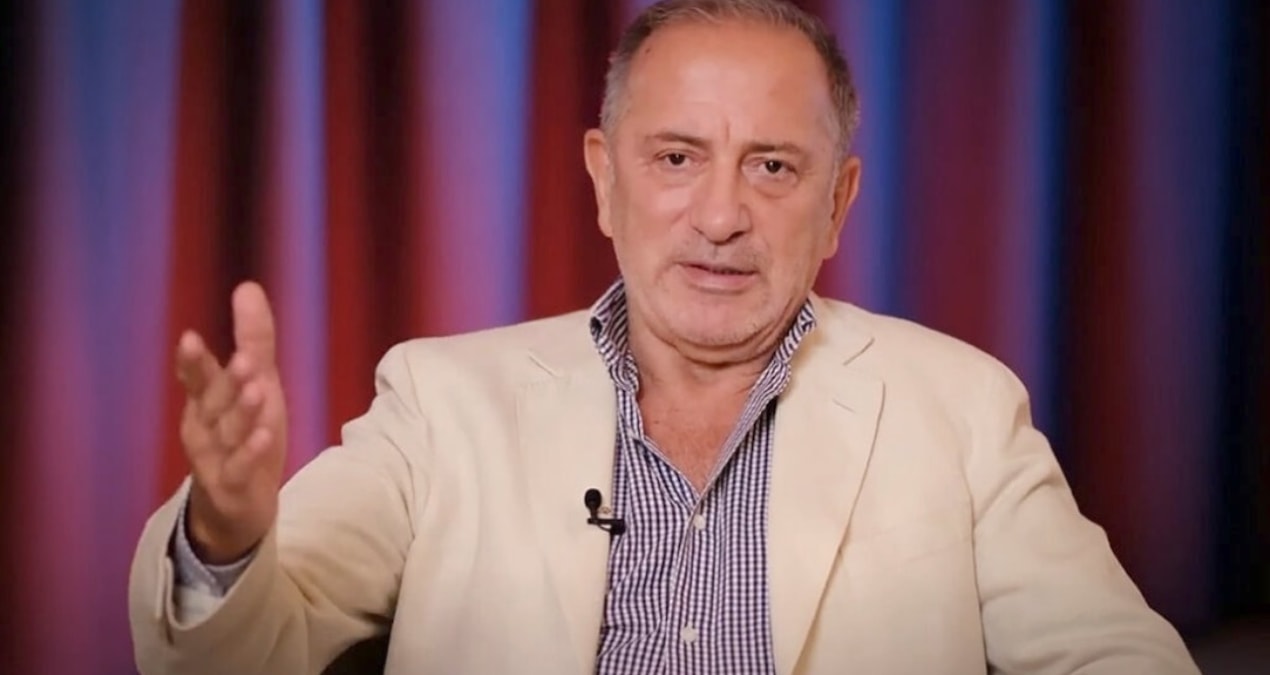
In the evolving landscape of Turkish media and legal accountability, the professional trajectory of prominent journalist Fatih Altaylı has recently drawn significant public attention. Following a period of legal scrutiny and a subsequent departure from traditional editorial platforms, Altaylı’s recent decisions regarding his career path have sparked a broader conversation about the shifting dynamics of independent digital journalism in Turkey.
The intersection of legal challenges and professional transitions is a recurring theme for high-profile figures in the Turkish media sector. As observers note, the transition from legacy media environments to independent digital outlets often mirrors the broader pressures facing the press in the 21st century. For Altaylı, these developments follow a period marked by judicial proceedings, which have become a defining feature of the contemporary media environment in Turkey.
Navigating Legal Scrutiny and Professional Shifts
The legal environment in Turkey, particularly regarding the press and freedom of expression, remains a complex arena. Journalists frequently navigate statutes that govern public discourse, with various legal actions serving as touchstones for broader debates on judicial independence and the role of the media. According to Human Rights Watch reports on Turkey, the judiciary is often a primary venue where political and media-related tensions are contested, impacting how journalists choose to continue their work.
For Altaylı, the decision to pivot his professional output has been interpreted by many as a pragmatic response to these systemic pressures. By moving away from conventional outlets, he has joined a growing cadre of Turkish journalists who utilize personal platforms to maintain their editorial voice. This shift is not merely a change in medium; it represents a strategic repositioning in an era where traditional media houses are subject to stringent oversight and ownership structures that can influence editorial independence.
The Rise of Digital Journalism in Turkey
The digital migration of established voices has fundamentally altered how news is consumed in Turkey. Platforms such as YouTube and independent news portals have become vital hubs for analysis that might otherwise be filtered or omitted in mainstream broadcasts. As noted by the Reporters Without Borders (RSF) 2024 World Press Freedom Index, Turkey continues to face significant challenges regarding media pluralism, leading many to seek alternative digital spaces for information that is perceived as unfiltered.
This digital transition allows for a direct relationship between journalists and their audience, bypassing the traditional gatekeepers of Turkish media. However, this model is not without its own set of hurdles, including the potential for digital-specific legal actions and the necessity of building sustainable, independent funding models. The sustainability of such platforms remains a key question for the future of democratic discourse in the country.
What This Means for the Media Landscape
The case of Fatih Altaylı highlights a broader trend: the adaptation of experienced journalists to a shrinking space for conventional dissent. When a high-profile editor navigates legal rulings and subsequently chooses a new path, it signals to both the industry and the public that the traditional mechanisms of accountability and career progression are in flux.
The impact of these transitions is twofold. First, it fragments the media landscape, creating a divide between state-aligned or corporate-controlled media and the independent digital sphere. Second, it shifts the burden of verification onto the reader, as independent outlets often lack the institutional fact-checking infrastructure of legacy newspapers. The role of the audience in discerning credible information from opinion becomes more critical than ever.
Future Developments and Accountability
As the legal and media landscape continues to shift, the focus remains on how regulatory bodies and the judiciary will interact with these new digital platforms. Future judicial proceedings—whether related to ongoing investigations or new legal challenges—will serve as a bellwether for the extent to which digital speech remains protected under Turkish law. The Venice Commission of the Council of Europe frequently monitors these developments, providing international perspectives on the alignment of domestic laws with European standards.

Readers and observers are encouraged to monitor official court filings and statements from legal defense organizations for the most accurate and up-to-date information regarding any ongoing or future legal developments involving high-profile media figures. Staying informed through verified, transparent sources is essential in navigating the current climate of information in Turkey.
We welcome your perspective on the changing face of independent journalism. How do you see the role of digital platforms evolving in the context of global press freedom? Please share your thoughts in the comments section below.