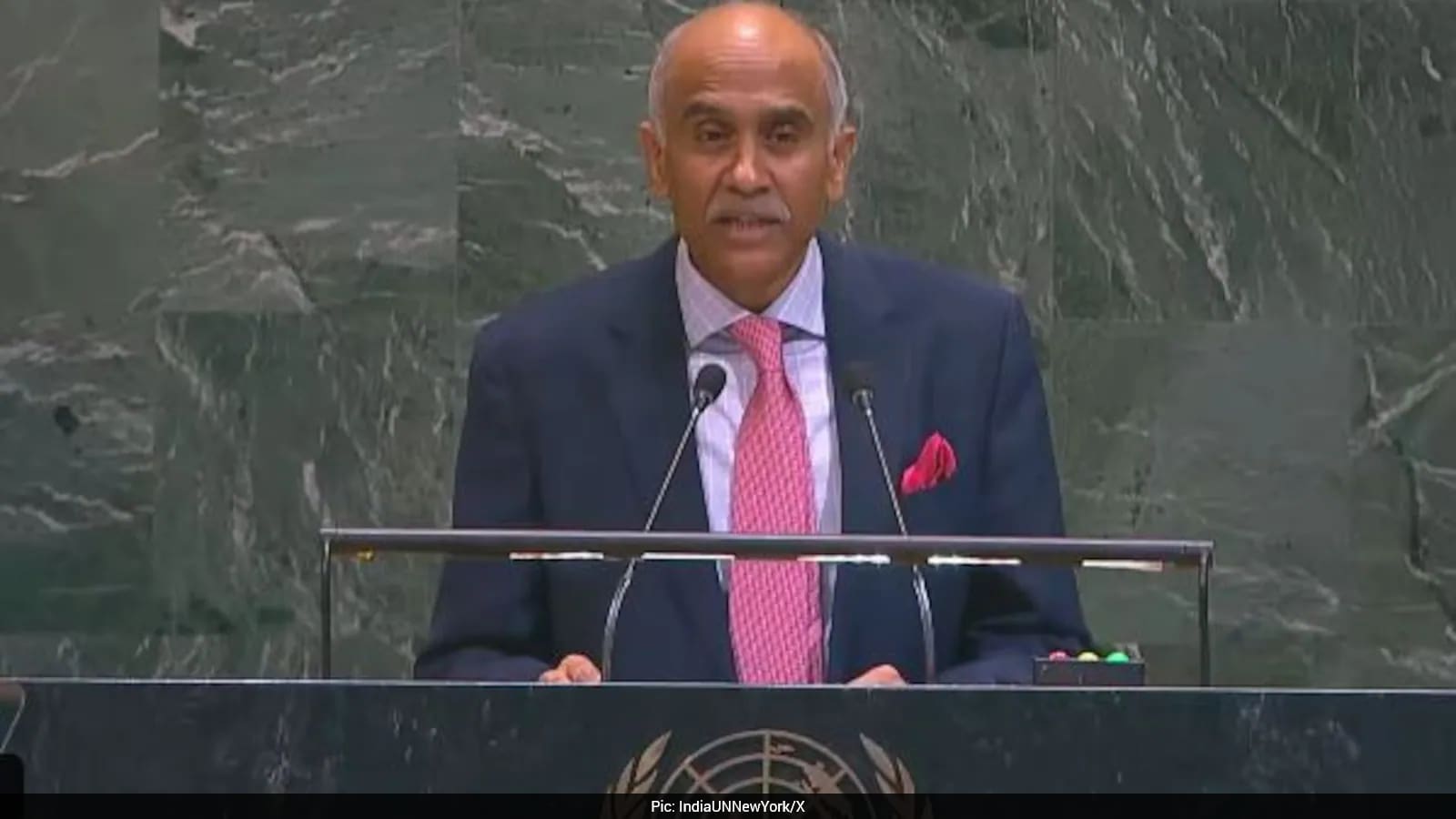
India Condemns Pakistan’s Afghanistan Airstrikes at UN, Labeling Actions a ‘Massacre’
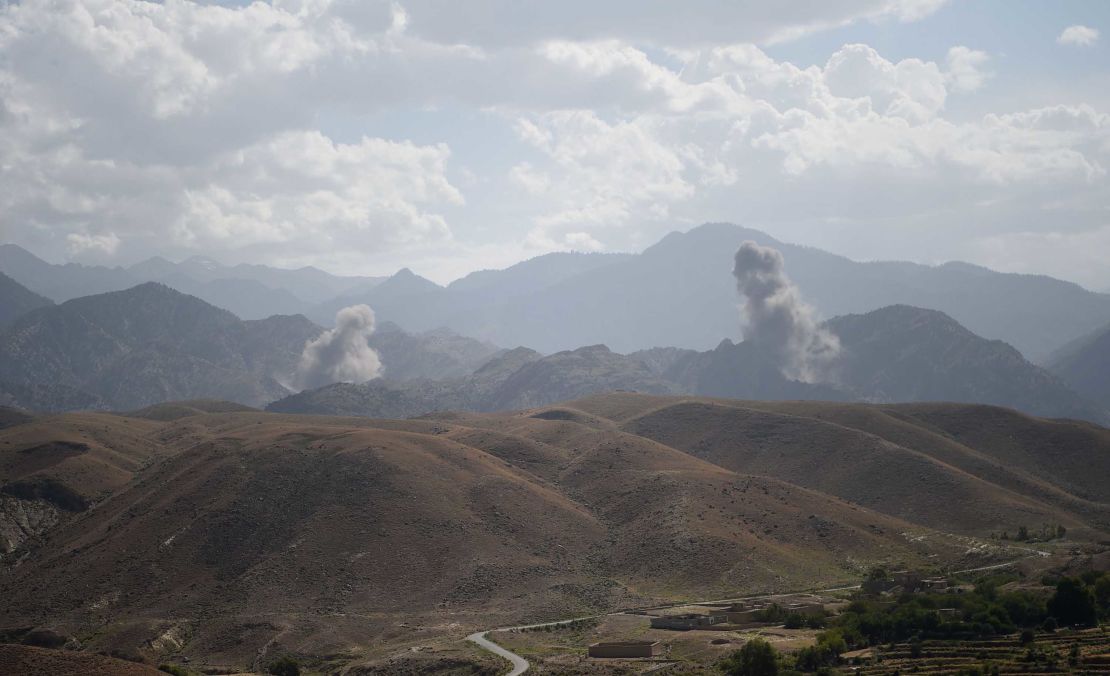
India has taken a forceful stance at the United Nations, condemning recent airstrikes conducted by Pakistan within Afghan territory and characterizing the strikes as a “massacre.” The Indian delegation’s remarks at the UN underscore growing international concern over the impact of military actions on civilian populations and the sovereignty of Afghanistan.
In a direct challenge to the recent military operations, India has called for immediate and full compliance with international humanitarian law. The Indian government emphasized that any military action must strictly adhere to established global standards to prevent further loss of life and to protect non-combatants in conflict zones.
Demands for Adherence to International Humanitarian Law
Central to India’s position at the United Nations is the insistence that all military operations respect the core principles of international humanitarian law. The Indian delegation specifically highlighted three critical mandates that must govern any kinetic action: precaution, distinction, and proportionality.
The principle of distinction requires that parties to a conflict must at all times distinguish between the civilian population and combatants, and between civilian objects and military objectives. India’s emphasis on this principle suggests a concern that the recent airstrikes failed to adequately separate military targets from the surrounding civilian population.
Furthermore, the principle of precaution dictates that military commanders must take all feasible precautions to avoid, or at least minimize, incidental loss of civilian life and injury to civilians. This includes making constant efforts to verify that targets are legitimate military objectives and choosing means and methods of attack that minimize civilian harm.
Finally, the principle of proportionality prohibits attacks where the incidental loss of civilian life, injury to civilians, or damage to civilian objects would be excessive in relation to the concrete and direct military advantage anticipated. By invoking these three pillars, India is signaling that the scale and nature of the airstrikes in Afghanistan may have breached these fundamental legal protections.
Support for UNAMA and Calls for Accountability
Beyond the legal critique of the strikes themselves, India has formally backed the United Nations Assistance Mission in Afghanistan (UNAMA) in its push for transparency. India has voiced support for UNAMA’s demand for independent investigations into the airstrikes to ensure that accountability is established for any violations of international law.
The call for an independent probe is intended to move the conversation from political condemnation to factual determination. Without a rigorous, impartial investigation, the international community remains unable to confirm the exact nature of the casualties or the specific targets engaged during the strikes. India’s alignment with UNAMA suggests a strategic move to utilize UN-led mechanisms to address regional security violations.
The push for accountability is seen as vital for maintaining the integrity of international norms. If airstrikes are conducted without a clear mechanism for investigation and subsequent responsibility, the precedent for cross-border military actions without civilian oversight could increase, potentially destabilizing the region further.
Regional Implications and the Path Forward
The condemnation by India at the UN highlights the precarious security situation in South and Central Asia. The tension between the necessity of counter-terrorism operations and the protection of Afghan sovereignty remains a primary driver of regional instability. As India continues to monitor these developments, the focus remains on how the international community responds to the reported civilian impact.
.jpg/560px-International_Durastar_4400_(16279366960).jpg "Regional Implications and the Path Forward")
The next critical development will be the release of any findings or formal statements from UNAMA regarding the progress of independent investigations into the airstrikes. The international community will be watching to see if these calls for accountability lead to tangible transparency or if the situation continues to escalate without legal recourse.
What are your thoughts on the international community’s role in mediating these cross-border tensions? Share your perspective in the comments below and share this report with your network.
Keep reading
- Fuerte San Francisco’s Uncommon Measure in Salvadoran Football Draws Off-Field Attention
- Riley Reid Net Worth: OnlyFans Earnings, Real Estate, and Business Ventures
- India Sweeps Zimbabwe 3-0 in T20I Series Led by Vaibhav Sooryavanshi (archyworldys.com)
- Supporting Independent Journalism in Juneau: A Monthly Membership Option (news-usa.today)