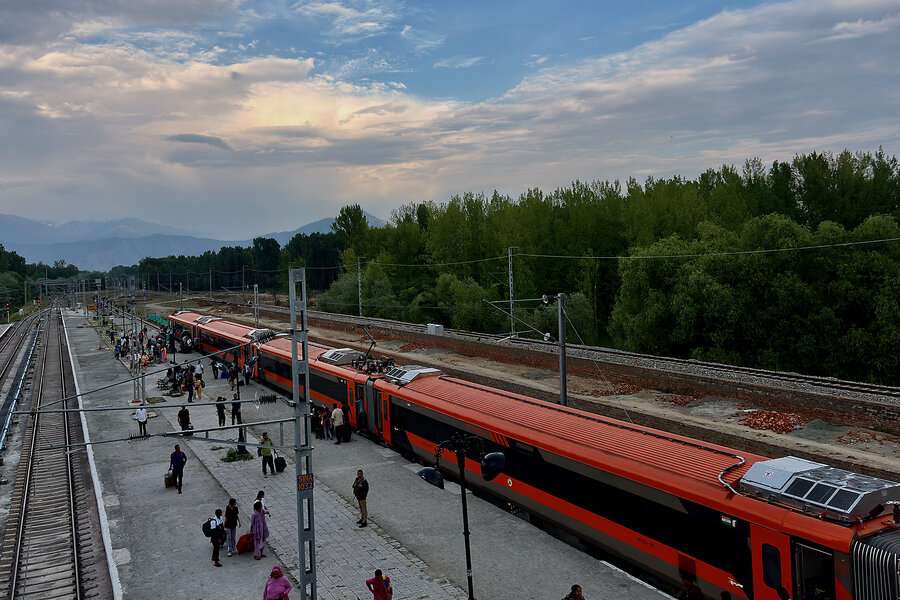
The Udhampur-Srinagar-Baramulla Rail Link (USBRL) project, one of the most ambitious engineering feats in modern Indian infrastructure, is currently transforming connectivity in the Jammu and Kashmir region. By traversing the challenging Himalayan terrain through a series of bridges and tunnels, the railway aims to integrate the long-isolated Kashmir Valley with the rest of the Indian national network, fostering new avenues for trade, tourism, and economic development, according to the Ministry of Railways.
While the project signals a shift toward modernization, the region remains a complex environment defined by its geopolitical history. The introduction of high-speed rail access into this disputed territory occurs alongside ongoing security measures and a heavy military presence, creating a juxtaposition between the promise of economic integration and the realities of a region that has experienced decades of political instability.
Engineering Through the Himalayas
The USBRL project spans 272 kilometers, designed to connect Jammu to Baramulla. The alignment is notable for its technical complexity, as it cuts through the young, unstable geology of the Himalayas. According to official government press releases, the line includes the Chenab Bridge, which stands as the world’s highest single-arch railway bridge, rising 359 meters above the riverbed. This structure is taller than the Eiffel Tower and serves as a centerpiece for the government’s push to demonstrate infrastructure capability in difficult terrain.

The project, which has faced significant delays since its inception in the late 1990s, is now reaching its final phases of completion. The route incorporates 38 tunnels, with the longest tunnel—T-49—stretching approximately 12.77 kilometers, as documented by the Northern Railway zone. These tunnels are equipped with advanced safety systems, including ventilation, lighting, and emergency communication protocols, to mitigate the risks associated with seismic activity in the region.
Economic Integration and Tourism
For local businesses and the tourism sector, the railway represents a potential shift in logistics. Previously, the Kashmir Valley relied heavily on the Srinagar-Jammu National Highway, a route frequently disrupted by landslides, snow, and security-related road closures. A reliable, all-weather rail link is expected to reduce the time and cost of transporting goods, such as Kashmir’s renowned apples and handicrafts, to markets in northern India, according to reports from the Invest India agency.

Tourism officials anticipate that the train will attract a higher volume of visitors who previously found road travel to Srinagar prohibitive. The government has promoted the rail line as a driver for regional growth, aiming to align the valley’s economy more closely with national supply chains. However, the success of this integration remains tied to the broader economic stability of the union territory, which saw the revocation of its special constitutional status under Article 370 in August 2019, an event that led to significant administrative and legislative changes in the region, as detailed by the Ministry of External Affairs.
Security and Geopolitical Context
Despite the technological advancements, the atmosphere surrounding the rail project is marked by the enduring presence of security forces. Since the 1990s, the region has been a focal point of conflict, and today, travelers on the route frequently encounter checkpoints and surveillance measures, according to reports from international observers such as the BBC. The railway, while a civilian project, is viewed by some as an instrument of state consolidation, given its strategic importance in moving personnel and supplies into a region that shares borders with both Pakistan and China.

Local residents express a range of perspectives on the infrastructure. While many welcome the convenience of faster travel and the potential for increased trade, others remain cautious about the long-term impact on the region’s socio-political landscape. The military footprint remains visible at railway stations and along the tracks, serving as a reminder that the rail link functions within a highly securitized environment where travel and movement are subject to strict oversight.
Next Steps for the Rail Link
The final section of the USBRL, connecting Katra to Banihal, is the last hurdle before the full route becomes operational. The Ministry of Railways has indicated that testing is ongoing, with safety inspections conducted by the Commissioner of Railway Safety required before full-scale commercial operations can begin. Public updates regarding the launch of passenger services are posted periodically on the official Northern Railway portal.

As the project nears completion, observers will be watching to see whether the rail link succeeds in its primary goal of economic integration or if the geopolitical tensions in the region continue to overshadow the potential benefits of the infrastructure. Readers interested in the progress of the line can monitor updates through official government gazettes and regional transport authority disclosures.