
For decades, New Delhi has navigated the treacherous waters of global geopolitics with a philosophy known as “strategic autonomy.” By refusing to enter formal alliances and instead cultivating a web of “multi-alignment,” India has managed the improbable: maintaining deep defense ties with the United States and Israel while simultaneously securing energy imports from Iran and strengthening economic bonds with Gulf monarchies.
However, the escalating conflict involving Iran is now testing the structural integrity of this diplomatic formula. As rival camps demand explicit political loyalty and strict sanctions compliance, the flexibility that once served as India’s greatest asset is beginning to look like a liability. The current crisis is not merely a regional skirmish; it is a direct challenge to the core assumption that India can maintain independent relations with every major power in West Asia, regardless of their mutual hostilities.
From an economic perspective, the stakes are exceptionally high. India’s strategic autonomy in the Iran conflict is not just about diplomatic prestige—it is about preventing domestic economic instability. With a heavy reliance on energy imports and a critical interest in regional connectivity, any significant disruption in the Persian Gulf could trigger an inflationary spiral that no government in New Delhi can afford.
The Tension Between Strategic Autonomy and Strategic Ambiguity
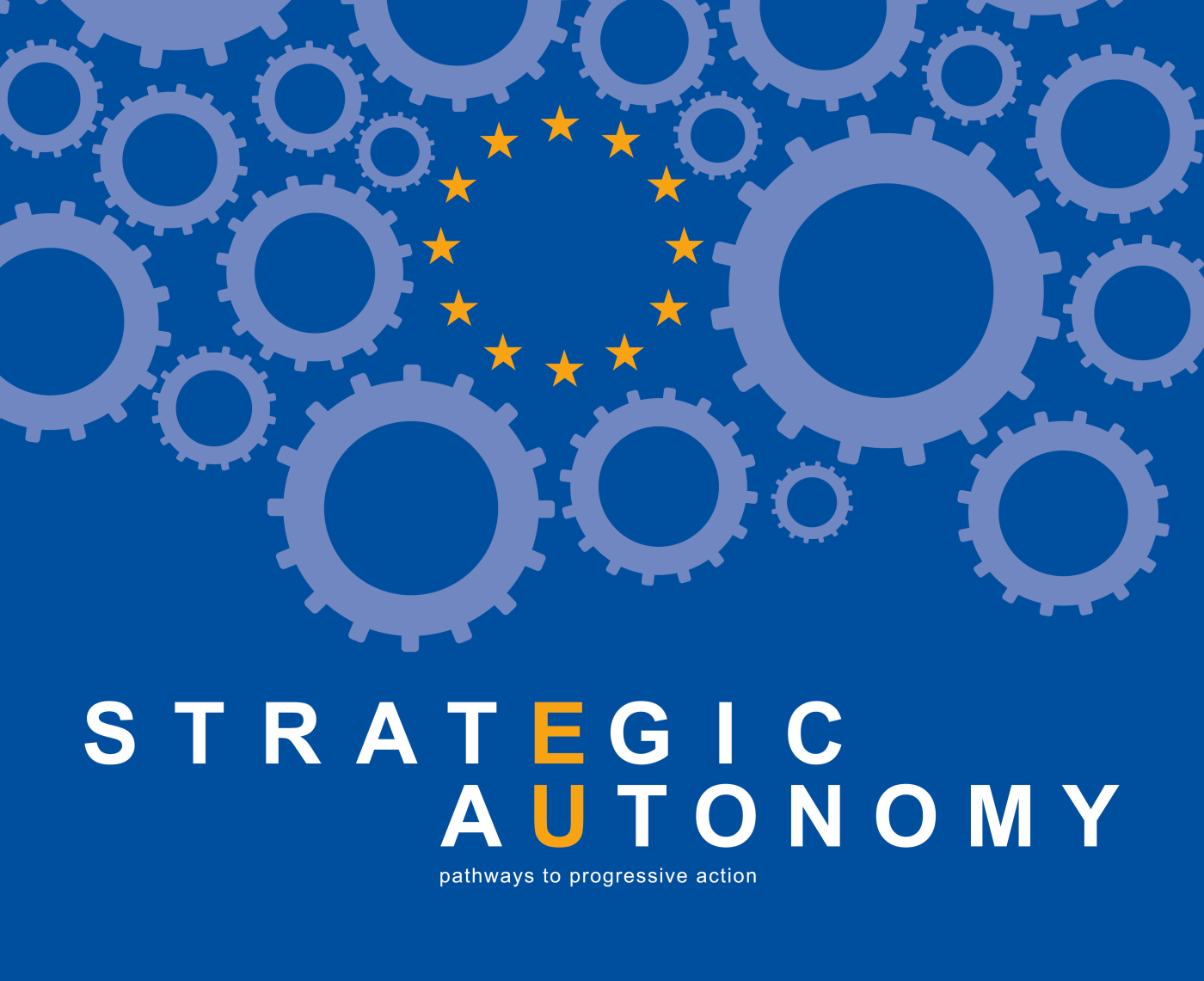
At the heart of India’s foreign policy is the pursuit of strategic autonomy—the ability to exercise an independent foreign policy unrestrained by external pressure. While this approach has historically allowed India to maximize its options during peacetime, the current hostilities between Iran, the U.S., and Israel have exposed a thin line between autonomy and what some analysts describe as “strategic ambiguity.”
Strategic ambiguity occurs when the absence of clear signaling creates uncertainty about a state’s actual position. While this lack of commitment provides short-term flexibility, it can erode long-term credibility. In the context of the current war, India’s generalized calls for diplomacy and de-escalation are seen by some as a way to preserve bilateral ties, but they also create an impression of selective engagement that may not hold as the conflict intensifies.
The Israel-Iran Paradox: Defense vs. Connectivity
India’s balancing act is most visible in its simultaneous relationships with Israel and Iran. In February, the relationship with Israel was elevated to a Special Strategic Partnership during Prime Minister Narendra Modi’s state visit, signaling a deepening of defense and technological cooperation according to diplomatic records.
Conversely, Iran remains a critical partner for India’s energy security and its ambitions for regional connectivity. Central to this strategy is the Chabahar Port, a vital gateway that allows India to bypass Pakistan to reach markets in Afghanistan and Central Asia. The conflict puts these two interests in direct opposition: the defense ties that bind New Delhi to Israel and the U.S. Are increasingly at odds with the energy and infrastructure dependencies that link it to Tehran.
Economic Imperatives and the Risk of Oil Shocks
For a global economy already sensitive to price volatility, the geopolitical geometry of the Iran conflict is particularly unforgiving. Amitabh Mattoo, dean of the School of International Studies at Delhi’s Jawaharlal Nehru University, notes that while strategic autonomy works best in a fluid multipolar order, it becomes significantly harder when rival camps demand security alignment and sanctions compliance simultaneously as reported by DW.
The economic risks are centered on three primary vulnerabilities:
- Energy Security: Any prolonged oil shock resulting from the conflict would directly impact India’s trade balance and industrial output.
- Shipping Disruptions: The Strait of Hormuz is a critical chokepoint; disruptions here would threaten the flow of essential hydrocarbons.
- Domestic Inflation: A spike in energy costs would likely lead to domestic inflation spirals, creating internal political pressure.
“If push comes to shove, India’s first instinct will always be to protect economic stability and energy security. No government in New Delhi can afford prolonged oil shocks, shipping disruptions in Hormuz, or domestic inflation spirals,” Mattoo stated.
Navigating the Pressure of Global Alliances
The current environment is forcing New Delhi to reconsider the limits of its “multi-alignment” diplomacy. In previous decades, India’s “hard-headed realism” allowed it to operate outside of regional camps. However, the current conflict has shifted the landscape toward a more binary choice. When the U.S. And its allies push for sanctions or a unified security front against Iran, India’s refusal to take a side is no longer viewed as neutral autonomy, but as a strategic gap.
This pressure is compounded by India’s aspirations for regional leadership. To be seen as a leading power, New Delhi must demonstrate that its autonomy is a principled position rather than a tactical avoidance of responsibility. The challenge lies in maintaining the Chabahar Port and energy ties without alienating the Western partners essential for India’s technological and defense modernization.
Key Takeaways for Global Markets
| Strategic Pillar | Primary Interest | Current Risk Factor |
|---|---|---|
| Israel/US Relationship | Defense & Tech Cooperation | Pressure to align against Iran |
| Iran Relationship | Energy & Chabahar Port | Sanctions & Regional Instability |
| Domestic Economy | Price Stability | Hormuz shipping disruptions |
Immediate Diplomatic Maneuvers
In response to these mounting pressures, Prime Minister Narendra Modi is embarking on a critical diplomatic tour. Starting this Friday, the Prime Minister will visit the United Arab Emirates and four European countries over the course of seven days per recent reports. This tour is widely seen as an attempt to calibrate India’s position and reassure both its Gulf partners and European allies of its commitment to stability.
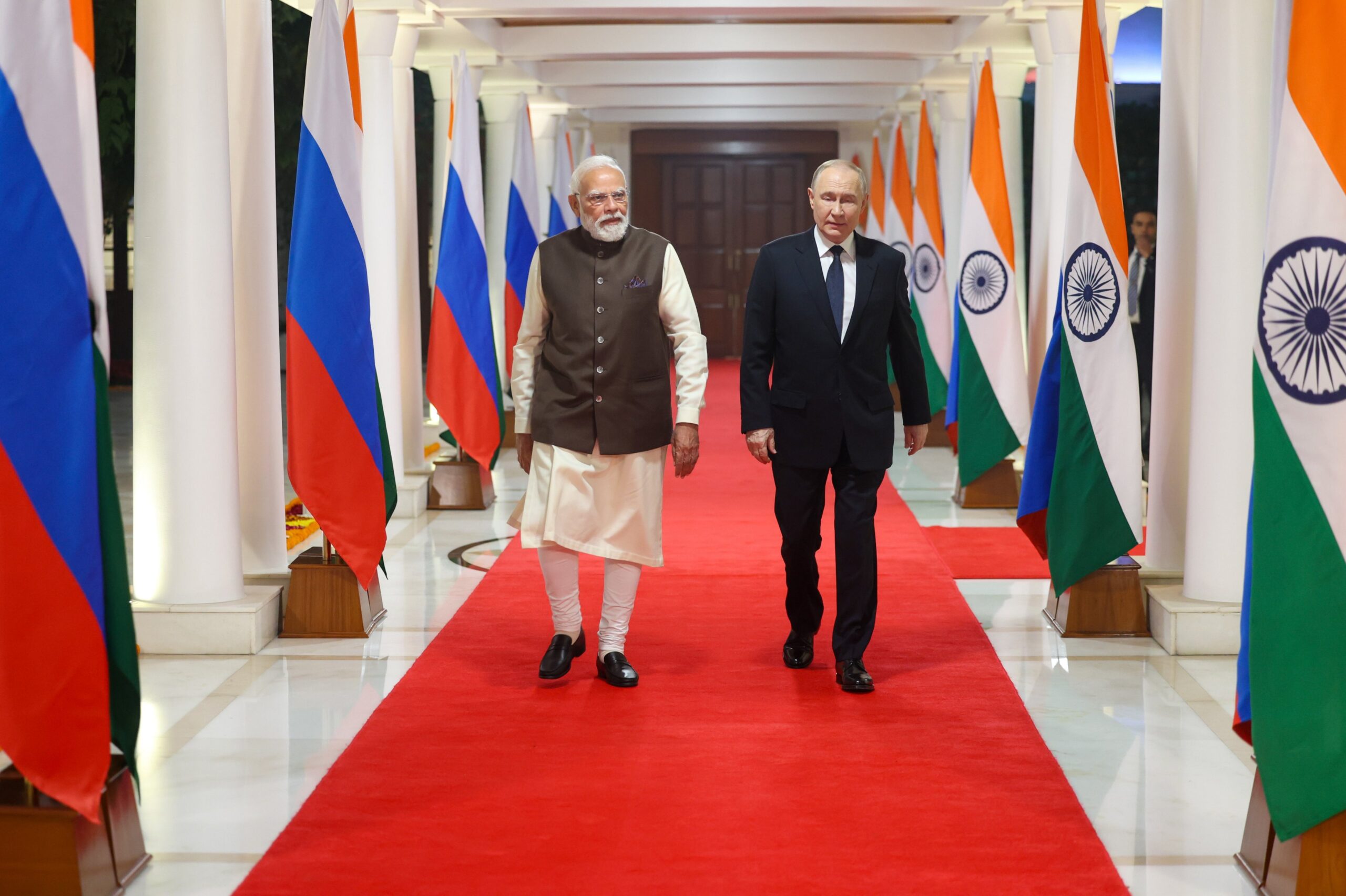
The UAE visit is particularly significant, as the Emirates serve as a bridge between the West and the regional powers of West Asia. By engaging with both the UAE and European leaders, Modi aims to maintain the flexibility of India’s multi-alignment while signaling that New Delhi remains a stabilizing force in a volatile region.
The next confirmed checkpoint for India’s diplomatic strategy will be the outcomes of Prime Minister Modi’s seven-day tour of the UAE and Europe, which will provide a clearer indication of whether New Delhi can sustain its strategic autonomy or if the “unforgiving geometry” of the Iran conflict will force a pivot toward a more defined alignment.
Do you believe India can maintain its strategic autonomy in an increasingly polarized world, or is the era of multi-alignment coming to an end? Share your thoughts in the comments below.
Keep reading