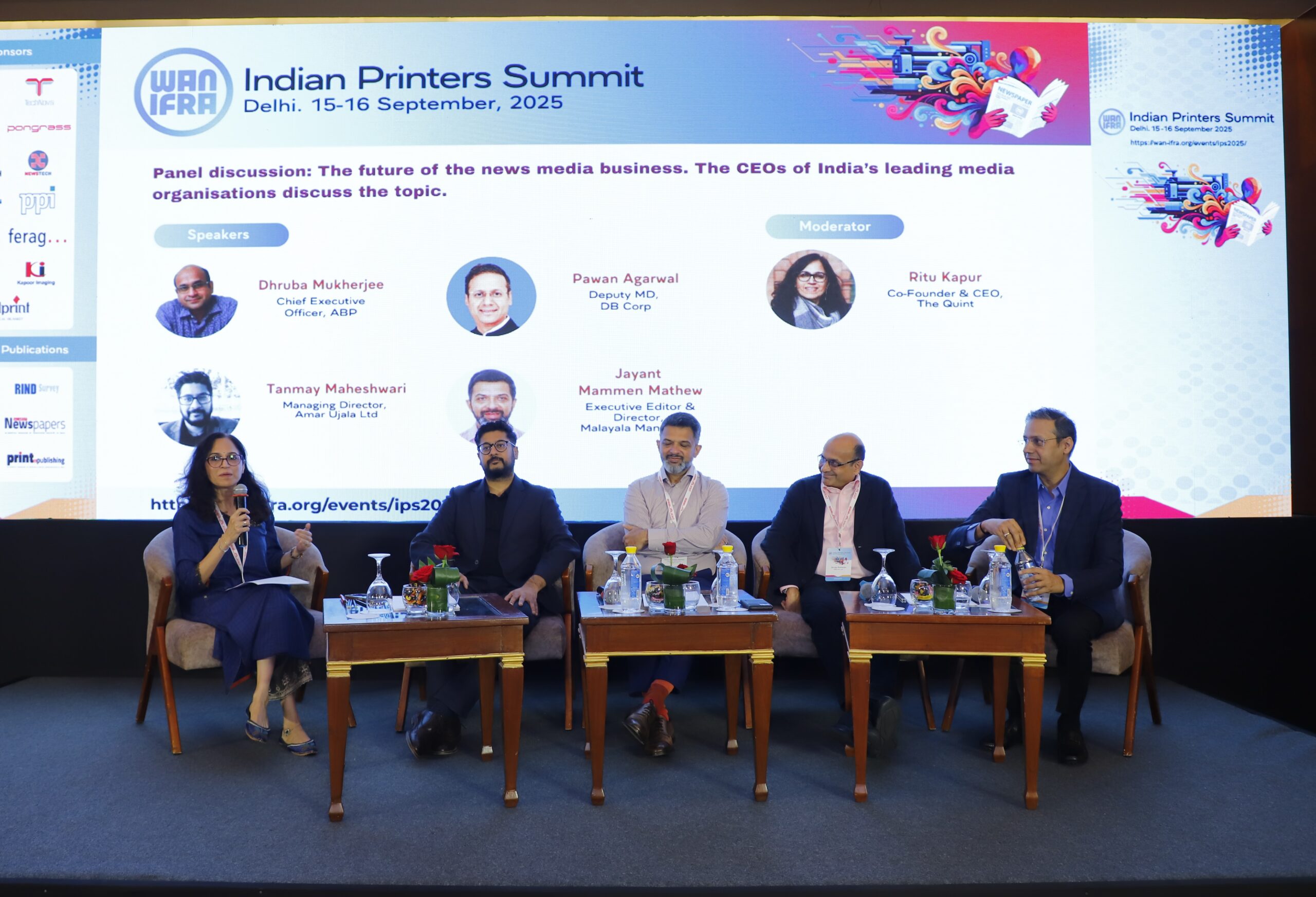
The Resilience of Print: How Indian Newspapers Are Thriving in the Digital Age
For many in the West, the narrative around print media is one of decline. But in India, a interesting story is unfolding – one of resilience, adaptation, and continued relevance. Despite the global surge in digital news consumption, Indian newspapers aren’t just surviving, they’re thriving, and a hyperlocal focus is at the heart of their success.
as a long-time observer of the media landscape,I’ve seen firsthand how Indian publishers are leveraging unique strengths to not only compete with online giants but also carve out a distinct and valuable role in their communities. Let’s explore the key factors driving this phenomenon.
The Power of Last-Mile Delivery
One of the most meaningful advantages indian newspapers possess is a remarkably efficient distribution network. Unlike many countries,almost all newspapers in India are delivered directly to homes every morning. This consistent, reliable access is a cornerstone of their readership.
This isn’t just about convenience; it’s about habit and a daily ritual that digital news simply can’t replicate. You’re more likely to engage with information presented physically, and this daily delivery ensures that engagement.
Local Advertising: A Key Revenue Driver
While Western media grapple with the decline of classifieds,local advertising remains a robust revenue stream for Indian newspapers. It’s a cost-effective way for businesses to reach specific geographic areas, something the internet currently struggles to match effectively.
Here’s why this matters:
* Targeted Reach: Local advertisers aren’t looking to blanket the nation; they want to connect with customers in their immediate vicinity.
* Affordability: Rates are proportionate to the local edition’s circulation, making it accessible for small and medium-sized businesses.
* Competitive Edge: This hyperlocal advertising capability gives Indian newspapers a distinct advantage over online platforms. As Agarwal pointed out, “As the internet is not able to give you a very, very local advertising option.”
Building Community Through Hyperlocal Editorial Focus
Indian newspapers aren’t just delivering news; they’re actively participating in the communities they serve. This is reflected in their editorial approach, which prioritizes local issues and drives societal impact.
Jayant mammen Mathew, Executive Editor of Malayala Manorama, emphasizes this point: “Editorially, the newspaper plays a larger role in the community as opposed to what a digital site can do, or what a TV channel can do. This, only a newspaper can do, especially regional newspapers, when they can take up local issues.”
This commitment to local reporting fosters trust and positions newspapers as vital community builders. While online content is readily available, a curated print product offers a level of reliability and value that’s increasingly appreciated.
Trust & Curation in a Chaotic Digital World
Tanmay Maheshwar, Managing Director of Amar Ujala Ltd., highlights the contrast between the curated experience of print and the often-chaotic nature of online information. Readers are seeking trustworthy sources, and newspapers are uniquely positioned to deliver that.
Consider these benefits:
* Curated Content: newspapers provide a carefully selected and edited collection of news and information.
* Enhanced Trust: A long-standing presence in the community builds credibility and fosters reader loyalty.
* Value Proposition: Readers perceive a greater value in a thoughtfully produced print product compared to the endless scroll of online content.
Shifting from Reach to Impact
The rise of digital alternatives is forcing Indian newspapers to redefine their role. Traditionally, print was valued for it’s reach – its ability to connect with isolated populations. However, with the widespread adoption of mobile phones and cellular networks, that challenge has been largely overcome.
This shift is leading to a new focus on impact. Publishers are now targeting more educated and affluent readers – a demographic that’s also highly attractive to advertisers.
Here’s how this is playing out:
* Tighter editing: Malayala Manorama is focusing on “utility” stories and ensuring content is highly relevant to its readership.
* Exclusivity: Newspapers are prioritizing original reporting and avoiding simply re-reporting information already available on television news.
* Targeted Audience: Focusing on a more discerning readership allows for more elegant advertising opportunities.
The Future of Indian Print
The Indian newspaper industry isn’t simply clinging to the past. It’