
India’s external debt position and inflation dynamics remain under close scrutiny as the country navigates a complex global economic landscape. Recent statements from Reserve Bank of India (RBI) Governor Sanjay Malhotra have underscored the central bank’s vigilance regarding external vulnerabilities while affirming ongoing efforts to strengthen the investment climate. These comments arrive at a time when policymakers are balancing growth objectives with external sector stability, particularly amid fluctuating capital flows and persistent price pressures.
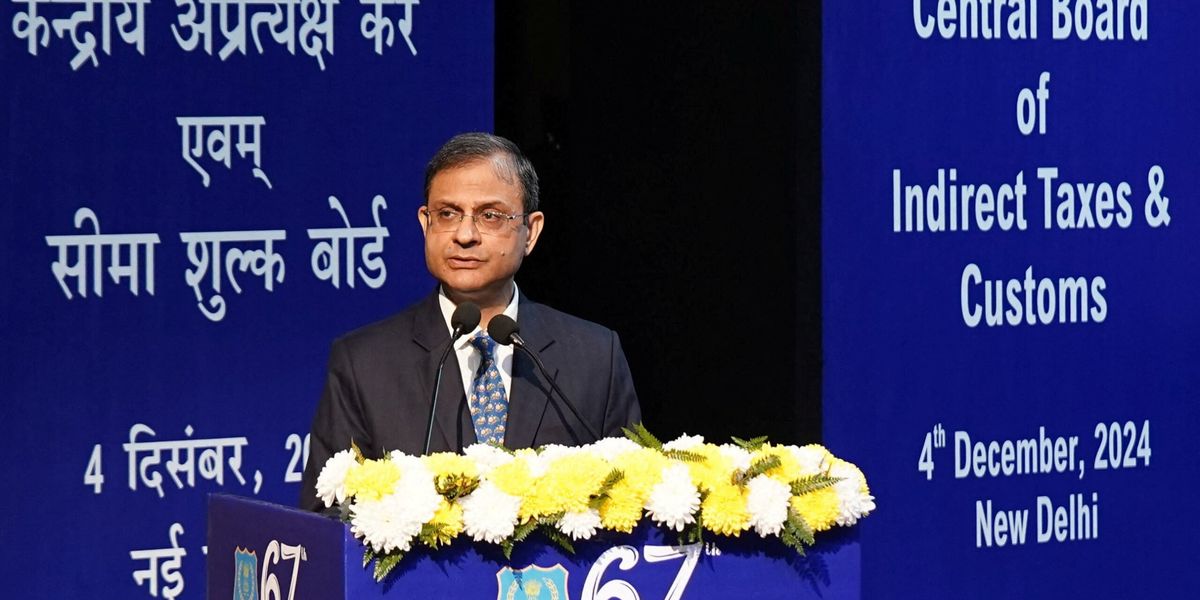
Governor Malhotra’s remarks, delivered during a recent address on financial sector reforms, emphasized that while India maintains a comfortable external debt position, continuous monitoring is essential to mitigate risks arising from global interest rate volatility and currency fluctuations. He noted that the country’s external debt-to-GDP ratio has remained within sustainable levels, supported by prudent borrowing practices and a resilient balance of payments framework. This assessment aligns with the RBI’s broader mandate to ensure macroeconomic stability while fostering conditions conducive to sustainable growth.
The governor further highlighted India’s continued commitment to regulatory reforms and enhanced ease of access and operations for foreign investors, pointing to recent liberalization measures in key sectors as evidence of this resolve. Such reforms, he argued, are critical not only for attracting long-term capital but also for integrating India more deeply into global value chains—a factor that can help mitigate external debt servicing burdens over time by boosting export earnings and foreign exchange inflows.
On the inflation front, Malhotra acknowledged that while headline inflation has shown signs of moderation in recent months, core inflation remains sticky, driven by persistent services price pressures and wage growth. He reiterated the RBI’s commitment to its 4% inflation target, noting that monetary policy will remain data-dependent and focused on ensuring that inflation expectations remain firmly anchored. The governor stressed that premature policy easing could undermine hard-won gains in price stability, particularly if external shocks—such as commodity price spikes or exchange rate depreciation—were to resurface.
These dual focuses on external debt sustainability and inflation control reflect the RBI’s delicate balancing act in an era of heightened global uncertainty. With foreign portfolio investments showing signs of recovery and direct investment inflows remaining robust, the central bank appears confident that India’s external sector can withstand moderate shocks. However, Malhotra cautioned against complacency, urging policymakers to maintain structural reforms that enhance productivity and export competitiveness as the most durable safeguard against external vulnerabilities.
External Debt Metrics and Sustainability
India’s external debt stood at approximately $620 billion at the end of March 2024, according to the latest data released by the Reserve Bank of India. This represents a moderate increase from the previous year but keeps the external debt-to-GDP ratio at around 18.5%, well within the threshold considered sustainable for emerging economies. The RBI’s External Debt Management Unit attributes this stability to a shift toward longer maturities and a declining share of short-term debt, which reduces rollover risks.

A significant portion of India’s external borrowing is denominated in foreign currencies, primarily US dollars, making the country susceptible to exchange rate fluctuations. However, the central bank notes that India’s substantial foreign exchange reserves—exceeding $650 billion as of early 2024—provide a strong buffer against external shocks. These reserves cover more than 10 months of imports and nearly 80% of the country’s external debt, offering considerable reassurance to international investors and rating agencies.
The composition of external debt has also evolved favorably, with government borrowing accounting for a smaller share compared to non-government sectors such as commercial banks and corporate borrowers. This shift reflects India’s growing integration into global financial markets while maintaining sovereign borrowing discipline. Malhotra pointed out that this diversification reduces the direct fiscal burden on the government while encouraging private sector responsibility in managing foreign exchange risks.
Inflation Trends and Monetary Policy Response
Retail inflation in India, as measured by the Consumer Price Index (CPI), eased to 4.83% in April 2024, down from 5.66% in March, according to data from the Ministry of Statistics and Programme Implementation. This decline was largely driven by falling food prices, particularly vegetables and pulses, which benefited from improved supply conditions and base effects. However, core inflation—which excludes food and fuel—remained elevated at 4.4%, indicating persistent underlying price pressures in the services sector.
The RBI’s Monetary Policy Committee (MPC) has maintained the policy repo rate at 6.50% since February 2023, citing the need to ensure that inflation durably aligns with the 4% target. Governor Malhotra has consistently supported this cautious stance, arguing that premature rate cuts could reignite inflationary expectations, especially if wage growth remains strong or if global commodity prices rebound. He emphasized that the central bank’s approach is not to target a specific inflation number each month but to ensure that the disinflation process is sustainable and broad-based.
Transmission of monetary policy to lending rates has been gradual, with banks slow to pass on earlier rate hikes to borrowers. However, recent data shows improving pass-through, particularly for new loans, which Malhotra views as a positive sign of financial market efficiency. He also noted that the RBI continues to monitor liquidity conditions closely, using tools such as variable rate reverse repo operations and open market operations to ensure that systemic liquidity remains adequate without fueling inflation.
Regulatory Reforms and Investor Confidence
India’s efforts to improve the ease of doing business have yielded measurable results, with the country jumping 14 places in the World Bank’s Ease of Doing Business rankings between 2020 and 2022, although the index has since been discontinued. More recently, the Department for Promotion of Industry and Internal Trade (DPIIT) reported that foreign direct investment (FDI) inflows reached $71 billion in the financial year 2023-24, marking a modest recovery after a period of global uncertainty.
Key reform initiatives highlighted by Governor Malhotra include the liberalization of foreign investment norms in sectors such as insurance, where the government recently approved 100% FDI under the automatic route, and defense, where the FDI limit was raised to 74%. These changes, he said, are designed to attract long-term capital that brings not only funds but also technology, managerial expertise, and access to global markets—factors that enhance productivity and support sustainable external debt management.
The Securities and Exchange Board of India (SEBI) has also introduced measures to deepen capital markets, including easing norms for foreign portfolio investors (FPIs) and facilitating greater participation in government securities and corporate bond markets. Malhotra noted that these steps help diversify India’s financing sources and reduce reliance on volatile short-term flows, thereby strengthening the resilience of the external sector.
Global Context and Risk Factors
India’s external position is influenced by a range of global factors, including US monetary policy, geopolitical tensions, and commodity price trends. The RBI governor acknowledged that a prolonged period of higher interest rates in advanced economies could lead to capital outflows from emerging markets, increasing pressure on exchange rates and external debt servicing costs. However, he expressed confidence that India’s strong fundamentals—including robust domestic demand, a growing manufacturing base, and prudent fiscal management—would help it weather such headwinds.
Climate-related risks and supply chain disruptions also feature in the RBI’s risk assessment framework. Malhotra pointed out that extreme weather events can affect agricultural output and food prices, indirectly influencing inflation and external balances through changes in import demand for staples like edible oils and pulses. In response, the central bank has begun incorporating climate scenario analysis into its financial stability exercises, reflecting a growing recognition of environmental factors in macroeconomic risk management.
Looking ahead, the RBI’s next major policy checkpoint is scheduled for June 6, 2024, when the Monetary Policy Committee will release its bi-monthly statement. This announcement will provide further insights into the central bank’s assessment of inflation trajectories, growth prospects, and external sector risks. Market participants will be watching closely for any signals regarding the timing of a potential policy rate shift, which remains contingent on incoming data.
For readers seeking to stay informed on these developments, the Reserve Bank of India publishes regular updates on its official website, including press releases, statistical supplements, and speeches by senior officials. The Ministry of Finance and the Department of Economic Affairs also provide timely data on external debt, foreign investment flows, and inflation trends through their respective portals.
As India continues to navigate the interplay between external debt sustainability and inflation control, the insights offered by Governor Sanjay Malhotra serve as a valuable reminder of the importance of prudence, reform, and vigilance in maintaining macroeconomic stability. His emphasis on structural reforms as a long-term safeguard against external vulnerabilities underscores a strategic vision that prioritizes resilience over short-term expediency.
We invite our global audience to share their perspectives on India’s economic trajectory and the challenges of balancing growth with stability in the comments below. Your insights help foster a deeper understanding of these critical issues, and we encourage you to share this article with others interested in global economic affairs.
Related reading