Ecuador’s Indigenous uprising: Protecting Rights, Nature, adn Challenging Global Oil Dependence
Recent events in Ecuador demonstrate a powerful surge in Indigenous resistance and a resounding victory for environmental and collective rights. A national referendum, born from weeks of protests against the government, has affirmed the importance of protecting both the rights of nature and the rights of Indigenous peoples. This outcome isn’t simply a political win; it’s a testament to the unwavering determination of communities fighting for their future.
The protests, sparked by government policies perceived as detrimental to Indigenous lands and livelihoods, resulted in tragic loss of life. The referendum results, therefore, carry a profound weight – a recognition of the sacrifices made in defense of these fundamental rights. It signals a growing awareness among Ecuadorians of the government’s agenda and a desire for genuine peace, one rooted in sustainability and justice, not merely superficial security measures.
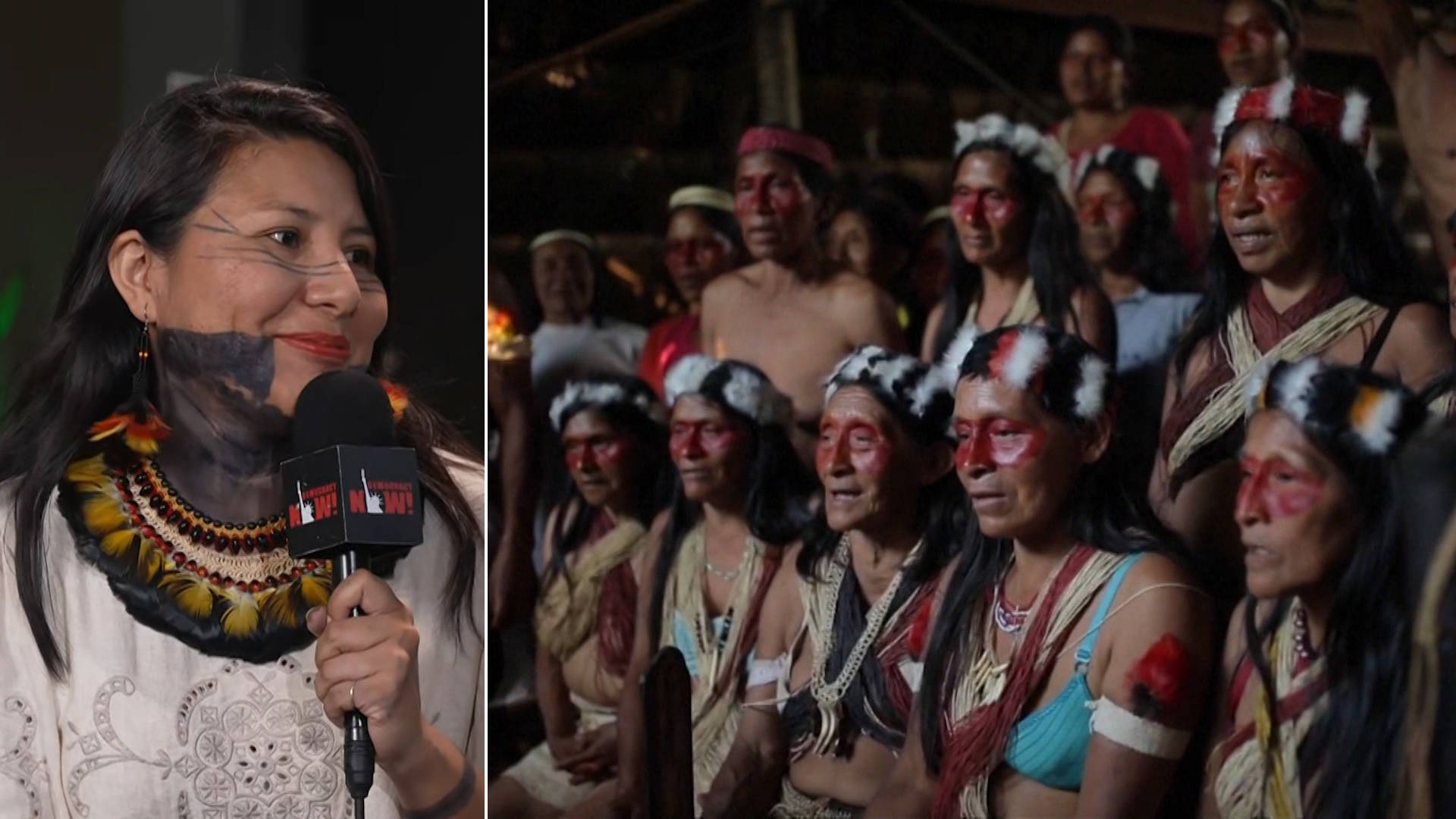
Diana Chávez, a leader from the Pastaza Kichwa Nation and head of international affairs for Pakkiru, an Indigenous organization in Ecuador’s Amazon, recently discussed these developments in an interview. She emphasized the significance of this moment, highlighting Ecuador’s potential to become a global example of how to legally enshrine the rights of nature alongside the collective rights of Indigenous communities.
“The people of Ecuador were wise, and we both know, and we won now,” Chávez stated, underscoring the power of collective action. This victory isn’t just for Imbabura, but for all Indigenous peoples across Ecuador and beyond.
A United Front: Indigenous Consensus and Cultural Significance
Chávez’s presence on the international stage, alongside representatives from seven distinct socio-cultural regions of Indigenous peoples, underscores a growing global unity. She noted the remarkable ability of Indigenous communities to reach consensus,a stark contrast to the often-fractured political landscapes of nation-states. This unity is fundamentally rooted in a shared connection to the land.
Her personal adornments – the vibrant feathers of toucan birds, protective red seeds, and the traditional face paint known as wituk in Kichwa - are powerful symbols of this connection. These aren’t merely aesthetic choices; they are integral to spiritual protection and cultural identity. Wituk, such as, historically served to intimidate enemies during times of conflict.
These cultural practices demonstrate a deep understanding of the interconnectedness between people, nature, and spirituality – a worldview increasingly vital in addressing global challenges.
The California connection: Confronting the Demand for Amazon Oil
The fight for ecuador’s Amazon extends beyond its borders, reaching into the consumer habits of nations like the United States. California, the world’s fourth-largest economy, is a meaningful importer of Amazon oil, directly impacting Indigenous communities.
Chávez and representatives from the Waorani people recently traveled to California to raise awareness about this issue. their efforts have yielded promising results, with California lawmakers releasing a statement calling for increased scrutiny of oil imports from the Amazon region and exploring potential restrictions.
This represents a crucial step towards holding consuming nations accountable for the environmental and social consequences of their energy choices.It also highlights the growing recognition that protecting the Amazon requires a global effort, addressing both supply and demand.
The victory in Ecuador, coupled with growing international pressure, signals a turning point. It demonstrates that Indigenous-led resistance, coupled with strategic advocacy, can drive meaningful change. The future of the Amazon, and the planet, depends on continuing to amplify these voices and challenging the systems that prioritize profit over people and the habitat.
Diana Chávez is a vital voice in this movement, representing the strength and resilience of the Pastaza Kichwa Nation and the broader Indigenous struggle for self-determination and environmental justice. Her work with Pakkiru is instrumental in advocating for these rights on the international stage.