Jakarta, Indonesia – The Indonesian government is defending a substantial financial commitment to local nutrition programs, allocating approximately 6 million Indonesian Rupiah (roughly $385 USD as of February 25, 2026) per day to 24,000 Satuan Pelayanan Pemenuhan Gizi (SPPG) units across the archipelago. This initiative, designed to bolster the national program for providing nutritious food, is being framed by officials as a more efficient alternative to direct government construction and management of feeding facilities. The program aims to combat malnutrition and improve the overall health of the Indonesian population, particularly vulnerable groups.
According to Badan Gizi Nasional (BGN), the National Nutrition Agency, the partnership-based approach allows for a faster and more widespread implementation of the Makan Bergizi Gratis (MBG), or Free Nutritious Food program, reaching communities from Sabang to Merauke – the westernmost and easternmost points of Indonesia. The strategy prioritizes speed and efficiency in delivering essential nutritional support, recognizing the critical importance of timely intervention in addressing food security and health outcomes.
The Rationale Behind the Funding Model
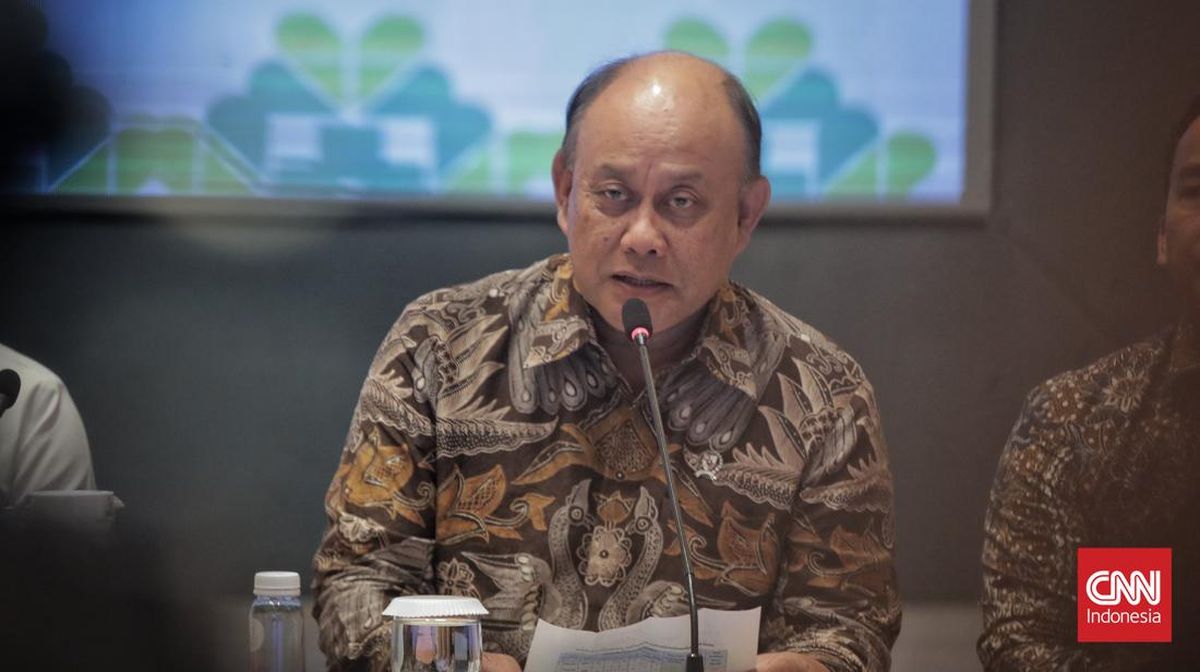
The substantial daily allocation to SPPG units has raised questions about cost-effectiveness. However, BGN Head Dadan Hindayana argues that the collaborative model represents a significant improvement over traditional government-led infrastructure projects. Hindayana, an entomologist and academic from the Bogor Agricultural Institute (Institut Pertanian Bogor), explained that relying on partnerships streamlines the process, reducing bureaucratic delays and accelerating the establishment of nutrition service points. He emphasized that time is of the essence in addressing nutritional deficiencies, referencing a quote from the Quran, “Wal ‘Ashr” (By Time), to underscore the irreversible nature of lost opportunities.
“Time is a factor in this world that cannot be returned, it is irreversible and moves in one direction,” Hindayana stated, as reported by various Indonesian news outlets. “in the Quran it is mentioned Wal ‘Ashr (Demi Waktu). This represents very relevant, because in the implementation of the MBG program, if it is not carried out at high speed, I think everyone will suffer a great loss.”
This approach allows for a quicker expansion of infrastructure without solely relying on state funding for physical construction. The BGN believes this model is crucial for achieving national targets and ensuring the sustainability of the program. The agency’s strategy centers on accelerating development and strengthening partnerships to ensure goals are met on schedule.
National Targets and Budget Allocations
The Indonesian government has set ambitious goals for the MBG program, aiming to reach 82.9 million recipients in 2026. To support this effort, a total budget of 355 trillion Indonesian Rupiah (approximately $22.6 billion USD as of February 25, 2026) has been allocated for the program. This includes 268 trillion Rupiah from the national budget (APBN) and 67 trillion Rupiah as contingency funds. The scale of the investment reflects the government’s commitment to addressing malnutrition and improving the nutritional status of its citizens.
Dadan Hindayana’s appointment as Head of BGN in August 2024, under the administration of President Joko Widodo, signaled a renewed focus on national nutrition strategies. Prior to leading BGN, Hindayana held several key positions at the Bogor Agricultural Institute, including Director of Institutional Development and Enterprise, demonstrating a background in both academia and public administration. His expertise in entomology, gained through studies at the University of Bonn in Germany and Leibniz Universität Hannover, may inform innovative approaches to food security and sustainable agriculture within the MBG program.
SPPGs: The Frontline of Nutritional Support
The 24,000 SPPG units are the cornerstone of the MBG program, serving as localized centers for delivering nutritious food to communities across Indonesia. These units are responsible for preparing and distributing meals, as well as providing nutrition education and counseling. The daily allocation of 6 million Rupiah is intended to cover operational costs, including ingredients, labor, and logistical expenses. The success of the program hinges on the effective management and operation of these SPPGs.
The BGN’s decision to partner with these local units reflects a broader trend towards decentralization and community-based approaches in Indonesian governance. By empowering local actors, the government aims to tailor programs to the specific needs of different regions and ensure greater accountability. However, the reliance on partnerships also raises questions about oversight and quality control, requiring robust monitoring mechanisms to ensure that funds are used effectively and that nutritional standards are met.
Dadan Hindayana’s Background and Career
Dadan Hindayana, born in Garut, West Java, in 1967, brings a diverse background to his role as Head of BGN. He completed his undergraduate studies in Plant Protection at the Bogor Agricultural Institute in 1990, followed by a Master’s degree in Applied Entomology from the University of Bonn in 1997 and a Doctorate in Entomology from Leibniz Universität Hannover in 2000. His academic career has focused on the study of insects, a field that has implications for food security and agricultural sustainability. He shares a graduating class with current Indonesian Armed Forces Commander Agus Subiyanto, having both attended SMA Negeri Cimindi Cimahi in Bandung in 1986.
Before assuming his current position, Hindayana held several leadership roles at the Bogor Agricultural Institute, including Secretary of the Office for the Preparation of Autonomy Implementation and Director of Institutional Development and Enterprise. He also served as Chairman of the Banau Agricultural Polytechnic Institute in Halmahera Barat from 2014 to 2022, demonstrating his experience in managing educational institutions and promoting agricultural development. He has been recognized for his contributions to public service with several awards, including the Satyalancana Karya Satya XXX Tahun from the President of Indonesia in 2023.
Challenges and Future Outlook
While the MBG program represents a significant investment in Indonesia’s nutritional future, challenges remain. Ensuring equitable access to nutritious food across the vast archipelago, maintaining quality control standards at the SPPG level, and addressing potential logistical hurdles are all critical considerations. The program’s success will depend on effective coordination between the BGN, local governments, and SPPG units, as well as ongoing monitoring and evaluation to identify areas for improvement.
Looking ahead, the BGN is likely to focus on strengthening partnerships, enhancing monitoring mechanisms, and promoting sustainable food systems. The agency may also explore innovative approaches to nutrition education and behavior change communication to empower individuals and communities to make informed food choices. The long-term goal is to create a healthier and more resilient Indonesia, where all citizens have access to the nutritious food they need to thrive.
The next key development to watch will be the BGN’s progress report on the MBG program’s implementation, expected to be released in the third quarter of 2026. This report will provide a detailed assessment of the program’s reach, impact, and challenges, offering valuable insights into the effectiveness of Indonesia’s national nutrition strategy.
What are your thoughts on Indonesia’s approach to tackling malnutrition? Share your comments below and aid us continue the conversation.
Related reading