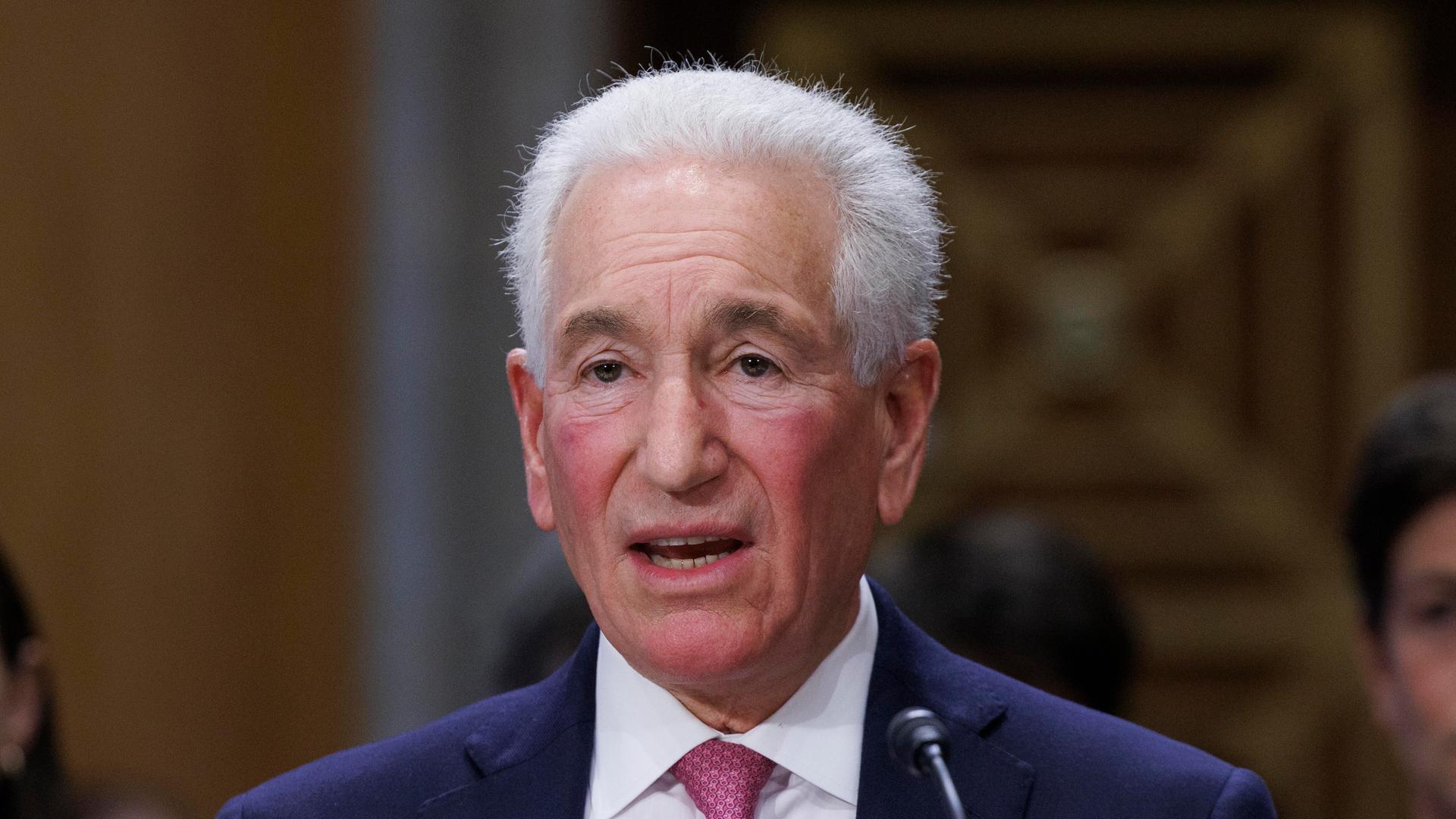
Paris – A diplomatic rift is widening between France and the United States following a series of incidents involving U.S. Ambassador to France Charles Kushner. The latest escalation stems from Kushner’s failure to appear at a scheduled meeting with French Foreign Minister Jean-Noël Barrot, prompted by concerns over statements made by the U.S. Embassy regarding the death of a far-right activist. This incident, coupled with previous criticisms leveled by Kushner against French President Emmanuel Macron, has led to a significant strain in relations and, temporarily, a restriction on the ambassador’s access to French government officials.
The core of the dispute revolves around the U.S. Embassy’s reposting of comments from the Trump administration that characterized the killing of Quentin Deranque, a 23-year-old far-right activist, as evidence of rising “left-wing extremism” in France. Deranque died from head injuries sustained during clashes in Lyon on February 14, 2026, following a protest against a politician from the hard-left France Unbowed (LFI) party. French officials have strongly objected to the framing of the incident, viewing it as unwarranted interference in France’s internal affairs and a misrepresentation of the political context. The situation highlights the delicate balance between diplomatic engagement and respecting national sovereignty, particularly when dealing with sensitive domestic issues.
This is not an isolated incident involving Ambassador Kushner. He was previously summoned by Minister Barrot over criticisms of President Macron’s handling of antisemitism, but similarly chose to send a representative in his place. This pattern of perceived disrespect for diplomatic protocol has fueled frustration within the French government, culminating in the recent decision to limit Kushner’s access to ministers. The move signals a clear message from Paris that such behavior will not be tolerated, and underscores the importance of traditional diplomatic courtesies in maintaining healthy international relations. The ongoing tension raises questions about the effectiveness of current diplomatic strategies and the potential for further deterioration in U.S.-French relations.
Background of the Diplomatic Dispute
The immediate trigger for the current crisis was the U.S. Embassy’s social media post concerning the death of Quentin Deranque. According to reports from CBS News, the post echoed language used by the previous U.S. Administration, framing the incident as an example of “violent left-wing extremism.” This characterization was met with swift condemnation from French officials, who argued that it ignored the complex political dynamics at play and risked exacerbating existing tensions within French society. Minister Barrot, in particular, expressed his displeasure, demanding an explanation for the embassy’s actions.
The situation is further complicated by Ambassador Kushner’s own history of controversial statements. As noted by the BBC, Kushner previously criticized President Macron for what he perceived as insufficient action against antisemitism. These earlier remarks had already strained relations, and his subsequent failure to attend the scheduled meeting with Minister Barrot only served to deepen the divide. The ambassador’s background as a real estate developer and former attorney, rather than a career diplomat, has also been cited as a contributing factor to the difficulties he has faced in navigating the complexities of French political culture.
Kushner’s Past and Diplomatic Protocol
Charles Kushner’s appointment as U.S. Ambassador to France in 2025 raised eyebrows due to his lack of traditional diplomatic experience. He is the father of Jared Kushner, a senior advisor to former President Donald Trump. Prior to his ambassadorship, Kushner was a successful real estate developer and attorney, but his past also includes a conviction for tax evasion, witness tampering, and illegal campaign contributions. Even as he received a presidential pardon from President Trump in 2020, this history continues to be a point of contention for some observers.
The principle of non-interference in the internal affairs of other nations is a cornerstone of international diplomacy. Sending a representative to a scheduled meeting, particularly one requested by a host government, is considered a basic courtesy. By failing to appear and instead sending a subordinate, Ambassador Kushner was perceived as demonstrating a lack of respect for French sovereignty and diplomatic norms. This perceived slight has understandably angered French officials, who view it as a breach of protocol that undermines the foundation of a productive bilateral relationship. The French Foreign Ministry emphasized the importance of adhering to “the most basic customs of diplomacy,” signaling its expectation that future interactions will be conducted with greater consideration for established norms.
Efforts to De-escalate the Situation
Despite the escalating tensions, efforts are underway to resolve the dispute. According to The Hill, Ambassador Kushner reached out to Minister Barrot on Tuesday, February 24, 2026, seeking to mend ties. During a phone conversation, Kushner reportedly assured Barrot that he would refrain from interfering in French affairs. The two officials have also agreed to meet face-to-face in the coming days to discuss the matter further.
While this outreach represents a positive step, the underlying issues remain unresolved. The French government continues to insist on a clear commitment from the U.S. Ambassador to respect French sovereignty and refrain from making statements that could be interpreted as interference in domestic political debates. The outcome of the upcoming meeting will be crucial in determining whether the relationship can be salvaged and whether Ambassador Kushner will regain full access to French government officials. The situation serves as a reminder of the importance of careful communication and adherence to diplomatic protocol in maintaining strong international partnerships.
Key Takeaways
- A diplomatic dispute has erupted between France and the United States over statements made by the U.S. Embassy regarding the death of a French far-right activist.
- U.S. Ambassador to France Charles Kushner’s failure to attend a scheduled meeting with French Foreign Minister Jean-Noël Barrot exacerbated the tensions.
- France has temporarily restricted Ambassador Kushner’s access to government ministers in response to his perceived disrespect for diplomatic protocol.
- Efforts are underway to de-escalate the situation through direct communication and a planned face-to-face meeting between Kushner and Barrot.
The next step in this unfolding situation will be the planned meeting between Ambassador Kushner and Minister Barrot. The outcome of this meeting will likely determine the future trajectory of U.S.-French relations. We will continue to monitor developments and provide updates as they become available. Share your thoughts on this developing story in the comments below.
Keep reading