Indonesia’s Political shift: Prabowo’s China Trip, Protests, and Underlying Economic Concerns
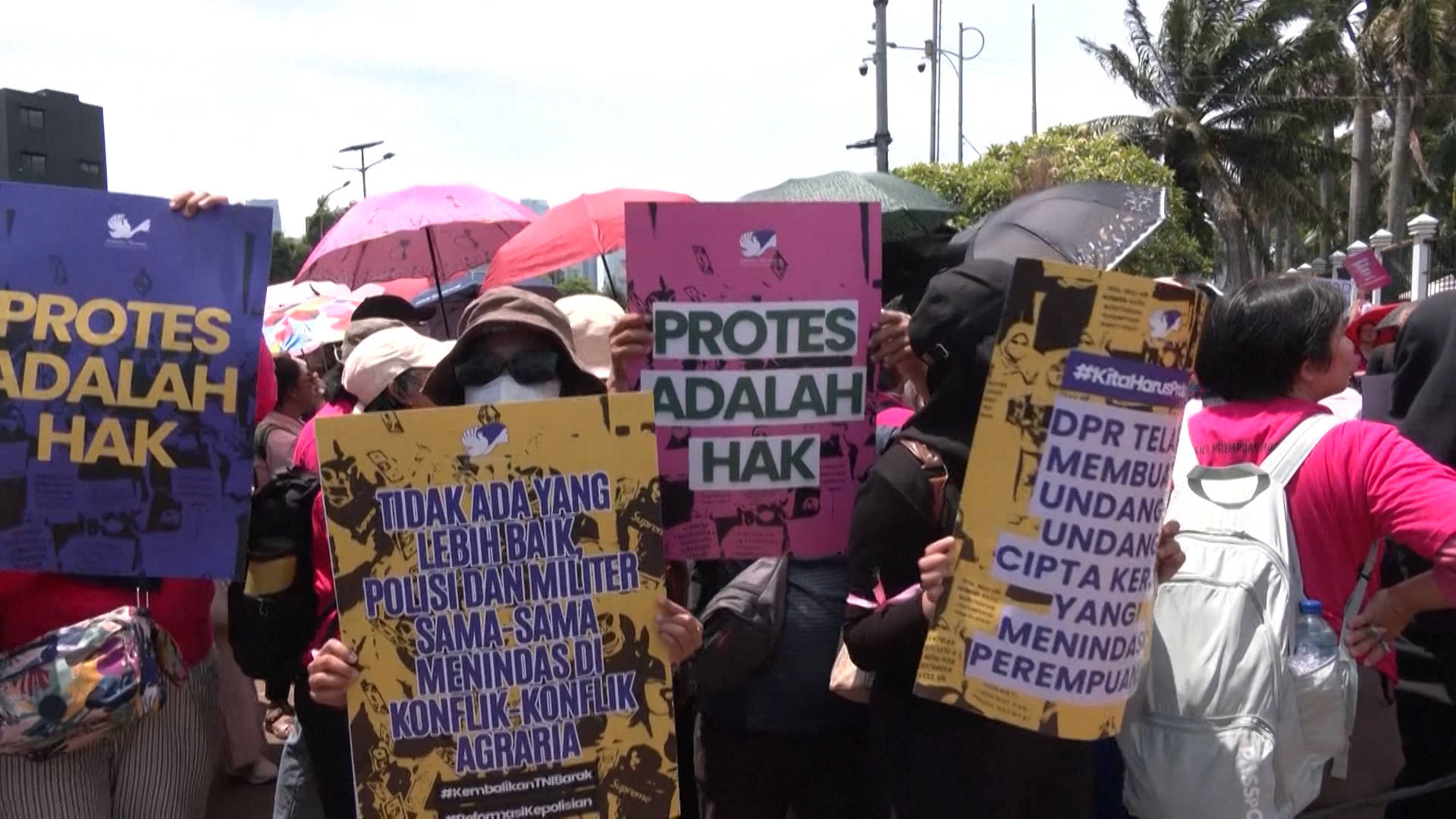
Recent events in Indonesia – from widespread protests to a controversial legislative decision and President Prabowo Subianto‘s unexpected trip to china – signal a complex period of political and economic tension. This analysis will delve into the meaning of thes developments, exploring the factors fueling public discontent and the implications for indonesia’s future.
The Controversial Legislation & Public Outcry
The catalyst for the recent unrest was legislation passed by the Indonesian parliament, perceived as prioritizing the interests of lawmakers over the needs of the populace. Specifically, a housing allowance for parliamentarians, reportedly ten times the national minimum wage, ignited public anger.
This sparked protests across the nation, fueled by a broader sense of economic inequality and a perceived disconnect between the political elite and ordinary citizens. Over 3,000 people have been arrested in the ensuing crackdown, raising concerns about freedom of expression and the government’s response to dissent.
Prabowo’s China Visit: A Signal of Confidence & Support
Amidst the domestic turmoil,President Prabowo subianto made a notable decision to attend a military parade in Beijing,China,despite initially cancelling a separate economic meeting in Shanghai. This move, and his subsequent meeting with Chinese President Xi Jinping, is highly meaningful.
Demonstrated Confidence: Prabowo’s decision to travel to China while facing protests at home suggests a confidence in the ability of the Indonesian military and police to maintain order.
Securing International Backing: The meeting with Xi Jinping, alongside leaders like Vladimir Putin and Kim Jong-un, signals a potential strengthening of ties with key international players. President Xi’s expressed thankfulness and affirmation of Prabowo’s governance further underscores this support.
Strategic alignment: The visit could indicate a shift in Indonesia’s foreign policy, potentially leaning towards closer alignment with China and other nations present at the parade.
The Economic Roots of Discontent
The protests aren’t simply about a housing allowance; they represent a deeper frustration with Indonesia’s economic landscape. Rising Costs & Inequality: Indonesians are facing increased taxes – including property and value-added taxes – while witnessing a perceived lack of accountability from their elected officials. Precarious Employment: The death of a motorcycle taxi driver in Jakarta became a potent symbol of the economic struggles faced by millions.Many Indonesians rely on precarious, part-time work like ride-hailing to supplement their income, highlighting the vulnerability of a significant portion of the population.
Erosion of Trust: Citizens feel political parties are prioritizing internal interests and the lifestyles of their leaders over the needs of their constituents. This erosion of trust is a critical factor driving the protests.
Government Response & Future Outlook
The government has responded with a firm hand, ordering strict measures against protesters while concurrently promising to uphold freedom of expression.However, the scale of the crackdown raises concerns about the suppression of dissent.
The future trajectory of these protests remains uncertain. While the government’s actions may temporarily suppress demonstrations, the underlying economic grievances and lack of trust in political institutions are likely to persist.
Addressing these basic issues – reducing economic inequality, increasing government accountability, and ensuring fair labor practices – will be crucial for stabilizing the situation and fostering long-term political and social harmony in Indonesia.
further Details:
For a more detailed analysis,refer to the Human Rights Watch report: “indonesia: End Crackdown on Protesters, Arbitrary Detention”
Disclaimer: This analysis is based on publicly available information as of October 26, 2023, and represents an informed interpretation of events. The situation is dynamic and subject to change.