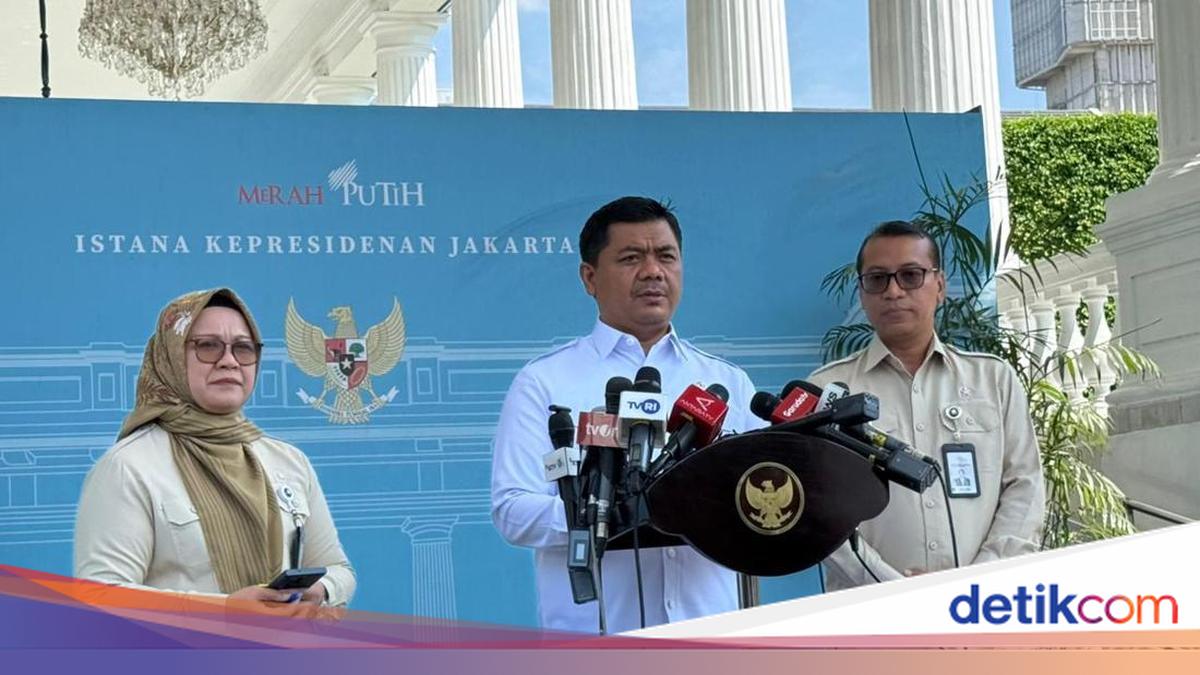
The Indonesian Presidential Palace has issued a formal clarification regarding the distribution of 1,098 sacrificial cows for the observance of Iduladha 1447 Hijriah. This initiative, which sees the government facilitating the provision of livestock to communities across the archipelago, has become a focal point of public discourse regarding the use of state funds for religious observances.
For many years, the practice of the President providing sacrificial animals—known as hewan kurban—has been a staple of the national Iduladha celebrations. According to official government communications, the funding for these 1,098 cattle is sourced from the State Budget (APBN), a practice that officials assert has been consistent across multiple presidential administrations, including those of Susilo Bambang Yudhoyono and Joko Widodo. The initiative is framed by the Palace as a form of government assistance aimed at supporting local communities during the holy festival.
Understanding the Role of State Funding in Religious Observances
The involvement of the state in providing livestock for sacrifice has prompted discussions regarding the intersection of administrative policy and religious tradition. Supporters of the initiative, including various political figures and religious organizations, have defended the practice by highlighting its historical precedent. The Indonesian Ulema Council (MUI), the nation’s top clerical body, has publicly noted that there is no religious objection to the use of state funds for this purpose, provided the process adheres to established administrative and syariah guidelines.
The distribution process is managed through a centralized system that coordinates with provincial governments. For instance, recent reports indicate that regional authorities, such as the Provincial Government of the Bangka Belitung Islands, have participated in virtual handover ceremonies to receive their allocated livestock from the central government. This digital coordination ensures that the aid reaches various regions efficiently, maintaining transparency in the distribution of state-funded resources.
For this Eid al-Adha 1447 Hijriah, the President is pleased to hand over as many as 1,098 sacrificial cows. So the budget source is from the state budget, which has been the standard practice for administrations in the past.
Administrative Consistency and Public Oversight
Critics and observers have raised questions regarding the fiscal propriety of using public funds for religious sacrifices. However, representatives from the Gerindra Party have emphasized that the practice is not a recent development but rather an institutionalized form of social assistance. By maintaining this tradition, the government aims to foster unity and provide tangible support to citizens who might otherwise lack the resources to participate in the traditional slaughter of livestock during the festival.

The accountability of this process remains a priority for the current administration. By ensuring that the 1,098 cows are distributed through official channels, the Palace seeks to mitigate potential issues regarding the health and quality of the livestock. Local agricultural offices often conduct health screenings to ensure that the animals meet the necessary standards for sacrifice, a process that is critical given the recent focus on livestock health monitoring across various Indonesian regions.
Key Takeaways: The 1,098 Sacrificial Cows Initiative
- Scope of Distribution: A total of 1,098 cattle have been allocated by the President for distribution to communities across Indonesia.
- Funding Source: The initiative is financed through the State Budget (APBN), consistent with practices observed during previous presidential terms.
- Clerical Stance: The Indonesian Ulema Council (MUI) has confirmed that the practice is considered permissible under Islamic law (syariah).
- Procedural Oversight: Regional governments, such as those in Bangka Belitung, coordinate with the central government via formal handover processes to ensure organized distribution.
As the nation concludes the observance of Iduladha 1447 Hijriah, the focus shifts toward the evaluation of these social assistance programs. While the debate regarding the use of public funds for religious activities will likely continue, the government maintains that the initiative serves as a bridge between the state and the public, reinforcing the government’s commitment to social welfare during significant religious holidays.

For further updates on government fiscal policies and social aid programs, citizens are encouraged to monitor official announcements from the Presidential Secretariat. We invite our readers to share their perspectives on this issue in the comments section below.
Worth a look