Mexico’s National Electoral Institute (INE) is taking a proactive stance on the rapidly evolving landscape of artificial intelligence, prioritizing ethical considerations and responsible implementation within its operations. This commitment extends beyond internal practices, with the INE now offering specialized training to local public organizations (OPLs) to foster a unified approach to AI governance across the country. The move underscores a growing global recognition of the need for robust regulatory frameworks surrounding AI, particularly within critical democratic institutions.
The INE’s initiative isn’t simply about adopting new technology; it’s about safeguarding the integrity of the electoral process in an age where AI-powered tools could potentially be used for misinformation, manipulation, or biased outcomes. By equipping its personnel and collaborating with OPLs, the INE aims to establish clear guidelines and protocols for the development and use of AI, ensuring transparency, accountability, and the protection of fundamental rights. This is particularly crucial in Mexico, where concerns about electoral interference and disinformation have been prominent in recent years.
INE Pioneers AI Regulation in Mexico
In August 2025, the INE became the first national institution in Mexico to formally regulate the use of artificial intelligence, approving guidelines and principles for its strategic development and regulated use. These guidelines integrate both global and national best practices, reflecting a commitment to staying at the forefront of AI governance. According to Claudia Arlett Espino, the INE’s Executive Secretary, the initiative was driven by instructions from the President of the Council, Guadalupe Taddei Zavala. The resulting framework is designed to provide clear direction to INE personnel on the appropriate use of AI and other innovative technologies.
This proactive approach to AI regulation comes at a time when the technology is increasingly integrated into various aspects of public life. The potential benefits of AI – increased efficiency, improved data analysis, and enhanced decision-making – are undeniable. However, these benefits are accompanied by significant risks, including algorithmic bias, data privacy concerns, and the potential for misuse. The INE’s regulatory framework seeks to mitigate these risks while harnessing the power of AI to improve electoral processes.
Comprehensive Training Program for INE Staff
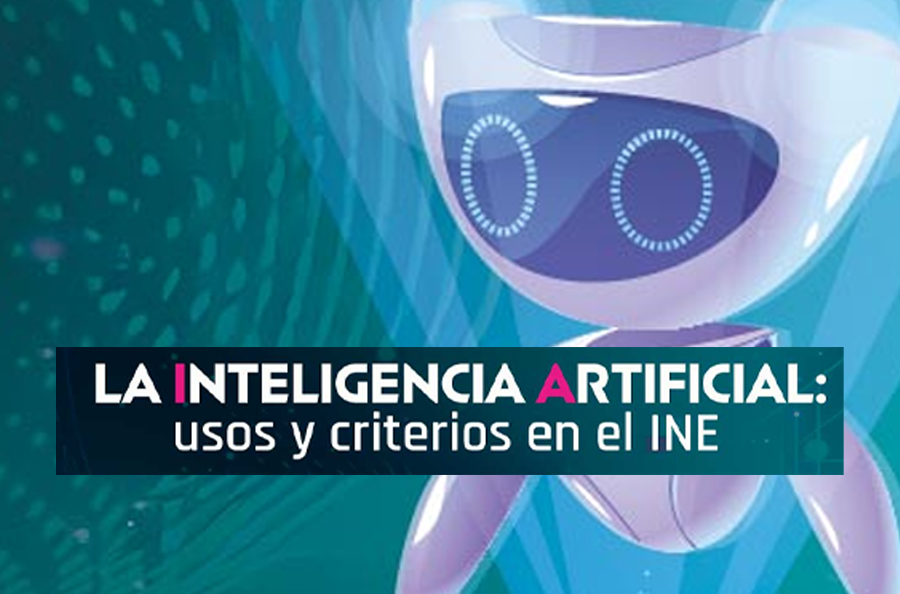
The cornerstone of the INE’s AI strategy is a comprehensive training program designed to raise awareness and build capacity among its staff. From January 26th to February 20th, 2026, a total of 16,932 INE officials participated in the online course, “Artificial Intelligence: Uses and Criteria in the INE,” delivered through the Institute’s Virtual Center. The course was structured around four interactive modules, totaling eight hours of effective online participation. The modules covered a range of critical topics, including an introduction to AI within the INE, policies governing its use, data protection and security protocols, and the importance of transparency and accountability.
The course adopted a self-managed learning model, empowering participants to manage their own time and resources while actively engaging with the material. This approach reflects a broader shift towards personalized learning and continuous professional development within the INE. The curriculum was specifically designed to ensure the safe, responsible, and ethical use of AI, aligning with the Institute’s core values and respect for human rights, legality, and transparency. The INE’s focus on these principles is particularly important given the sensitive nature of electoral data and the potential impact of AI on democratic processes.
Extending AI Governance to Local Public Organizations
Recognizing the importance of a coordinated national approach, the INE has extended its AI training program to Organismos Públicos Locales (OPLs). This initiative aims to establish consistent criteria for the responsible and ethical use of AI across all levels of the electoral system. The course will be available to 1,315 OPL personnel from March 9th to March 20th, 2026. This collaborative effort underscores the INE’s commitment to strengthening institutional capacity and fostering a shared vision for AI governance throughout Mexico.
The decision to involve OPLs in the training program is a strategic one. Local electoral organizations play a crucial role in implementing electoral processes at the regional level. By ensuring that OPL personnel are equipped with the knowledge and skills to navigate the complexities of AI, the INE can help to prevent inconsistencies and ensure a uniform standard of ethical conduct. This is particularly important in a country as diverse as Mexico, where regional variations in political culture and technological infrastructure can create challenges for national electoral administration.
The Four Pillars of the INE’s AI Training
The INE’s AI training program is built around four key modules, each designed to address a specific aspect of responsible AI implementation:
- Introduction to Artificial Intelligence in the INE: This module provides a foundational understanding of AI concepts, terminology, and applications within the context of the INE’s operations.
- Policies for the Use of Artificial Intelligence: This module outlines the INE’s guidelines and principles for the development and use of AI, emphasizing ethical considerations and legal compliance.
- Data Protection and Security: This module focuses on the importance of protecting sensitive electoral data and ensuring the security of AI systems against unauthorized access and cyber threats.
- Transparency and Accountability: This module emphasizes the need for transparency in AI decision-making processes and establishes mechanisms for accountability in case of errors or biases.
These modules collectively aim to equip INE and OPL personnel with the knowledge and skills necessary to navigate the challenges and opportunities presented by AI, ensuring that the technology is used in a manner that supports the integrity and fairness of the electoral process. The emphasis on ethical considerations, data protection, and transparency reflects a broader commitment to responsible innovation and public trust.
The INE’s efforts align with a growing international trend towards greater regulation of AI. Governments and organizations around the world are grappling with the ethical and societal implications of this powerful technology, and many are developing frameworks to ensure its responsible development and deployment. The INE’s proactive approach positions Mexico as a leader in AI governance within the Latin American region.
On X (formerly Twitter), the INE announced the completion of the training for its personnel and the availability of the course for OPLs.
As AI continues to evolve, the INE’s commitment to responsible innovation will be crucial for maintaining public trust in the electoral process. The ongoing training and collaboration with OPLs represent a significant step towards ensuring that AI is used to strengthen, rather than undermine, Mexico’s democratic institutions.
The next key date to watch is March 20th, 2026, when the AI training course concludes for OPL personnel. The INE will likely release a report summarizing the outcomes of the training and outlining its next steps for AI governance. We encourage readers to share their thoughts on the INE’s initiative and the broader implications of AI for democratic processes in the comments below.
Worth a look