
Measuring the success of influencer marketing campaigns requires a structured approach to defining and tracking Key Performance Indicators (KPIs) to accurately determine return on investment (ROI). As digital advertising budgets shift toward creator-led content, businesses are increasingly tasked with moving beyond vanity metrics—such as simple follower counts—to analyze engagement, conversion rates, and long-term customer acquisition costs. According to the Influencer Marketing Hub’s 2024 Benchmark Report, 60% of brands now prioritize conversion and sales as their primary performance metrics, signaling a departure from purely awareness-based strategies.
For marketing managers and business owners, the challenge lies in aligning campaign objectives with measurable data points. Defining clear KPIs at the outset of a partnership ensures that both the brand and the creator understand what constitutes a successful outcome. Whether the goal is brand awareness, lead generation, or direct sales, establishing a standardized reporting framework allows for data-driven decisions regarding future budget allocations and influencer partnerships.
Defining Core Performance Metrics
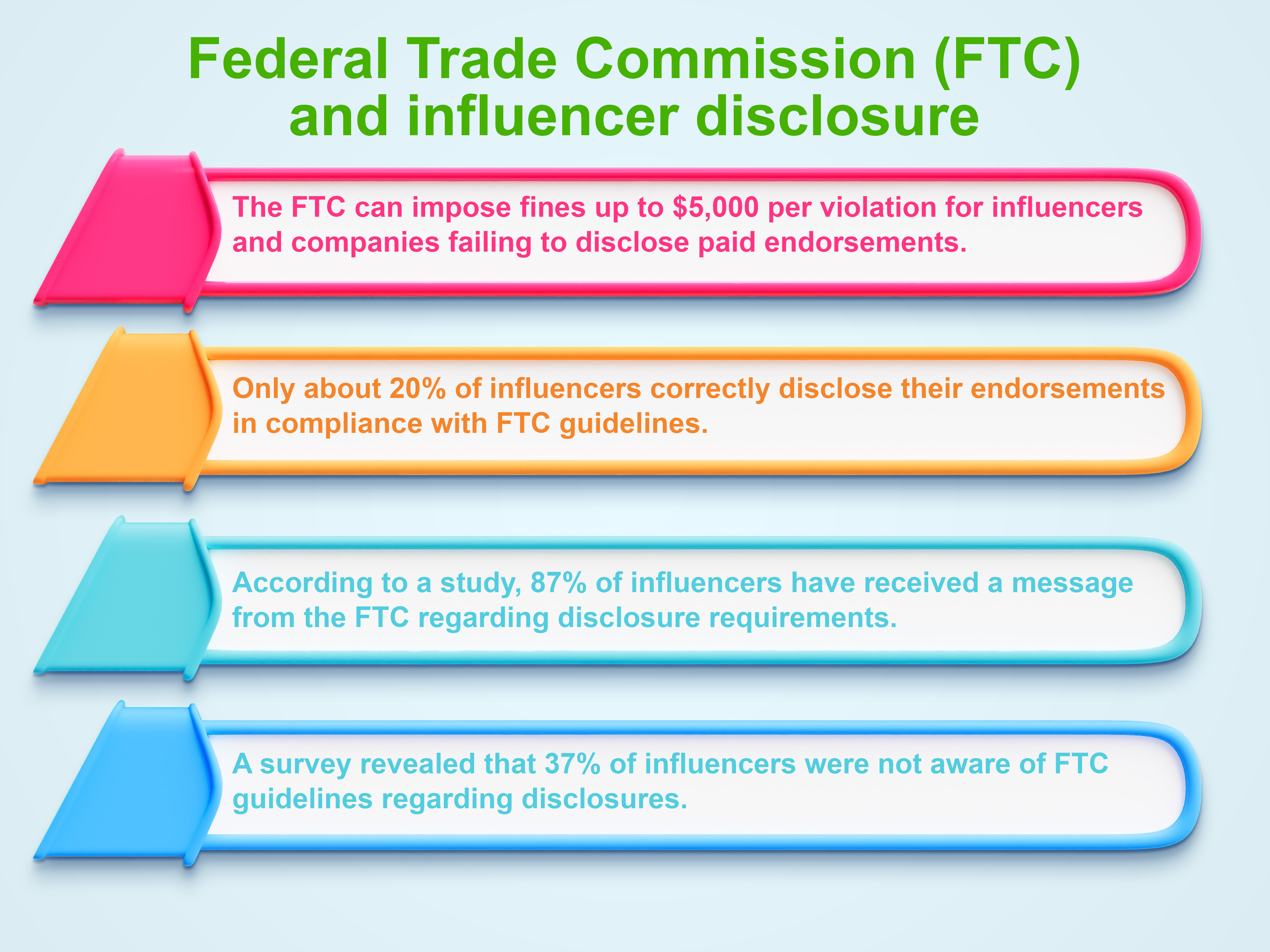
The selection of KPIs should be dictated by the specific phase of the marketing funnel the campaign intends to address. For top-of-funnel initiatives focused on brand discovery, reach and impressions remain the industry standard. However, the Federal Trade Commission (FTC) guidelines emphasize that transparency and clear disclosures are essential for maintaining consumer trust, which directly impacts the quality of engagement and brand sentiment.

When tracking engagement, experts typically look at the Engagement Rate (ER), calculated by dividing total interactions—likes, comments, and shares—by the total reach or follower count. A high ER suggests that the content resonates with the audience, whereas a high reach with low engagement may indicate a misalignment between the brand’s message and the influencer’s community. Furthermore, tracking referral traffic through UTM parameters provides a granular view of how many users moved from a social platform to a proprietary e-commerce site, a critical step in attributing sales to specific creator activities.
Calculating Return on Investment
Proving the financial impact of influencer marketing is often the most complex aspect of campaign management. ROI is calculated by subtracting the total cost of the campaign—including influencer fees, production costs, and software expenses—from the revenue generated, then dividing by the total cost. According to data from Forbes Agency Council, brands that utilize affiliate tracking links or unique discount codes are significantly more successful at isolating the revenue streams directly attributable to influencer content compared to those relying on estimation models.
To refine ROI calculations, companies should incorporate the Cost Per Acquisition (CPA) metric. By monitoring the cost of acquiring a single customer through an influencer’s referral, brands can determine if the partnership is sustainable compared to other channels like paid search or display advertising. If the CPA exceeds the customer lifetime value (CLV), the brand must adjust its commission structures or content strategies to ensure long-term profitability.
Tracking and Optimization Strategies
Continuous monitoring allows teams to optimize campaigns in real-time. Rather than waiting for a campaign to conclude, marketers are increasingly using A/B testing on creative assets and call-to-action (CTA) buttons. This iterative process, supported by platforms like Google Analytics 4, allows for the identification of top-performing influencers and content formats that yield the highest conversion rates.
Effective tracking requires a centralized dashboard that aggregates data from multiple social channels. By consolidating metrics—such as clicks, saves, and video completion rates—into a single view, businesses can identify patterns that inform future campaign briefs. It is essential to distinguish between organic reach and paid promotion, as each carries different weight when evaluating the overall effectiveness of the influencer’s influence on purchase intent.
Future Industry Standards and Reporting
As the regulatory environment for digital advertising evolves, the focus on data accuracy and ethical reporting will intensify. The Interactive Advertising Bureau (IAB) continues to advocate for standardized metrics across the industry to facilitate better benchmarking between brands. Future reporting will likely prioritize “social sentiment analysis,” which uses natural language processing to gauge the qualitative impact of a campaign beyond simple numerical data.

The next major checkpoint for businesses involved in influencer marketing is the upcoming fiscal year-end reporting, where most organizations will audit their annual social media spend against realized revenue. Maintaining detailed records of campaign performance now will be vital for justifying future marketing budgets. Readers are encouraged to share their experiences with tracking influencer performance in the comments section below to foster a broader discussion on industry best practices.