
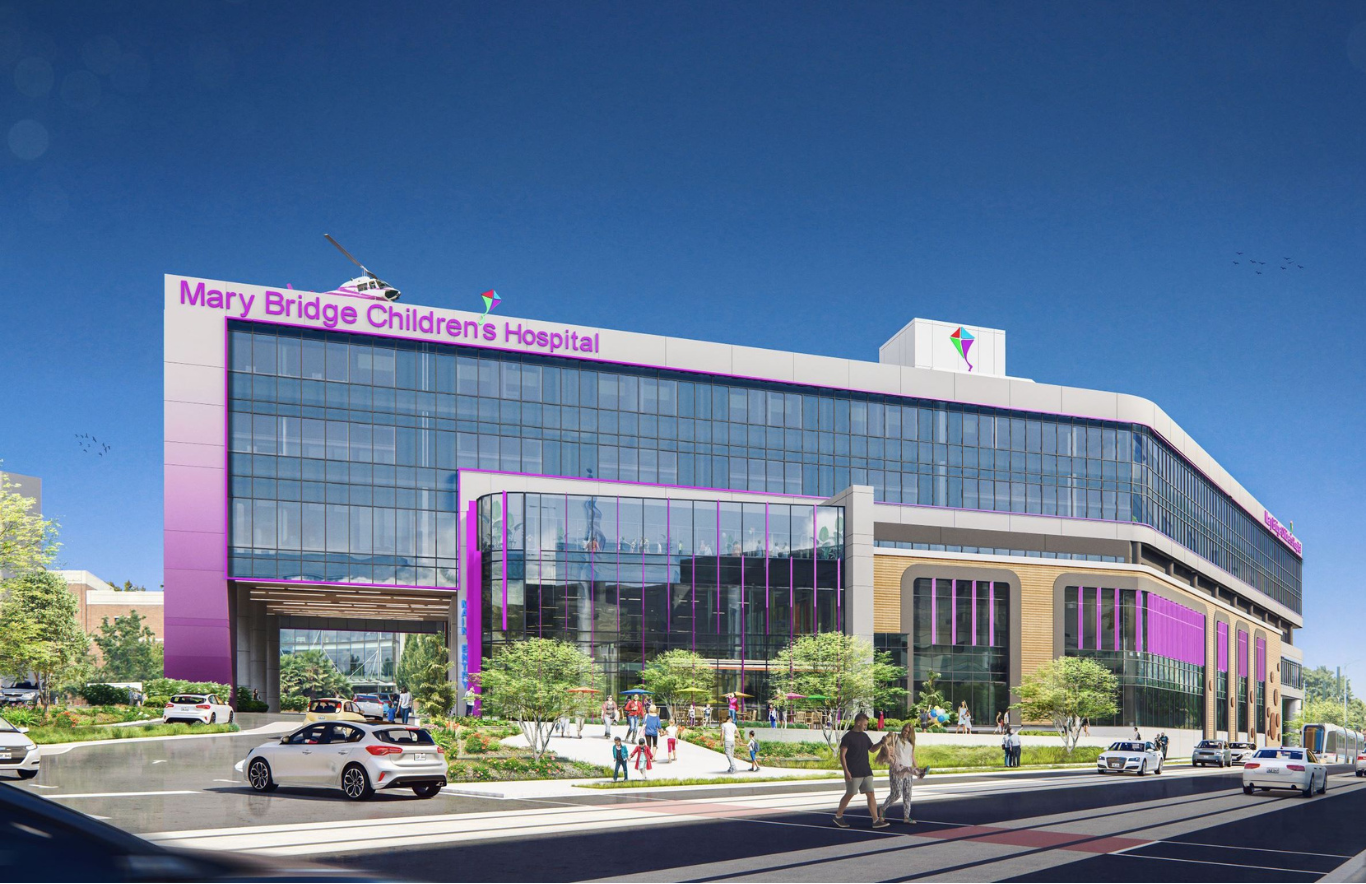
TACOMA, Wash. — On May 2, 2026, Mary Bridge Children’s Hospital will celebrate the grand opening of its new standalone pediatric facility, a milestone in healthcare infrastructure for the Pacific Northwest. The six-story, 250,000-square-foot hospital, located on the original Tacoma campus, represents a $480 million investment in dedicated pediatric care and is set to become one of the most advanced children’s hospitals in the region. The project, which began planning in 2018, reflects a growing trend in healthcare design: creating environments that prioritize both medical excellence and emotional well-being for young patients and their families.
As a physician and health journalist with over a decade of experience in medical innovation, I’ve seen firsthand how child-centered hospital design can transform patient outcomes. The new Mary Bridge facility is a prime example of this evolution, blending cutting-edge medical technology with thoughtful, age-appropriate spaces. For families in Western Washington, this opening marks a significant step forward in pediatric care access, particularly in trauma services, where Mary Bridge is the only Level II pediatric trauma center in the region. The hospital’s leadership has emphasized that the new building is not just a structure but a long-term commitment to serving the more than 100,000 children who rely on its services annually.
The timing of this project is particularly noteworthy. Construction teams spent nearly six years bringing the vision to life, with a critical redesign phase following the COVID-19 pandemic. This period forced healthcare leaders to rethink everything from patient flow to infection control, lessons that are now embedded in the hospital’s design. The result is a facility that balances clinical precision with the warmth of a home—a place where children can heal, families can stay close, and medical teams have the space and tools they demand to deliver specialized care.
A Return to Standalone Pediatric Care
For decades, pediatric services at Mary Bridge were housed within Tacoma General Hospital, a common arrangement in many healthcare systems. Still, the new facility marks a return to a standalone children’s hospital model, a shift that reflects a broader recognition of the unique needs of young patients. Pediatric care requires specialized equipment, age-appropriate environments, and staff trained to operate with children, all of which are more effectively delivered in a dedicated space.
The decision to build a freestanding hospital was driven by both practical and philosophical considerations. As MultiCare Health System, the hospital’s parent organization, has noted, children’s hospitals must address not only medical needs but also the emotional and developmental stages of their patients. A teenager’s experience of hospitalization, for example, differs significantly from that of a toddler, and the new facility is designed to accommodate these differences. The hospital’s leadership has described the project as a “generational investment” in the health of the community, one that will serve children from infancy through adolescence.

The new hospital’s location on the original Mary Bridge campus is symbolic. The site has a long history of pediatric care, dating back to the hospital’s founding in 1955. By returning to this location, the hospital is both honoring its past and looking toward the future. The six-story building will house not only clinical spaces but also family-centered amenities, including private rooms with dedicated areas for caregivers to stay overnight. This design choice aligns with research showing that family presence can improve patient outcomes and reduce stress for both children and parents.
Designing for Healing: A Child-Centered Approach
One of the most striking aspects of the new Mary Bridge Children’s Hospital is its emphasis on design that prioritizes healing and comfort. Unlike traditional acute-care hospitals, which often feel sterile and intimidating, this facility incorporates elements of the Pacific Northwest’s natural beauty to create a calming atmosphere. Regional imagery, nature-inspired artwork, and soothing color palettes are woven throughout the interior, from patient rooms to common areas. These choices are not merely aesthetic; they reflect a growing body of evidence showing that environmental design can influence patient recovery and emotional well-being.
The hospital’s design team faced a unique challenge: creating spaces that feel engaging for younger children while remaining comfortable for teenagers. This balance is evident in the facility’s age-specific zones. Playrooms for younger children feature interactive elements and bright, playful designs, while teen recreation areas offer more subdued, technology-friendly spaces. Even the medical equipment is designed with children in mind. For example, the hospital includes a child-scale scanner that allows young patients to “practice” imaging procedures through play, reducing anxiety before actual medical tests.
Private patient rooms are another key feature of the design. Each room includes dedicated space for family members, recognizing that parents and caregivers play a critical role in a child’s recovery. The rooms are also equipped with the latest medical technology, ensuring that care teams have the tools they need to deliver high-quality treatment. The facility’s eight new operating rooms are similarly state-of-the-art, designed to accommodate complex pediatric surgeries while minimizing stress for patients and families.
Lessons from the Pandemic: Flexibility and Resilience
The COVID-19 pandemic had a profound impact on the hospital’s construction, forcing project leaders to rethink elements of the design to address rising costs and evolving healthcare needs. The pandemic highlighted the importance of flexibility in hospital design, particularly in pediatric settings where infection control and patient flow are critical. The new facility incorporates several innovations aimed at improving operational efficiency and adaptability.
One of the most significant changes was the emphasis on modular design, which allows spaces to be reconfigured quickly in response to changing needs. This flexibility is particularly important in pediatric care, where patient volumes and acuity levels can fluctuate rapidly. The hospital’s layout also prioritizes patient flow, reducing the risk of cross-contamination and ensuring that families can navigate the facility with ease. These design choices reflect broader trends in healthcare construction, where hospitals are increasingly viewed as dynamic environments rather than static structures.
The pandemic also underscored the importance of family presence in pediatric care. The new hospital’s design reflects this lesson, with features that encourage caregivers to remain close to their children during treatment. From overnight accommodations in patient rooms to family-friendly food service options, the facility is designed to support the entire family unit. This approach aligns with research showing that family-centered care can lead to better outcomes, shorter hospital stays, and higher patient satisfaction.
Strengthening Pediatric Care in the Pacific Northwest
The opening of the new Mary Bridge Children’s Hospital comes at a critical time for pediatric care in the Pacific Northwest. The region has long faced challenges in providing specialized care for children, particularly in trauma services. As the only Level II pediatric trauma center in Western Washington, Mary Bridge plays a vital role in the healthcare ecosystem, serving patients from across the region. The new facility is expected to expand the hospital’s capacity, allowing it to care for more children while improving efficiency and reducing wait times.
The hospital’s impact extends beyond trauma care. With more than 100,000 children relying on its services annually, Mary Bridge is a cornerstone of pediatric healthcare in the South Puget Sound region. The new building will enable the hospital to offer a broader range of services, from routine check-ups to complex surgeries, all in an environment designed specifically for children. This specialization is critical, as pediatric care requires unique expertise and equipment that are not always available in general hospitals.
For the healthcare construction industry, the Mary Bridge project serves as a model for how to build specialized facilities that meet the needs of both patients and providers. Pediatric hospitals require highly coordinated mechanical, electrical, and life-safety systems, as well as stringent infection control and accessibility standards. The new facility demonstrates how these technical requirements can be integrated with hospitality-style interiors, creating a space that is both functional and welcoming. The project also highlights the growing demand for child-centered healthcare environments, a trend that is likely to continue as hospitals seek to improve patient outcomes and family experiences.
What’s Next for Mary Bridge Children’s Hospital
The grand opening on May 2 will mark the beginning of a new chapter for Mary Bridge Children’s Hospital. In the coming weeks, the hospital will transition its operations to the new facility, ensuring a seamless continuation of care for its patients. Families and community members will have the opportunity to tour the hospital and learn more about its services during a series of public events leading up to the opening.
For those interested in staying updated on the hospital’s progress, the MultiCare Health System website offers the latest information on services, visiting hours, and upcoming events. The hospital’s leadership has also emphasized the importance of community feedback, encouraging families to share their experiences and suggestions as the new facility begins operations.
As a physician who has witnessed the transformative power of child-centered healthcare, I am heartened by the opening of this new facility. The Mary Bridge Children’s Hospital is more than just a building; it is a testament to the region’s commitment to the health and well-being of its youngest residents. For families in Western Washington, it represents a brighter, more hopeful future for pediatric care.
What are your thoughts on the new Mary Bridge Children’s Hospital? Share your comments below, and don’t forget to share this article with friends and family who may be interested in learning more about this exciting development in pediatric healthcare.