
As a physician trained at the Charité – Universitätsmedizin Berlin, I have often observed how the landscape of sports medicine evolves, particularly when addressing chronic conditions that challenge both patients and surgeons. One such area currently seeing significant innovation is the management of insertional Achilles tendinopathy. While conservative, non-operative approaches remain the first line of defense for the vast majority of patients, the transition toward minimally invasive surgery (MIS) for cases that fail to respond to these measures represents a notable shift in orthopedic practice.
Achilles tendon pathology is a prevalent concern in clinical orthopedics, with reported rates of tendon-related issues varying widely across different populations. While estimates suggest these conditions affect approximately 6% of the general population, this figure can climb to as high as 85% among certain athletic cohorts. Within these broader diagnostic categories, insertional Achilles tendinopathy—which involves the point where the tendon attaches to the heel bone—accounts for approximately one-third of clinical cases. Understanding the biological and mechanical drivers of these conditions is essential for improving long-term outcomes for those suffering from persistent pain.
The Shift Toward Minimally Invasive Techniques
Historically, open surgical procedures have been the standard for addressing recalcitrant insertional Achilles tendinopathy. These open techniques allow surgeons direct visualization of the tendon and the calcaneus, facilitating the removal of bone spurs and degenerative tissue. However, the inherent nature of open surgery—requiring larger incisions—often necessitates longer recovery times and carries a risk of wound-healing complications. In response to these challenges, medical innovation has increasingly focused on the development of minimally invasive surgery (MIS) techniques.

The primary goal of adopting MIS for tendinopathy is to achieve the same therapeutic outcome as open surgery while minimizing trauma to the surrounding soft tissue. By utilizing smaller incisions and specialized instruments, surgeons can often reduce post-operative pain and improve the aesthetic and functional results for the patient. As these techniques continue to be refined, they offer a promising alternative for patients whose quality of life is severely impacted by chronic tendon pain that has not improved with physical therapy, orthotics, or other non-surgical interventions.
Biological Factors in Tendon Repair
Beyond the surgical approach, recent research has highlighted that the success of tendon repair may be influenced by the patient’s underlying immunological profile. For instance, studies conducted at the Center for Musculoskeletal Surgery at Charité–Universitätsmedizin Berlin have investigated how immune cell imbalances, specifically the ratio of CD4+ to CD8+ T cells, can affect the body’s ability to repair the Achilles tendon following injury or surgery. According to research published in iScience, such imbalances may contribute to poorer repair outcomes in some patients, suggesting that the future of orthopedic care may involve a more personalized approach that considers a patient’s individual biological response to tissue trauma (doi: 10.1016/j.isci.2025.114612).
This intersection of immunology and orthopedics is a burgeoning field. It emphasizes that surgical technique is only one piece of the puzzle. When we discuss “ideal” candidates for minimally invasive surgery, we must also consider the patient’s overall health and the biological environment of the tendon itself. Surgeons are increasingly looking at these markers to better predict which patients might benefit most from specific interventions.
Key Takeaways for Patients
For patients currently navigating treatment for Achilles pain, We see important to maintain a clear dialogue with your orthopedic specialist. The following points summarize the current clinical understanding of managing insertional Achilles tendinopathy:
- Conservative Care First: Non-operative management, including targeted physical therapy and biomechanical adjustments, remains the primary approach for the majority of patients.
- Surgery as a Last Resort: Operative intervention is typically reserved for cases that do not show improvement after a dedicated course of conservative treatment.
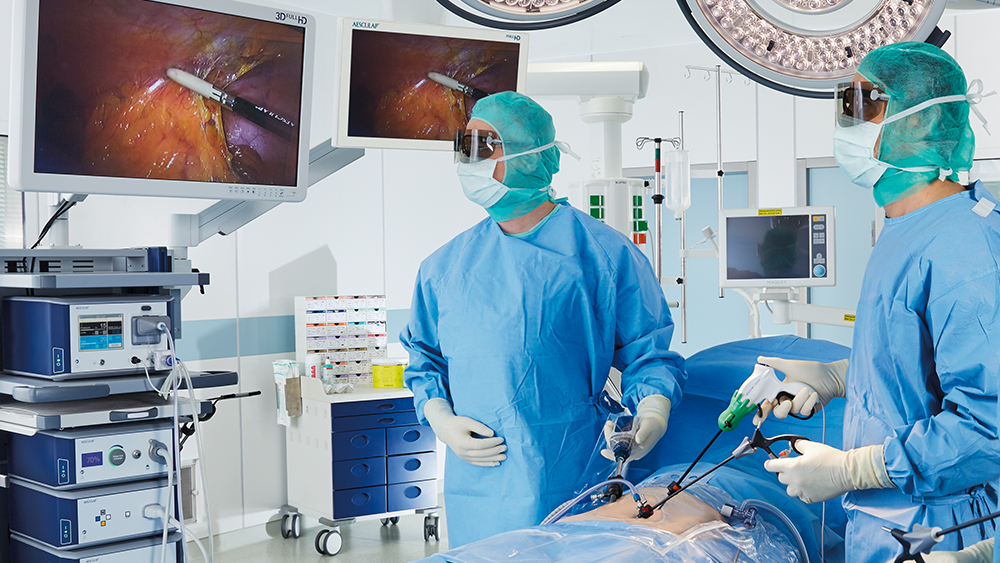
- The Role of MIS: Minimally invasive surgery provides an alternative to traditional open procedures, potentially reducing tissue trauma and recovery time in appropriately selected patients.
- Biological Considerations: Emerging research into immune cell profiles suggests that individual biological factors may influence the success of tendon repair, highlighting the importance of personalized care plans.
Looking Forward
The field of orthopedics is continuously evolving, with new data and surgical refinements emerging regularly. As we move forward, the integration of minimally invasive techniques with a deeper understanding of the patient’s individual biological response will likely define the next generation of care for Achilles tendinopathy. Patients should continue to seek updates from their primary orthopedic providers and rely on evidence-based clinical guidance when making decisions about surgical options.

As of May 2026, research continues into the long-term functional outcomes of MIS compared to traditional open techniques. I encourage our readers to discuss the latest clinical findings with their healthcare providers to determine the best course of action for their specific condition. If you have questions or experiences regarding your own recovery journey, please share them in the comments section below.