
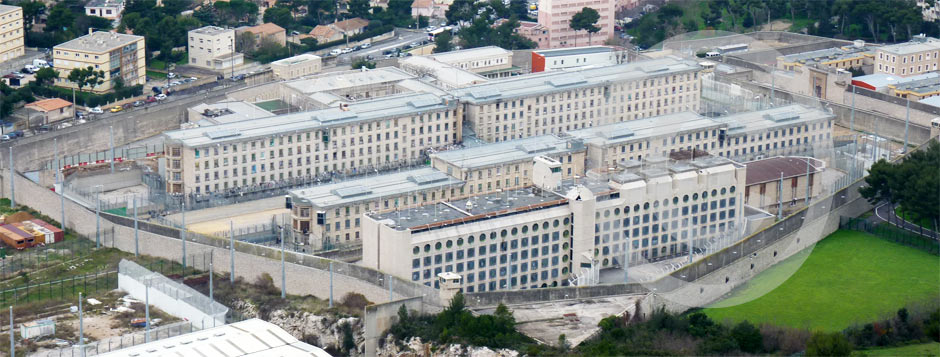
The landscape of incarceration in Southern France is currently facing a critical juncture as the city of Marseille grapples with the complexities of managing its inmate population. For decades, the name “Baumettes” was synonymous with a grueling environment and aging infrastructure, but the transition to a modern facility has not entirely erased the systemic pressures of the French penal system.
Current reports indicate that the Marseille prison system continues to house a significant population, with figures reaching approximately 1,450 detainees. This number is not merely a statistic; it represents a broader struggle within the French Ministry of Justice to balance security, human rights, and the logistical realities of urban detention centers. As the city evolves, the Marseille prison conditions remain a focal point for legal advocates and government officials alike.
The shift from the historic site to the recent Centre pénitentiaire de Marseille was intended to resolve chronic issues of overcrowding and hygiene. However, the persistent influx of detainees—driven by both local crime rates and national judicial trends—means that the new facility is already under immense pressure. This tension highlights a recurring theme in the region: the gap between architectural modernization and the actual capacity of the judicial system to manage the volume of prisoners.
From the Historic Baumettes to a Modern Facility
For nearly a century, the original Baumettes prison served as the primary detention hub for Marseille. Built in the mid-1930s, the facility became a symbol of the “old world” of French incarceration—characterized by narrow cells, poor ventilation, and a layout that struggled to adapt to modern human rights standards. The site eventually became unsustainable, leading to a comprehensive plan for its replacement.
The transition culminated in the closure of the historic complex and the inauguration of a new, state-of-the-art facility. This new center was designed to move away from the punitive atmosphere of the past, incorporating better lighting, improved sanitary facilities, and dedicated spaces for vocational training and psychological support. The goal was to transform the prison from a mere holding pen into a space capable of facilitating actual rehabilitation.
Despite these physical improvements, the “ghost” of the old system persists in the form of population density. Even as the new walls are stronger and the cells cleaner, the number of people behind them continues to climb. The move to a new building solved the problem of crumbling masonry, but it did not solve the underlying issue of judicial backlog and the high rate of pretrial detention in the Bouches-du-Rhône department.
The Crisis of Overcrowding in Marseille
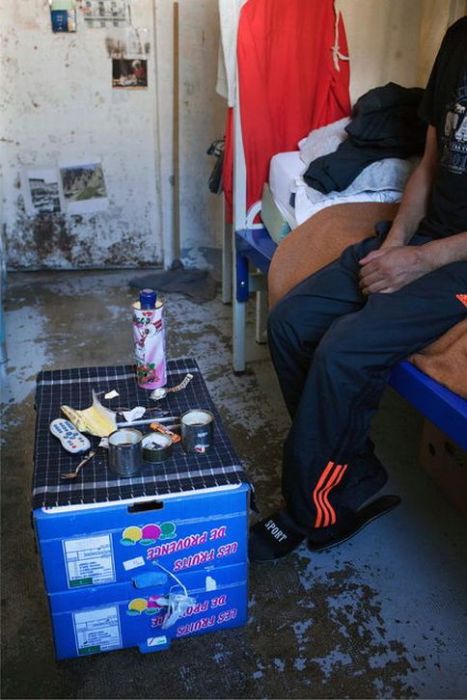
Overcrowding is not a phenomenon isolated to Marseille; We see a systemic crisis affecting detention facilities across France. The presence of roughly 1,450 inmates in the Marseille center puts a strain on staff, medical resources, and the mental health of the detainees. When a facility operates near or beyond its intended capacity, the focus often shifts from rehabilitation to basic containment.

The impact of this density is most visible in the “quartiers” (wings) of the prison, where shared spaces turn into congested. Overcrowding often leads to a degradation of living conditions, which can spark tensions between inmates and staff. According to reports on French prison conditions, the saturation of these centers frequently leads to legal challenges from human rights organizations, who argue that extreme overcrowding constitutes “inhuman or degrading treatment.”
the demographic makeup of the population adds another layer of complexity. The facility houses a mix of long-term convicts, pretrial detainees, and individuals awaiting deportation. This diversity requires different levels of surveillance and support, yet the limited space often forces a “one size fits all” approach to management, which can hinder the effectiveness of the judicial process.
Impact on Inmate Welfare and Rehabilitation
The primary objective of any modern penal system is to reduce recidivism. However, the high population density in Marseille’s facilities creates an environment where rehabilitation programs are often underfunded or oversubscribed. When 1,450 individuals are competing for a limited number of workshop spots or educational courses, the opportunity for personal growth is diminished.
Psychological welfare is another area of concern. The stress of living in a high-density environment, coupled with the uncertainty of legal proceedings, contributes to high levels of anxiety and depression among inmates. The lack of adequate private space can exacerbate existing mental health issues, making the transition back into society more difficult and increasing the likelihood of re-offending.
Medical care too faces logistical hurdles. While the new facility includes a prison hospital, the sheer volume of patients can lead to longer wait times for non-urgent care. In a system where health is often linked to the quality of the living environment, the pressure of overcrowding can lead to a rise in respiratory infections and other communicable diseases, requiring constant vigilance from the medical staff.
Key Takeaways: The State of Marseille’s Detention System
- Infrastructure Shift: The transition from the historic Baumettes to the new Centre pénitentiaire de Marseille improved physical hygiene and security but did not eliminate population pressures.
- Population Strain: Housing approximately 1,450 inmates creates significant logistical challenges for staff and reduces the quality of life for detainees.
- Systemic Overcrowding: Marseille reflects a national French trend where prison populations grow faster than the construction of new facilities.
- Rehabilitation Barriers: High density limits access to vocational training and mental health support, potentially increasing recidivism rates.
- Human Rights Focus: International and domestic observers continue to monitor the facility to ensure that overcrowding does not violate basic human dignity.
The Path Forward: Judicial Reform and Capacity
Addressing the situation in Marseille requires more than just building larger walls. Legal experts argue that the solution lies in judicial reform—specifically, the reduction of pretrial detention. A significant portion of the 1,450 inmates are individuals who have not yet been convicted of a crime but are held while awaiting trial. By utilizing electronic monitoring and other alternative measures, the state could significantly reduce the immediate pressure on the facility.
there is a growing call for increased investment in social reintegration programs. By strengthening the link between the prison and the community, the state can ensure that once an inmate is released, they have the housing and employment support necessary to avoid returning to the system. This “exit strategy” is just as important as the “entry strategy” of secure detention.
The Marseille justice system is currently under pressure to streamline its proceedings to clear the backlog of cases. Until the rate of release matches or exceeds the rate of intake, the facility will likely continue to operate at a precarious level of capacity, testing the limits of its modern infrastructure.
The next confirmed checkpoint for the facility will be the upcoming annual review by the Contrôleur général des lieux de privation de liberté (CGLPL), the independent body tasked with monitoring the conditions of detention in France. Their report will provide a verified assessment of whether the current population levels are sustainable and if the standards of inmate welfare are being met.
Do you believe the focus of the penal system should be on modernization of facilities or judicial reform to reduce populations? Share your thoughts in the comments below and share this report with others interested in international justice systems.
Keep reading