
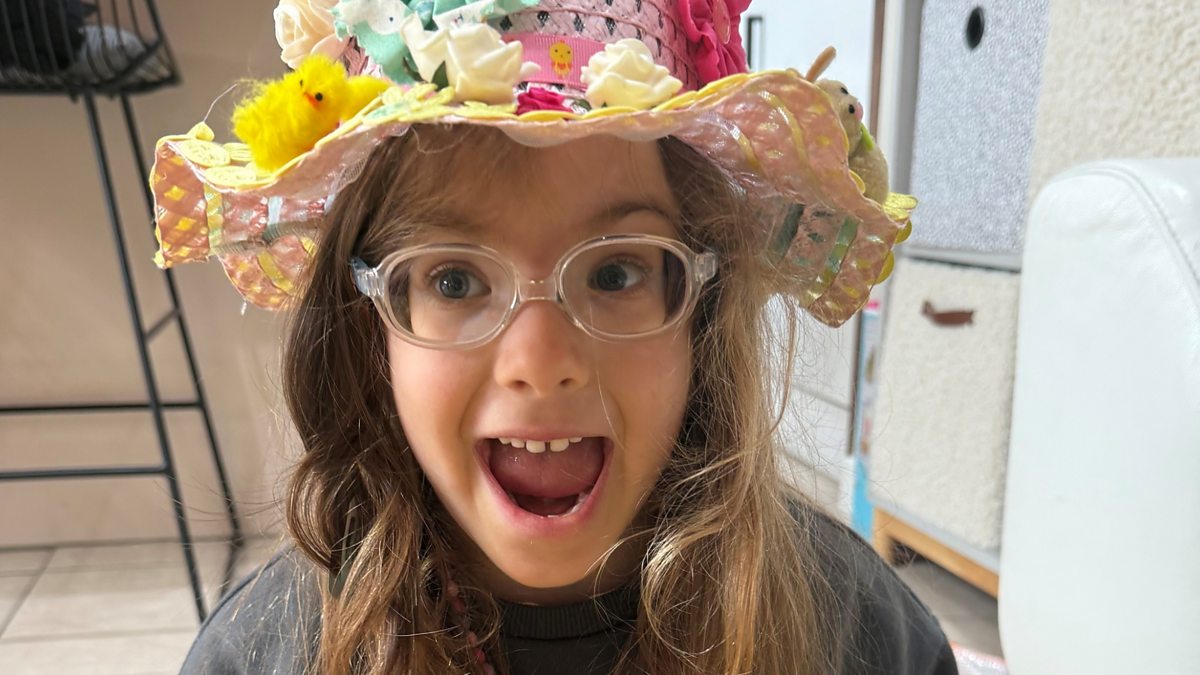
For six-year-old Saffie, the world was once a place of encroaching shadows. Born with a rare genetic condition that threatened to leave her completely blind by adulthood, her future was defined by a ticking clock of diminishing sight. However, a groundbreaking medical intervention at Great Ormond Street Hospital in the United Kingdom has rewritten that narrative, restoring her vision and providing a glimpse into the future of pediatric medicine.
The treatment, a sophisticated form of gene therapy, has allowed Saffie to transition from a life of limitation to one of exploration. Her mother describes her daughter as now “thriving,” noting that the results of the procedure have been nothing short of “incredible.” This success story is not merely a personal victory for one family but a significant milestone in the broader effort to cure inherited retinal diseases that have historically been untreatable.
The case highlights the rapid evolution of genomic medicine, where doctors are no longer simply managing the symptoms of genetic blindness but are actively correcting the underlying biological errors. By delivering a functional copy of a missing or mutated gene directly into the eye, clinicians are effectively “restarting” the visual process for children who would otherwise lose their sight.
The Science of Sight: How Gene Therapy Works
To understand the impact of Saffie’s treatment, it is necessary to examine the mechanics of gene therapy for childhood blindness. Most inherited forms of blindness are caused by mutations in specific genes that provide the instructions for creating proteins essential for the retina’s function. When these proteins are missing or defective, the photoreceptors—the cells that convert light into electrical signals for the brain—begin to degenerate.

The therapy administered at Great Ormond Street Hospital involves using a viral vector—a neutralized virus—to act as a delivery vehicle. This vector carries a healthy, functional version of the targeted gene and is injected directly beneath the retina. Once inside the cells, the new gene begins producing the necessary proteins, halting the degeneration and, in many cases, restoring a degree of visual function.
One of the most prominent examples of this technology is voretigene neparvovec (marketed as Luxturna), the first FDA- and EMA-approved gene therapy for a genetic disease of the retina. It specifically targets mutations in the RPE65 gene. While not every form of blindness can yet be treated this way, the success of such therapies provides a blueprint for tackling other genetic mutations that cause retinal dystrophy.
The Role of Great Ormond Street Hospital in Global Pediatrics
Great Ormond Street Hospital (GOSH) has long been at the forefront of pediatric innovation. By integrating cutting-edge research with clinical application, the institution provides a critical lifeline for children with “orphan diseases”—conditions so rare that they often lack dedicated research or treatment options in standard healthcare settings.
The multidisciplinary approach at GOSH ensures that patients like Saffie receive not only the surgical intervention but also the long-term rehabilitative support necessary to adapt to their restored vision. This comprehensive care model is essential because the brain must often “relearn” how to process visual information that was either missing or severely distorted during early development.
The hospital’s commitment to clinical trials and the adoption of genomic medicine has positioned London as a global hub for ocular gene therapy. As more children undergo these procedures, the medical community is gathering vital data on the longevity of the treatment and the optimal age for intervention to maximize visual recovery.
Beyond the Individual: The Broader Impact of Genomic Medicine
Saffie’s recovery represents a shift in the medical paradigm from chronic care to curative intervention. For decades, the standard of care for inherited blindness was limited to low-vision aids and educational support. The arrival of gene therapy introduces the possibility of a permanent fix, potentially saving thousands of children from a lifetime of total blindness.
The implications extend beyond the eyes. The success of ocular gene therapy is fueling advancements in other areas of medicine, including the treatment of spinal muscular atrophy and certain types of inherited deafness. Because the eye is an “immune-privileged” site—meaning the body’s immune system is less likely to attack foreign genetic material—it serves as an ideal testing ground for gene-editing technologies.
However, the path to widespread accessibility remains challenging. These treatments are among the most expensive medications in the world, often costing hundreds of thousands of dollars per eye. The ongoing debate among healthcare providers and governments centers on how to make these life-changing therapies affordable and accessible to children regardless of their socioeconomic status.
Key Considerations for Families Facing Genetic Vision Loss
- Early Diagnosis: Genetic testing is crucial for identifying the specific mutation, as gene therapies are highly targeted and only work for specific genetic markers.
- Specialized Centers: Treatment typically requires a highly specialized surgical team capable of performing subretinal injections.
- Eligibility: Not all patients are candidates. the presence of viable retinal cells is usually necessary for the therapy to be effective.
- Long-term Monitoring: Regular follow-ups are required to monitor the stability of the vision and the health of the retina.
The Future of Vision Restoration
While current therapies focus on replacing a single faulty gene, the next frontier of vision restoration involves CRISPR-Cas9 gene editing. Unlike traditional gene therapy, which adds a new gene, CRISPR allows scientists to “edit” the existing DNA, potentially correcting mutations in situ. This could open the door to treating more complex genetic conditions that involve larger genes than current viral vectors can carry.
research is expanding into the use of optogenetics, which involves introducing light-sensitive proteins into non-photoreceptor cells. This could potentially restore sight even in patients whose photoreceptors have already been completely lost, offering hope to those who are already totally blind.
As these technologies mature, the focus will shift toward refining the delivery methods to make the procedures less invasive and more scalable. The goal is a future where a genetic diagnosis at birth is no longer a sentence of inevitable blindness, but a roadmap to a timely and effective cure.
For now, Saffie’s story serves as a powerful testament to the synergy of scientific curiosity and clinical excellence. Her ability to see the world clearly is a reminder that the boundaries of “untreatable” diseases are constantly being pushed back by the persistence of researchers and the bravery of young patients.
Updates on the progress of pediatric gene therapy trials and new approvals for retinal treatments are typically released through official medical channels and institutional announcements from hospitals like GOSH.
Do you have experience with genomic medicine or a story about a medical breakthrough that changed your life? Share your thoughts in the comments below or share this article to spread hope for families facing rare genetic conditions.