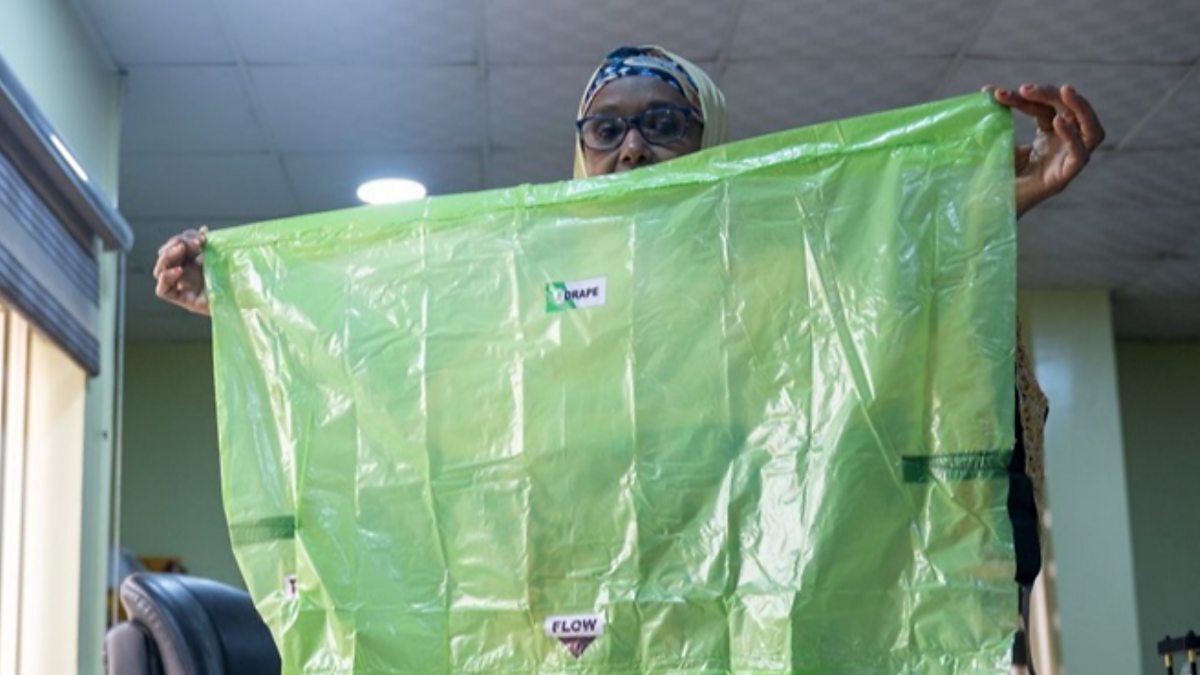
In the landscape of global maternal health, innovation is often synonymous with high-cost technology. However, a remarkably simple intervention—a calibrated plastic drape—is currently reshaping how clinicians manage postpartum hemorrhage (PPH), a leading cause of maternal mortality worldwide. As we examine the progress being made in clinical settings, it becomes clear that low-cost, high-impact solutions are vital to achieving international health equity.
The device, often referred to as a blood collection drape, is designed to provide an accurate, visual measurement of blood loss during childbirth. By clearly indicating the volume of fluid collected, the drape allows medical teams to identify life-threatening hemorrhage earlier than visual estimation alone, which is notoriously unreliable in emergency situations. According to the World Health Organization (WHO), maternal mortality remains a critical global concern, with most deaths being preventable through timely interventions that address excessive bleeding.
This initiative, which has gained significant traction through clinical trials in regions such as Nigeria, highlights the importance of scalable medical tools. The implementation of these drapes is part of a broader shift toward evidence-based, simplified obstetric care in low-resource settings, where the ability to mobilize resources rapidly can mean the difference between life and death.
Precision in Crisis: The Role of Calibrated Drapes
Postpartum hemorrhage is defined as the loss of 500 milliliters or more of blood within 24 hours after birth. The challenge in many clinical environments is that blood loss is frequently underestimated by providers, leading to delayed administration of uterotonic drugs, intravenous fluids, or surgical intervention. The calibrated drape acts as a diagnostic aid, providing a clear, quantitative threshold that prompts immediate action. Data published in the New England Journal of Medicine regarding the E-MOTIVE trial demonstrated that early detection and a bundled care approach significantly reduced the incidence of severe postpartum hemorrhage.
The success observed in pilot programs suggests that the drape is not merely a piece of plastic, but a transformative component of maternal safety protocols. By standardizing the measurement process, the tool removes the ambiguity of visual estimation, ensuring that clinicians can follow standardized protocols with greater confidence and accuracy.
Global Health Initiatives and Community Resilience
While the focus on maternal health remains a priority, the spirit of global connection and community support extends into various sectors of social welfare. From long-standing personal bonds that span decades to specialized groups addressing health challenges, these stories reflect a shared human commitment to resilience.
For instance, the therapeutic power of community is evident in specialized fishing initiatives that provide support for breast cancer survivors. Engaging in nature-based activities has been linked to improved mental well-being and social integration for individuals navigating the complexities of post-treatment recovery. Similarly, conservation efforts, such as the protection of the Indian Skimmer (Rynchops albicollis), underscore the global effort to preserve biodiversity. This water bird, currently listed as Vulnerable by the IUCN, relies on specific riverine habitats that are increasingly threatened by human activity and environmental degradation.
Environmental restoration also takes a long-term view in Northern Ireland, where efforts are underway to restore rare rainforest ecosystems. These temperate rainforests, which once covered much larger areas of the British Isles, are being nurtured through century-long conservation strategies to ensure their survival for future generations. This commitment to long-term ecological health mirrors the dedication seen in healthcare: a focus on sustainable, life-saving outcomes that require patience, resources, and expert coordination.
Adapting Environments for Neurodiversity
In Australia, the focus on health and well-being has expanded into the built environment, with architects and designers increasingly adapting homes to better support individuals with ADHD. These modifications often focus on reducing sensory overload, creating structured spaces, and improving executive function through intuitive home design. By minimizing distractions and enhancing organization, these adaptations provide a more supportive living environment, demonstrating how environmental design can act as a non-pharmacological support system for neurodivergent individuals.

Key Takeaways on Global Progress
- Maternal Health: Calibrated drapes are reducing maternal mortality by enabling early detection of postpartum hemorrhage.
- Conservation: Long-term restoration projects in Northern Ireland are targeting the revival of rare temperate rainforests.
- Neurodiversity: Home design in Australia is evolving to accommodate the needs of individuals with ADHD through sensory-conscious planning.
- Community Support: Recreational groups, such as fishing clubs for cancer survivors, continue to provide vital mental health support globally.
As we move forward, the integration of these diverse solutions—ranging from clinical medical devices to environmental and architectural adaptations—reflects a holistic approach to human and planetary health. The next milestone for maternal health advocates involves the broader integration of the E-MOTIVE bundle into national health systems following the success of large-scale clinical validation. For readers interested in the ongoing expansion of these maternal health protocols, the WHO clinical guidelines on postpartum hemorrhage provide the most current, evidence-based framework for healthcare providers worldwide.
Maria Petrova is the Editor of the World section at World Today Journal. With over 14 years of experience, she specializes in the intersection of geopolitics, human rights, and global health policy.
We welcome your thoughts on these developments. Share your perspective or join the conversation in the comments section below.
Worth a look