
Valve is preparing SteamOS for Intel’s upcoming Arc G3 handhelds, marking a potential shift in the handheld gaming market dominated by AMD-based devices like the Steam Deck. While early beta builds on the MSI Claw show performance behind Windows 11, Valve’s move could accelerate adoption of Intel’s new processors—if stability improves.
Intel’s Arc G3 platform, part of the Core Ultra series 3 (Panther Lake), is poised to challenge AMD’s Ryzen Z series in handheld gaming. The company has already teased Arc G3-powered devices from MSI, Acer, and OneXPlayer at Computex, all running Windows 11 with Xbox integration. Meanwhile, Valve’s decision to extend SteamOS support to Intel hardware—beyond its existing AMD builds for devices like the Asus ROG Ally and Lenovo Legion—could redefine the competitive landscape.
For now, SteamOS on Intel hardware remains in beta, with early tests on the MSI Claw 8 AI+ revealing controller quirks and performance lagging behind Windows 11 benchmarks—a reversal of the usual SteamOS advantage on AMD chips. Yet, if Valve optimizes for Arc G3, it could give gamers a compelling reason to bypass Microsoft’s ecosystem entirely.
Why SteamOS on Intel Handhelds Matters
SteamOS isn’t just an operating system—it’s a gateway to Valve’s dominant game library, which already powers 75% of PC gaming sales. By offering free, customizable builds for competing hardware, Valve has turned the Steam Deck into a de facto standard, even as its price has doubled since launch. Now, with Intel’s Arc G3 entering the fray, the stakes are higher: If Valve delivers stable SteamOS support, it could sway gamers away from Windows-based handhelds, especially as Microsoft pushes its own Xbox-branded interface.

Intel’s push into handhelds isn’t just about hardware—it’s a strategic response to Valve’s ecosystem lock-in. The company’s Arc G3 chips, designed for efficiency and performance, are already powering laptops and tablets, but handhelds represent a new battleground. “This is a direct challenge to AMD’s dominance in the space,” says AnandTech, noting that Intel’s entry could force Valve to adapt—or risk losing ground.
Yet challenges remain. SteamOS still struggles with kernel-level anti-cheat systems like BattlEye, limiting compatibility for competitive titles. And while Windows 11’s Xbox integration offers a polished experience, Valve’s Linux-based OS is optimized for gaming—if it can overcome Intel’s driver hurdles.
Early Benchmarks: SteamOS on Intel Falls Behind Windows
Initial tests on the MSI Claw 8 AI+—the only Intel-based handheld with a SteamOS beta—reveal a critical difference from AMD devices. On AMD chips, SteamOS often outperforms Windows due to Linux optimizations. But on Intel’s Lunar Lake platform, benchmarks from VideoCardz and ETAPrime show SteamOS trailing Windows 11 in frame rates, a reversal that could deter early adopters.
However, the Claw’s performance is still “more than acceptable” for a beta build, according to Gamers Nexus. The issue lies in driver maturity—Intel’s Arc drivers for Linux are still catching up to Windows. If Valve and Intel collaborate to refine the build, the gap could narrow.
Key Takeaway: SteamOS on Intel is viable but not yet competitive. Stability and performance will determine whether gamers switch from Windows.
Who Stands to Gain—or Lose?
For gamers, the biggest question is whether SteamOS on Intel will deliver a seamless experience. Early adopters of AMD-based handhelds have praised SteamOS for its gaming focus, but Intel’s entry could split the market. “If Valve can match Windows performance, it could push Microsoft out of the handheld space entirely,” says TechSpot.
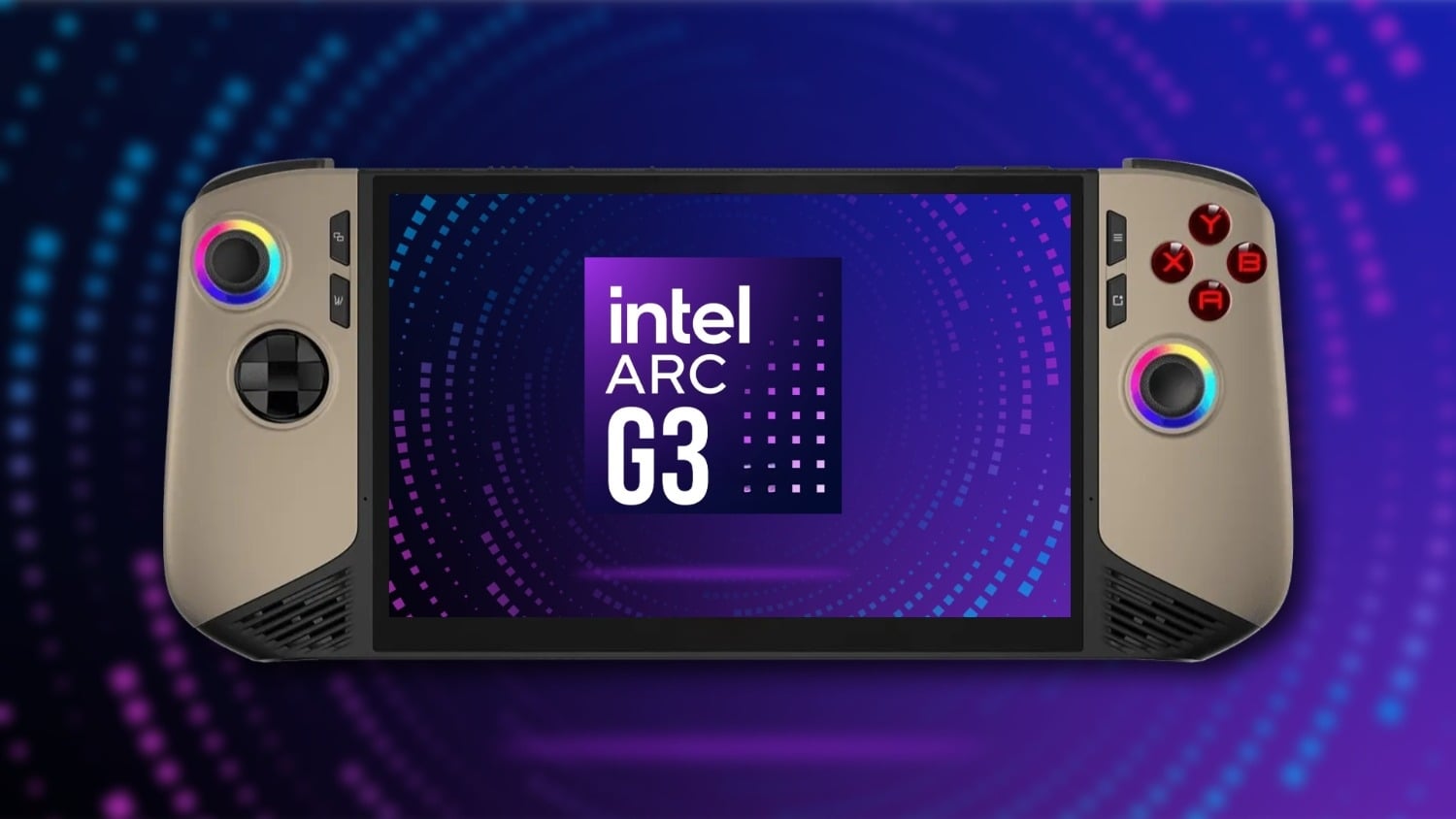
For Intel, SteamOS support could be a game-changer. The company has struggled to regain ground in gaming after years of AMD dominance. By aligning with Valve, Intel could accelerate Arc G3 adoption, especially if SteamOS becomes the preferred OS for handheld gaming.
For Microsoft, the threat is clear: Valve’s ecosystem is already more entrenched than Xbox’s. If SteamOS on Intel succeeds, Microsoft risks losing control of the handheld market to a Linux-based alternative.
What Happens Next: Valve’s Timeline and Challenges
Valve has not confirmed a release date for SteamOS on Arc G3 handhelds, but industry analysts expect a beta within months of the devices’ launch—likely in late 2024. The biggest hurdle? Driver optimization. Intel’s Arc drivers for Linux are improving but still lag behind Windows. “Valve will need to work closely with Intel to ensure stability,” warns IFanR.
Meanwhile, Valve is also eyeing Nvidia’s RTX Spark, an Arm-based chipset targeting laptops. With the upcoming Steam Frame VR headset (using Qualcomm’s Snapdragon XR2), Valve is deepening its Arm partnerships. Could SteamOS eventually run on Nvidia-powered laptops? It’s speculative, but the company has hinted at broader hardware support.
Next Steps:
- Q3 2024: Expected launch of Arc G3 handhelds from MSI, Acer, and OneXPlayer.
- Late 2024: Potential SteamOS beta for Arc G3, if driver issues are resolved.
- 2025: Possible SteamOS support for Nvidia RTX Spark laptops, if Valve expands Arm compatibility.
FAQ: SteamOS on Intel Handhelds
Q: Will SteamOS on Intel be as good as on AMD?
A: Early benchmarks show SteamOS trailing Windows on Intel, unlike AMD where it often outperforms. Stability will depend on driver improvements.
Q: Can I install SteamOS on any Intel handheld?
A: Valve has only confirmed beta builds for the MSI Claw. Official support for other Arc G3 devices depends on future updates.
Q: Will this affect Steam Deck sales?
A: Unlikely. The Steam Deck remains Valve’s flagship, but Intel handhelds could attract price-sensitive gamers if SteamOS becomes stable.
Q: What games won’t work on SteamOS?
A: Titles using kernel-level anti-cheat (e.g., BattlEye, Easy Anti-Cheat) may require Windows. Valve is working on Proton improvements to mitigate this.
Q: How does this compare to Microsoft’s Xbox handheld?
A: Microsoft’s rumored handheld (codenamed “Xbox Handheld”) would run Windows 11 with Xbox integration. SteamOS offers broader game library access but lacks console exclusives.
The Bigger Picture: Could SteamOS Become the Default for PC Gaming?
Valve’s strategy isn’t just about handhelds—it’s about cementing SteamOS as the default OS for PC gaming. By offering free, customizable builds for competing hardware, Valve reduces barriers to entry. If Intel’s Arc G3 handhelds gain traction with SteamOS, it could accelerate the shift away from Windows, especially as Valve revives the Steam Machine initiative (despite RAM shortages).
“The goal isn’t just to compete with Microsoft—it’s to make Steam the operating system of PC gaming,” says PC Gamer. With Intel’s entry, that vision is closer than ever—but only if Valve can deliver a polished experience.
Final Thought: The race for handheld dominance is heating up. For gamers, the winner may be the one who offers the best balance of performance, game library, and ease of use. For now, Intel and Valve have a chance to rewrite the rules—but stability will decide the outcome.
What’s Next? Keep an eye on Valve’s official updates for SteamOS beta timelines. If you’re considering an Intel handheld, monitor driver progress—early adopters may face rough edges. For deeper dives, check out:
Share your thoughts: Will you switch to SteamOS on Intel handhelds if it’s stable? Or stick with Windows? Comment below or share this article with fellow gamers.
Keep reading