
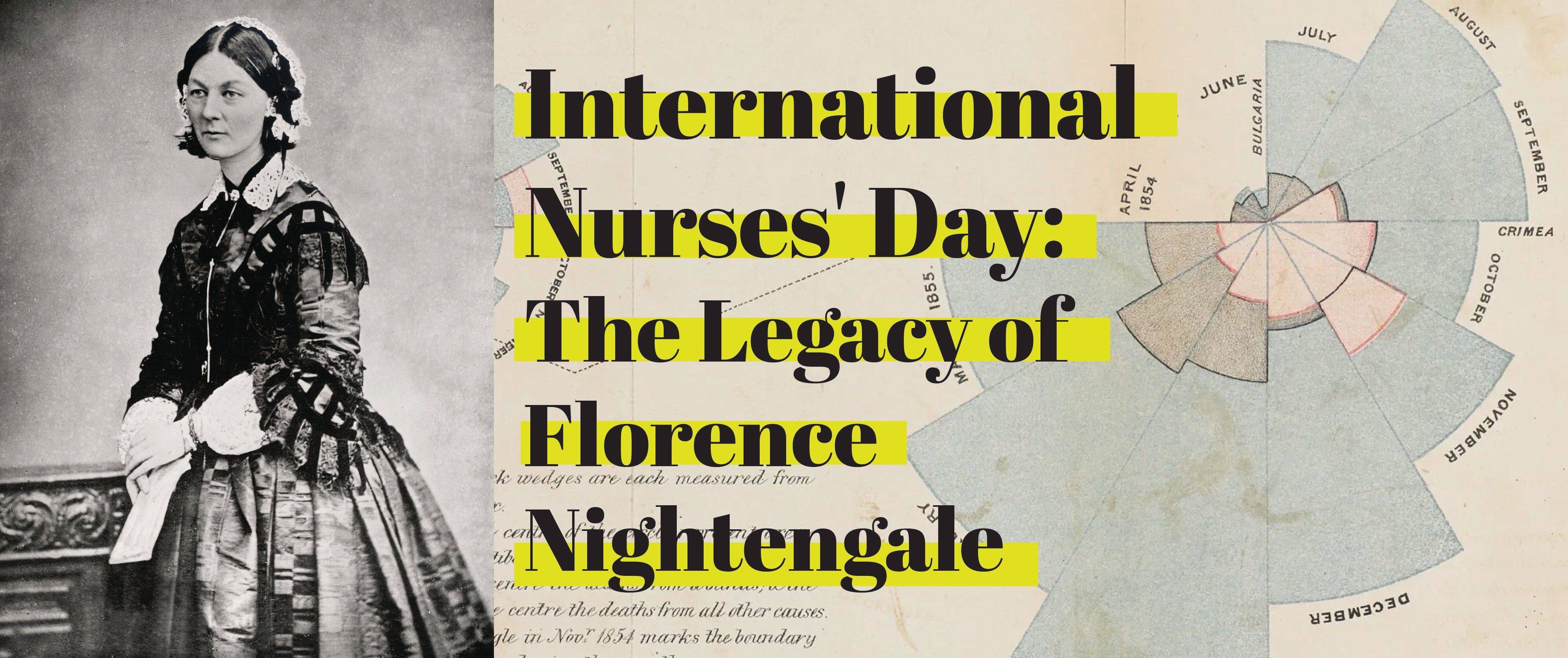
Today, May 12, 2026, the global healthcare community pauses to observe International Nurses’ Day. For those of us in the medical field, What we have is more than a date on a calendar; it is a recognition of the invisible scaffolding that holds every hospital, clinic, and community health center together. As a physician who spent years in internal medicine at Charité – Universitätsmedizin Berlin, I have seen firsthand that while doctors may diagnose and prescribe, it is the nurses who translate those plans into the lived experience of healing.
International Nurses’ Day is observed annually to honor the contributions of nurses to society and to advocate for the professional standards that ensure patient safety. This global observance coincides with the birth anniversary of Florence Nightingale, the woman whose rigorous approach to sanitation and data-driven care transformed nursing from a domestic chore into a respected scientific profession. Today, we celebrate not only the individuals in scrubs but the enduring legacy of a woman who proved that hygiene and observation are as critical to survival as any surgical intervention.
The scale of the nursing profession is staggering. According to the World Health Organization (WHO), nurses and midwives constitute the largest group of health workers globally, providing essential care in every setting from neonatal units to palliative care. In the United States, Registered Nurses (RNs) represent the largest single category of the healthcare workforce, though the profession currently faces a critical juncture as burnout and staffing shortages threaten the stability of patient care systems worldwide.
Florence Nightingale: The Architect of Modern Nursing
To understand the significance of International Nurses’ Day, one must look back to May 12, 1820, the birth of Florence Nightingale. While history often remembers her as “The Lady with the Lamp”—a romanticized image of a compassionate woman tending to wounded soldiers—her true contribution was far more systemic and analytical. Nightingale was a pioneer in the application of statistics to healthcare, using data to prove that the environment of a patient directly impacts their recovery rate.

During the Crimean War in the 1850s, Nightingale arrived at the Scutari hospital to find soldiers dying not just from battle wounds, but from preventable infectious diseases caused by filth and poor ventilation. By implementing strict sanitation protocols—cleaning the wards, improving sewage systems, and ensuring fresh air—she helped drastically reduce mortality rates. This shift toward evidence-based environmental care laid the groundwork for what we now call infection control, a cornerstone of modern hospital management.
Nightingale’s influence extended beyond the battlefield. In 1860, she established the Nightingale Training School for Nurses at St Thomas’ Hospital in London. This was a pivotal moment in medical history; it moved nursing education out of the realm of apprenticeship and into a structured, academic discipline. By professionalizing nursing, she ensured that caregivers were trained in anatomy, physiology, and hygiene, elevating the role of the nurse to a professional partner in the healthcare team.
Beyond the Lamp: Data and Evidence-Based Practice
One of the most overlooked aspects of Nightingale’s legacy is her mastery of statistics. She was one of the first people to use the “coxcomb” or polar area diagram to visually represent the causes of death in the military. This allowed her to communicate complex data to government officials who were not mathematically inclined, proving that more soldiers were dying from preventable diseases than from wounds sustained in combat.
This commitment to data is the ancestor of today’s evidence-based practice (EBP). In modern healthcare, EBP is the gold standard, requiring that clinical decisions be based on the best available research, clinical expertise, and patient preferences. When a modern nurse monitors a patient’s vitals to preemptively identify sepsis or manages a complex wound care protocol, they are practicing the very methodology Nightingale championed: the belief that meticulous observation and recorded data save lives.
The International Council of Nurses (ICN), which has coordinated International Nurses’ Day since 1965, continues to push this legacy forward. Each year, the ICN releases themes that address current global health challenges, urging governments to invest in nursing education and leadership to improve health outcomes for all.
The Modern Nursing Crisis: A Legacy Under Pressure
Despite the prestige of the profession, the global nursing workforce is under unprecedented strain. The legacy of Florence Nightingale—centered on the “calling” of nursing and selfless service—has sometimes been used to justify unsustainable workloads and systemic underfunding. In the wake of the global pandemic, the industry has seen a surge in burnout, leading to a widening gap between the demand for care and the available workforce.
The impact of this shortage is felt most acutely in patient-to-nurse ratios. Research consistently shows that when nurses are stretched too thin, patient mortality rates increase and the risk of medical errors rises. This is not a failure of the individual nurse, but a failure of the healthcare infrastructure. To honor Nightingale’s legacy today is not merely to thank nurses for their resilience, but to advocate for policy changes that protect their mental health and ensure safe staffing levels.
the role of the nurse has evolved far beyond the bedside. We now see the rise of Advanced Practice Registered Nurses (APRNs), including Nurse Practitioners and Nurse Anesthetists, who have the authority to diagnose and treat patients. This evolution reflects the academic rigor Nightingale envisioned, moving the profession toward a model of shared autonomy and expanded clinical leadership.
Looking Forward: The Evolution of Care
As we look toward the future of healthcare, the integration of technology and the “human touch” remains the primary challenge. From AI-driven patient monitoring to telehealth, the tools of nursing are changing. However, the core of the profession—the ability to provide holistic, compassionate care while maintaining clinical vigilance—cannot be automated.

For the next generation of nurses, the challenge will be to balance this technological integration with the advocacy roles that Nightingale pioneered. Nurses are often the first to notice a decline in a patient’s condition or a flaw in a hospital’s protocol. Their role as the primary advocate for the patient is perhaps the most vital component of the healthcare system.
To support this, there is a growing global movement toward “Magnet” status for hospitals—a designation that recognizes excellence in nursing practice and a commitment to professional development. By empowering nurses to lead research and participate in hospital governance, the healthcare system can move closer to the ideal of a truly collaborative care model.
- Professionalization: Nightingale transformed nursing from an unskilled job into a trained profession by founding the first formal nursing school in 1860.
- Sanitation: Her work in the Crimean War proved that hygiene and environmental controls drastically reduce mortality rates.
- Data-Driven Care: She pioneered the use of statistics and visual data (polar area diagrams) to influence public health policy.
- Global Observance: International Nurses’ Day is celebrated on May 12 to honor her birth and the essential role of nurses in global health.
- Current Challenge: The profession now faces a critical global shortage, requiring systemic investment to maintain patient safety.
As we conclude the celebrations for International Nurses’ Day 2026, the focus now shifts to the upcoming global health workforce summits, where the World Health Organization and member states are expected to review updated targets for nurse-to-patient ratios and educational subsidies to combat the global shortage.
To the nurses reading this: your expertise is the heartbeat of healthcare. Your patience, your precision, and your advocacy save lives every single hour. We owe you more than a day of recognition; we owe you a sustainable system that values your health as much as you value the health of your patients.
Do you have a story about a nurse who made a difference in your life or the life of a loved one? Share your experiences in the comments below or share this article to help us honor the profession.