
In the expansive landscape of modern open-world RPGs, the prevailing trend has been toward “infinite” exploration—worlds where players can wander for hundreds of hours without a hint of urgency. However, a new title is attempting to flip this script by introducing a high-stakes temporal constraint that transforms the typical exploration loop into a race against time.
The Blood of Dawnwalker, a dark fantasy action RPG, is positioning itself as a narrative sandbox where the primary antagonist isn’t just the monsters in the shadows, but the calendar itself. By integrating a strict time limit into its core progression, the game introduces a psychological layer of urgency—often described as a narrative form of “FOMO” (fear of missing out)—that forces players to make meaningful choices about how they spend every hour of gameplay.
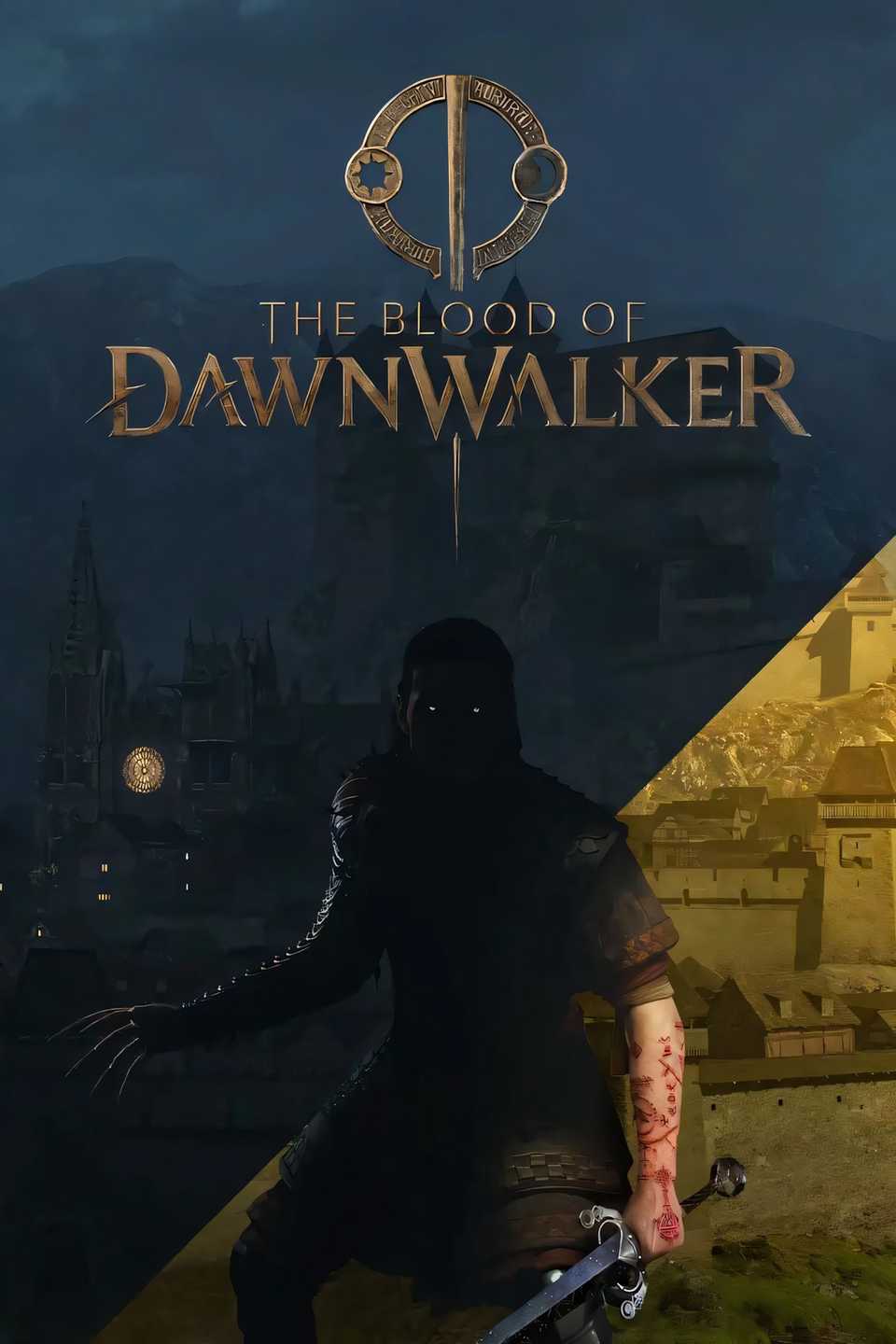
Set against the grim backdrop of 14th-century Europe, the game blends traditional RPG elements with a unique dual-identity mechanic. Players step into the role of Coen, a protagonist caught between two worlds: human by day and vampire by night. This duality is not merely cosmetic; it dictates how the world reacts to the player and how they must navigate the dangers of a plague-ridden, superstitious era.
A Dual Existence in 14th-Century Europe
The setting of The Blood of Dawnwalker is designed to evoke the oppressive atmosphere of the late Middle Ages. The 14th century was a period defined by upheaval, famine, and the Black Death, providing a naturally bleak canvas for a dark fantasy narrative. In this world, the boundary between folklore and reality is porous, and the player’s survival depends on mastering the shift between Coen’s two forms.

As a human during the daylight hours, Coen can interact with society, gather information, and navigate the world without immediately drawing the ire of vampire hunters or terrified peasants. However, the transition to night unlocks the vampire’s predatory capabilities. These powers are essential for combat and exploration but come with the inherent risks associated with being a creature of the night in a world that fears and hunts such beings.
This cycle creates a rhythmic gameplay loop. Players must plan their activities based on the clock, deciding which tasks require the social camouflage of humanity and which require the raw power of the vampire. This systemic approach to identity ensures that the environment remains a character in its own right, reacting dynamically to the time of day and the player’s current state.
The 30-Day Countdown: Narrative Urgency as Gameplay
The most provocative feature of The Blood of Dawnwalker is its “extreme” approach to time management. Unlike most sandbox games that allow players to complete every side quest and collectible at their own pace, this title imposes a rigid deadline: Coen has exactly 30 days to find a way to save his family. This mechanic is detailed on the official Blood of Dawnwalker website.
This 30-day limit fundamentally changes the player’s relationship with the open world. In a standard RPG, a side quest is often an optional diversion. In The Blood of Dawnwalker, every side quest is a gamble. Spending three days helping a village or hunting a specific beast might provide powerful gear or critical lore, but it permanently reduces the time remaining to achieve the primary goal of saving the protagonist’s family.
This design choice creates a genuine sense of tension. The “FOMO” element here is not about missing a limited-time digital item or a seasonal event, but about missing narrative opportunities. If a player spends too much time in one region, they may find that events in another part of the map have shifted, or that certain characters are no longer available to help. The game effectively forces the player to prioritize, mirroring the desperation of the story’s protagonist.
Sandbox Freedom vs. Temporal Constraints
Balancing a sandbox environment with a strict countdown is a difficult design challenge. To prevent the game from feeling like a linear corridor, the developers have implemented a narrative sandbox approach. In other words that while the deadline is fixed, the path taken to reach the resolution is open.
The interplay between the open world and the clock encourages multiple playthroughs. A player might spend their first run focusing entirely on the main objective, only to realize they missed vast swaths of the world’s lore and power-ups. A second run might see the player ignoring certain main-path distractions to dive deep into the vampire’s hidden abilities, potentially risking the family’s safety for the sake of power.
the time mechanic interacts with the day/night cycle to create a layered management system. Because certain events only happen at night and certain NPCs only appear during the day, players must optimize their 30-day window with precision. This adds a layer of strategic planning to the action-RPG formula, moving it closer to the “immersive sim” genre where player agency is defined by how they manipulate the game’s systems.
What This Means for the RPG Genre
The approach taken by The Blood of Dawnwalker reflects a growing interest in “meaningful failure” and consequence within gaming. For years, the industry has trended toward “fail-safe” designs where the player is guided toward a guaranteed positive outcome. By introducing a hard deadline, this game reintroduces the risk of failure as a core part of the experience.

For the global gaming community, this represents a shift toward more mature narrative structures. Instead of providing a checklist of tasks to be completed, the game asks the player: “What are you willing to sacrifice to save what matters most?” This psychological pressure transforms the act of exploration from a leisure activity into a tactical necessity.
As the game moves closer to its full release, the industry will be watching to see if this “extreme urgency” model resonates with players. While some may find the time limit stressful, others will likely appreciate the way it gives weight to every decision, ensuring that no single action feels inconsequential.
The next confirmed step for interested players is to monitor the official game portal for updated release dates and platform availability. As more details emerge regarding the specific consequences of the 30-day limit, the community will likely begin theorizing on the most efficient paths to victory.
Do you prefer open-world games that let you take your time, or do you enjoy the pressure of a ticking clock? Let us know in the comments below.