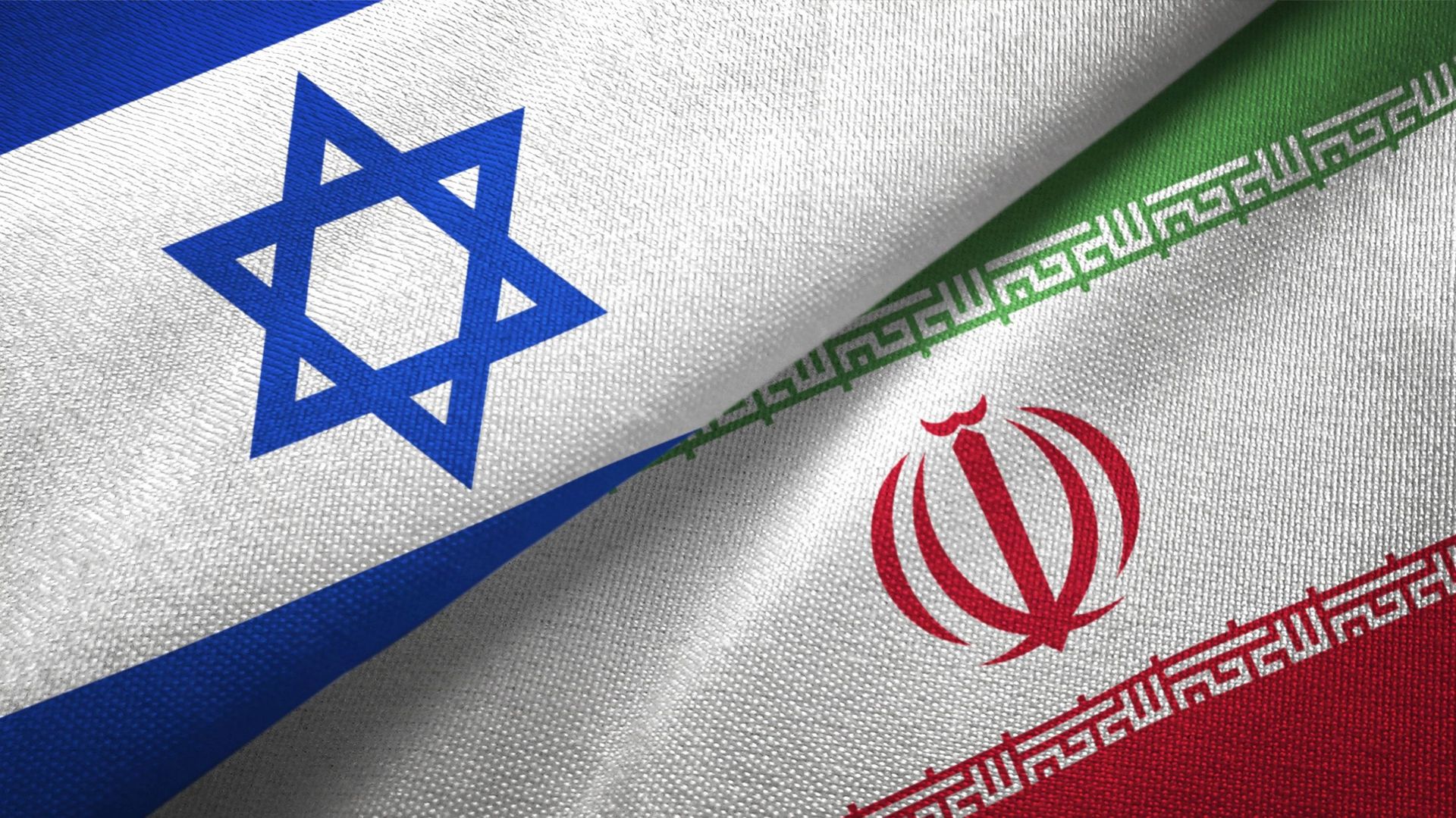
The escalating tensions between Israel and Iran, punctuated by recent exchanges, are rooted in a decades-long rivalry with complex geopolitical, religious, and strategic dimensions. While the current flare-up draws international concern, understanding its origins is crucial to grasping the potential for wider regional instability. The conflict isn’t simply a bilateral dispute; it’s interwoven with proxy conflicts, nuclear ambitions, and the broader struggle for influence in the Middle East.
At the heart of this rivalry lies a fundamental disagreement over regional order and ideological differences. Israel, established in 1948, has consistently viewed Iran’s pursuit of regional hegemony and its support for anti-Israel groups as an existential threat. Iran, for its part, sees Israel as an illegitimate state occupying Palestinian land and a key ally of the United States, which it views as its primary adversary. This foundational animosity has fueled a shadow war for years, fought through proxies and covert operations.
Historical Roots of the Conflict
The origins of the Israel-Iran rivalry can be traced back to the 1979 Islamic Revolution in Iran. Prior to the revolution, Iran under the Shah maintained covert, albeit limited, diplomatic and security ties with Israel, largely due to shared concerns about Arab nationalism and Soviet influence. However, the revolution dramatically altered this dynamic. Ayatollah Ruhollah Khomeini’s new regime adopted a staunchly anti-Israel stance, viewing the country as a symbol of Western imperialism and a key obstacle to the establishment of a pan-Islamic order. Jérémy Dieudonné, a PhD in International Relations from UCLouvain, highlights this shift as a pivotal moment in the relationship.
The Iran-Iraq War (1980-1988) further complicated the situation. Israel indirectly supported Iraq, providing it with intelligence and military assistance, to counter the revolutionary fervor emanating from Iran. This support, while discreet, deepened Iranian distrust of Israel. Following the war, Iran began to actively support Palestinian militant groups like Hamas and Hezbollah, providing them with funding, training, and weapons, further escalating tensions with Israel. These groups became key instruments in Iran’s strategy to challenge Israel’s security and undermine the peace process.
The Nuclear Question and Regional Power Dynamics
In recent decades, Iran’s nuclear program has develop into a central point of contention. Israel views Iran’s pursuit of nuclear capabilities as an unacceptable threat to its existence, arguing that a nuclear-armed Iran would destabilize the region and embolden its proxies. Israel has repeatedly stated that it will not allow Iran to acquire a nuclear weapon, and has hinted at military action if necessary. The Joint Comprehensive Plan of Action (JCPOA), also known as the Iran nuclear deal, signed in 2015, temporarily eased these concerns by imposing restrictions on Iran’s nuclear program in exchange for sanctions relief. However, the United States’ withdrawal from the JCPOA in 2018 under the Trump administration led to a resurgence of tensions, with Iran gradually rolling back its commitments under the agreement. Google Scholar data indicates that research related to Iranian foreign policy and nuclear programs has significantly increased since 2018.
Beyond the nuclear issue, the rivalry between Israel and Iran is also playing out in several regional conflicts. In Syria, both countries have been involved in the civil war, supporting opposing sides. Israel has conducted numerous airstrikes against Iranian and Hezbollah targets in Syria, aiming to prevent Iran from establishing a military foothold in the country. In Lebanon, Hezbollah, a powerful Shia militant group backed by Iran, remains a major political and military force, posing a constant challenge to Israel’s security. Yemen is another arena where the two countries are vying for influence, with Iran supporting the Houthi rebels and Israel backing the Saudi-led coalition.
Recent Escalations and Potential Scenarios
The recent exchange of attacks between Israel and Iran marks a significant escalation in their long-standing conflict. On April 1, 2024, an Israeli airstrike on the Iranian consulate in Damascus killed several Iranian military officials, including a senior commander of the Islamic Revolutionary Guard Corps (IRGC). Iran retaliated on April 13, launching a barrage of drones and missiles towards Israel. While most of the projectiles were intercepted by Israel’s air defense systems, with assistance from the United States, the UK, and Jordan, the attack demonstrated Iran’s willingness and capability to directly strike Israeli territory.
The current situation presents several potential scenarios. A further escalation could lead to a wider regional war, drawing in other actors such as the United States, Saudi Arabia, and Hezbollah. A miscalculation or unintended consequence could quickly spiral out of control. Alternatively, both sides may seek to de-escalate the situation through diplomatic channels, potentially mediated by international actors. However, given the deep-seated animosity and strategic interests at stake, a lasting resolution appears elusive in the near term. The Conversation features analysis from Jérémy Dieudonné, currently a lecturer and teaching assistant at UCLouvain Fucam Mons, who has extensively researched international relations in the region.
The Role of the United States
The United States plays a critical role in the Israel-Iran dynamic. Washington is Israel’s closest ally, providing it with significant military and economic assistance. The U.S. Also maintains a strong military presence in the region, aimed at deterring Iranian aggression and protecting its interests. The Biden administration has expressed its commitment to Israel’s security while also seeking to revive the JCPOA and prevent Iran from acquiring a nuclear weapon. However, the U.S. Faces a delicate balancing act, trying to de-escalate tensions while also maintaining its strategic partnerships in the region.
Impact on Global Energy Markets
The escalating tensions between Israel and Iran also have implications for global energy markets. Iran is a major oil producer, and any disruption to its oil exports could lead to a spike in prices. The Strait of Hormuz, a narrow waterway through which a significant portion of the world’s oil supply passes, is located near Iran and is vulnerable to potential disruption. A conflict in the region could therefore have a significant impact on global energy security and the world economy.
Looking Ahead
The Israel-Iran rivalry is a complex and deeply entrenched conflict with no easy solutions. Addressing the underlying causes of the conflict, including the nuclear issue, regional power dynamics, and ideological differences, will require sustained diplomatic efforts and a willingness from all parties to compromise. In the short term, de-escalation and restraint are crucial to prevent a wider regional war. The international community must work together to promote dialogue and identify a peaceful resolution to this dangerous and destabilizing conflict.
The next key development to watch will be the response from the Israeli government following Iran’s recent attacks. Discussions are ongoing regarding potential retaliatory measures, and the international community is urging restraint. Further updates on this situation will be closely monitored by the World Today Journal.
What are your thoughts on the evolving situation in the Middle East? Share your perspectives in the comments below, and please share this article with your network to promote informed discussion.
Keep reading