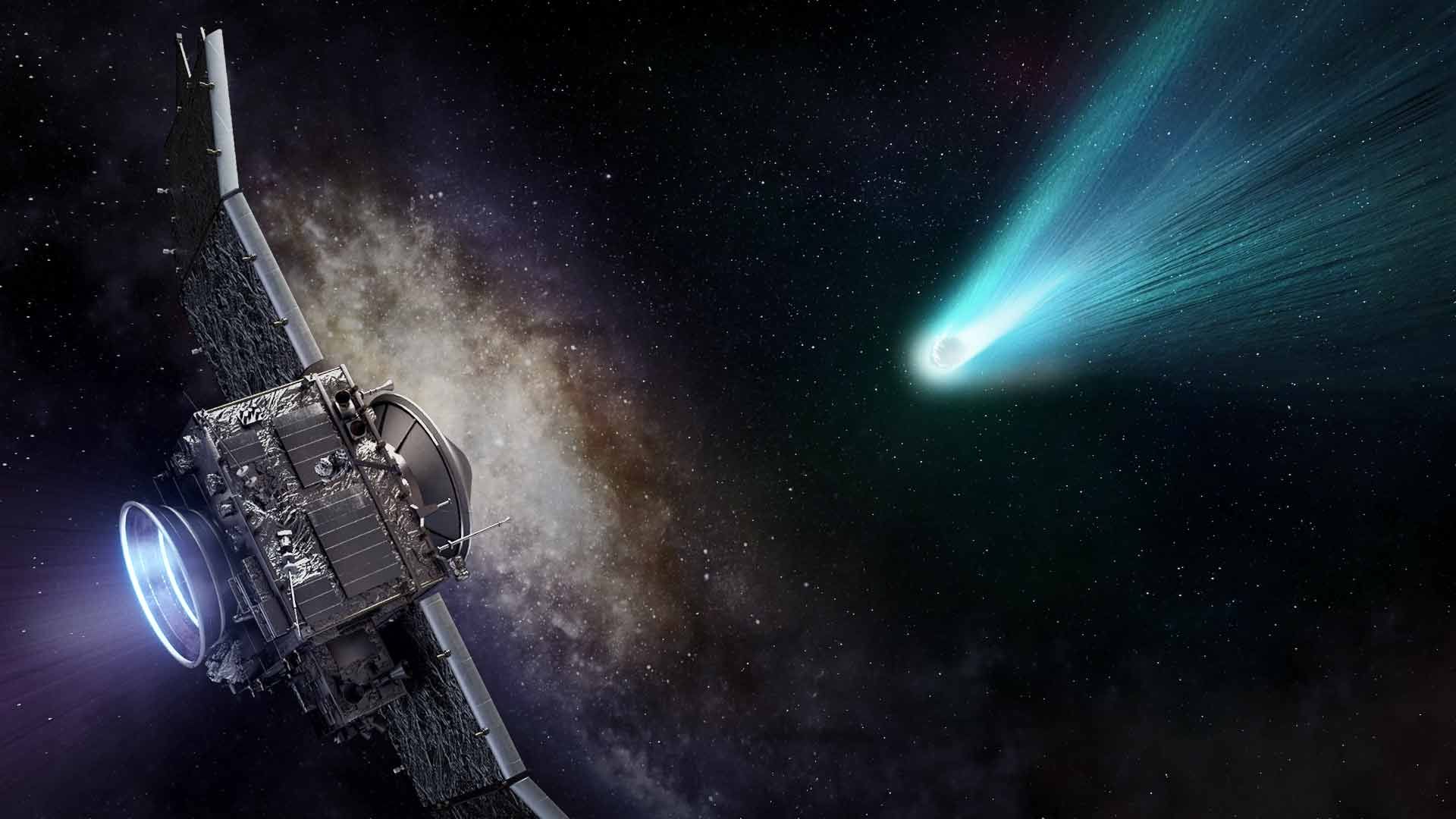
The Hunt for Interstellar Travelers: preparing for a Close Encounter with Objects From Other Stars
For decades, scientists have theorized about the existence of interstellar objects (ISOs) – space rocks and icy bodies originating outside our solar system. Recently, we’ve confirmed a handful of these cosmic visitors, sparking a thrilling new era in astronomy. But what happens when one of these interstellar travelers gets close enough for us to actually reach it?
The discovery of ISOs like ‘Oumuamua and 2I/Borisov opened our eyes to the possibility that our solar system isn’t isolated. These objects offer a unique window into the formation and composition of planetary systems around other stars. Now, the big question is: are we prepared for a closer look?
Why Interstellar Objects Matter to You
Understanding ISOs isn’t just about satisfying scientific curiosity. It’s about gaining insights into the building blocks of planets – including our own. These objects could hold clues to:
* The prevalence of life’s ingredients: ISOs might carry organic molecules, offering hints about the potential for life elsewhere in the galaxy.
* Planetary system formation: Studying their composition can reveal how planetary systems develop around other stars.
* The early solar system: ISOs can provide a comparative look at our own solar system’s origins.
The Challenge of Interception
Reaching an ISO is a monumental undertaking. These objects are typically discovered far from earth and move at incredibly high speeds. Successfully intercepting one requires careful planning and advanced technology. Here’s what scientists are considering:
* Comets vs. Asteroids: Comets, becoming more active as they approach the sun, present a more accessible chance for sample collection. They’re likely to be prioritized.
* Trajectory is Key: The closer an ISO’s path brings it to Earth, the easier – and less fuel-intensive – an interception mission becomes. Waiting for a favorably aligned target could be crucial.
* Early Detection is Paramount: The further away we spot an ISO, the more time we have to prepare a mission.
The Rubin Observatory: A Game Changer
Fortunately, we’re on the cusp of a revolution in ISO detection. The newly operational Vera C.Rubin Observatory, located in the Chilean Atacama desert, is poised to dramatically increase the number of ISOs we find.
This powerful telescope is designed to scan the sky repeatedly, spotting even faint and distant objects. You can expect a surge in ISO discoveries in the coming years, giving us more opportunities to study these interstellar wanderers. And, crucially, it will give us more time to prepare for a potential mission.
What would a Mission Look Like?
While no mission to an ISO is currently underway, concepts are being developed.A potential mission might involve:
- A fast-moving spacecraft: Capable of reaching the ISO’s high velocity.
- Advanced navigation systems: To accurately track and intercept the target.
- Sample collection mechanisms: To gather material from the ISO’s surface or coma (in the case of a comet).
- A return capsule: To safely bring the samples back to Earth for analysis.
The prospect of studying material from another star system is incredibly exciting. With new tools like the Vera C. rubin Observatory and ongoing technological advancements, the dream of intercepting an interstellar object is moving closer to reality. It’s a challenging endeavor, but the potential rewards – a deeper understanding of our place in the cosmos - are well worth the effort.